Understanding how to automate citations using AI offers a transformative approach to research and writing processes. Leveraging advanced technologies, individuals and organizations can significantly streamline their citation management, ensuring both efficiency and accuracy in scholarly and professional documents. This overview explores how AI-powered tools are revolutionizing traditional citation methods, highlighting their benefits and applications across various platforms.
This guide delves into the core technologies behind AI-driven citation automation, the workflows for seamless integration, and best practices for extracting, formatting, and managing citations. By examining current tools, challenges, and future trends, readers will gain comprehensive insights into harnessing AI to enhance their referencing systems effectively.
Overview of Automating Citations with AI
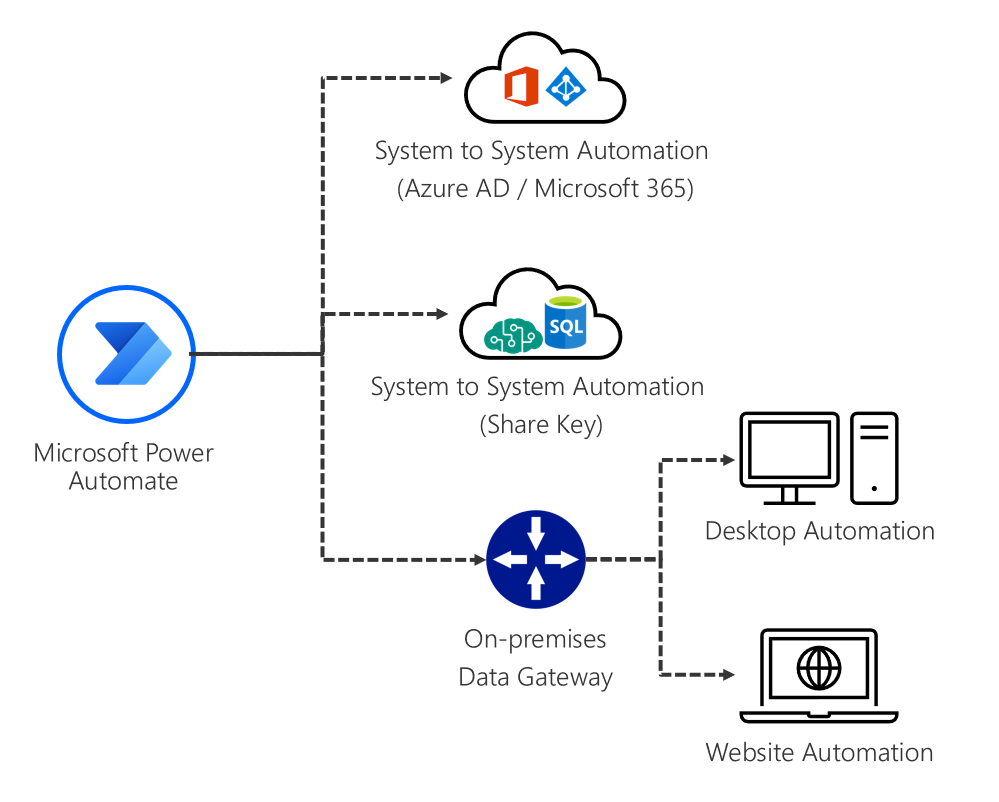
In academic and professional contexts, the accurate management of citations is fundamental to maintaining credibility, ensuring proper attribution, and facilitating seamless knowledge sharing. Traditionally, citation compilation and formatting have relied heavily on manual effort, which can be both time-consuming and prone to human error. With advancements in artificial intelligence (AI), automated citation tools have emerged as powerful solutions to streamline this essential process, transforming the way researchers, writers, and professionals handle references.
AI-driven citation automation leverages sophisticated algorithms and machine learning models to identify, extract, and format references from various sources efficiently. These tools can analyze documents, identify relevant bibliographic information, and generate correctly formatted citations in multiple styles such as APA, MLA, Chicago, and more. This integration of AI into citation management signifies a leap forward in reducing manual workload, enhancing accuracy, and ensuring consistency across documents.
Advantages of AI Tools for Citation Management
Implementing AI-based citation tools offers notable benefits that significantly impact productivity and reliability. These advantages include:
- Time Savings: AI automates the extraction and formatting process, allowing users to generate citations instantly rather than spending minutes or hours on manual formatting and verification.
- Enhanced Accuracy: By minimizing human intervention, AI reduces the likelihood of errors such as incorrect author names, publication dates, or formatting inconsistencies, which are common pitfalls in manual citation management.
- Consistency and Standardization: AI tools ensure adherence to varied citation styles uniformly across entire documents, supporting professional standards and academic integrity.
- Ease of Updating References: When sources are modified or new references added, AI tools can automatically update citations accordingly, maintaining coherence throughout the document.
- Integration and Compatibility: Many AI citation tools seamlessly connect with popular word processors, reference management software, and research databases, streamlining workflows and data synchronization.
Comparison Between Traditional and AI-Based Citation Methods
Understanding the differences between conventional manual citation processes and modern AI-powered automation highlights the transformative impact of technology in scholarly work.
| Aspect | Traditional Citation Methods | AI-Based Citation Automation |
|---|---|---|
| Process | Manual collection, formatting, and verification of references, often involving multiple steps and sources. | Automated extraction, formatting, and updating of citations using algorithms and machine learning models. |
| Time Investment | Significant, especially with large documents or numerous references; prone to delays and human fatigue. | Minimal, with instant generation and updates, freeing up valuable time for analysis and writing. |
| Accuracy | Dependent on user diligence; susceptible to typographical errors and formatting inconsistencies. | High, with error reduction through AI-driven validation and pattern recognition. |
| Consistency | Variable, depending on user attention and experience; can lead to style mismatches. | Consistent application of selected citation styles, ensuring uniformity across the document. |
| Scalability | Limited by manual effort; becomes increasingly challenging with larger projects. | Highly scalable; efficiently manages extensive references and complex documents. |
Overall, AI-based citation automation offers a compelling alternative to traditional methods, enabling researchers and professionals to allocate more time to content quality and analysis while relying on technology to uphold accuracy and consistency in referencing. The adoption of such tools is increasingly becoming a standard practice in academia and industry, reflecting the evolving landscape of digital scholarship.
Core Technologies Behind AI Citation Automation
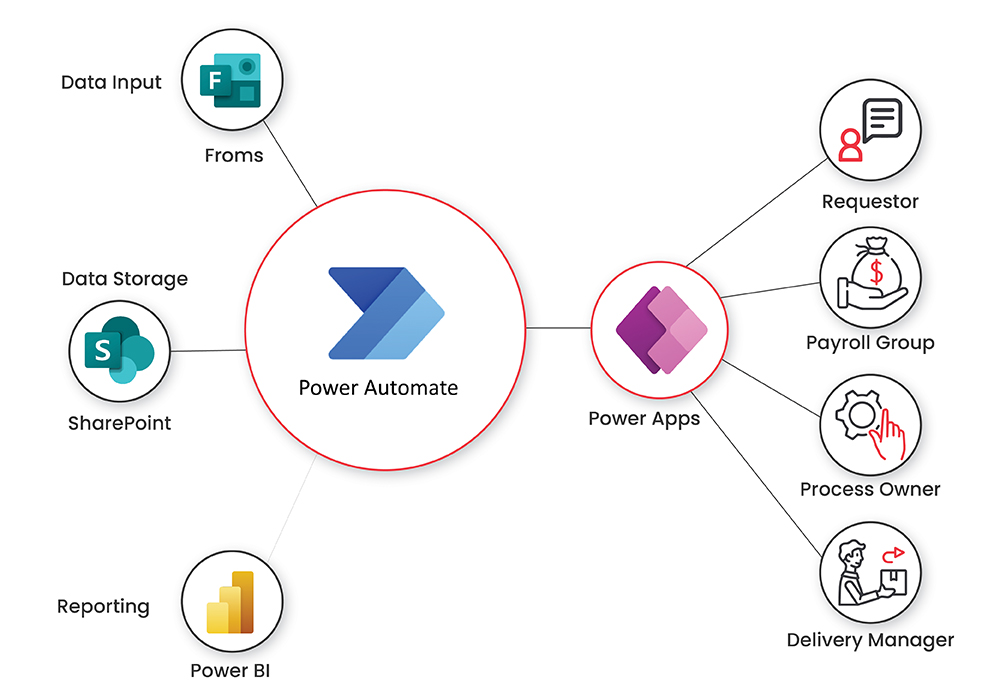
The effectiveness of AI-driven citation automation relies heavily on advanced technological frameworks, particularly artificial intelligence (AI) and machine learning (ML) models. These technologies enable systems to accurately extract, interpret, and format citations from vast and varied sources, streamlining academic writing and research processes. Understanding the core technological components provides insight into how these tools operate seamlessly and adapt to different citation standards and formats.
At the heart of AI citation automation are specialized models designed to process unstructured textual data, identify citation elements, and generate correctly formatted references. These models leverage natural language processing (NLP) techniques to comprehend context, recognize citation patterns, and differentiate between various source types such as books, journal articles, websites, and more. Continuous learning algorithms further enhance accuracy by adapting to new citation styles and data sources over time.
AI and Machine Learning Models for Citation Extraction and Formatting
The primary models employed in citation automation include Named Entity Recognition (NER), pattern recognition algorithms, and deep learning architectures. NER models are trained to identify and classify entities such as author names, publication dates, titles, and source URLs within academic texts. Pattern recognition algorithms detect common citation structures, enabling systems to parse references from diverse formats like APA, MLA, Chicago, or IEEE.
Deep learning models, especially those based on transformer architectures such as BERT (Bidirectional Encoder Representations from Transformers), have significantly improved the ability to understand context and disambiguate complex citation data.
Additionally, sequence-to-sequence models facilitate the transformation of raw citation data into correctly formatted references, ensuring compliance with desired citation styles. These models are trained on extensive datasets containing various citation examples, allowing them to generalize effectively across different sources and formats. The integration of these models results in automated systems that not only extract citation data accurately but also present it in a consistent, professional manner.
| Tool Name | Features | Supported Formats | User Accessibility |
|---|---|---|---|
| Citation Machine AI | Automated citation extraction, multiple style support, real-time formatting | APA, MLA, Chicago, IEEE, Vancouver | User-friendly web interface, API access for developers |
| RefMe AI | Source recognition, citation editing, university database integration | APA, Harvard, Vancouver, AMA | Mobile app, browser extension, API available |
| Zotero with AI Plugins | Reference management, automatic metadata extraction, citation generation | Various including Chicago, APA, MLA, IEEE | Desktop application, browser extension, cloud service |
| EndNote with AI Capabilities | Advanced sourcing, intelligent annotation, style customization | Over 6000 styles supported | Desktop, cloud-based platform, integration with word processors |
Key data sources and Application Programming Interfaces (APIs) underpin the operational capabilities of AI citation tools. These sources include digital repositories, scholarly databases, open citation data, and publisher APIs, which provide structured metadata essential for accurate extraction. Major APIs such as CrossRef, DataCite, and OpenCitations are integral for retrieving standardized bibliographic information. They facilitate real-time access to authoritative citation data, enabling AI systems to verify and enrich their extracted references.
Furthermore, integrating with repositories like PubMed, arXiv, or Google Scholar allows citation tools to access a wide array of research articles, ensuring comprehensive coverage and up-to-date references. These data sources, combined with robust APIs, empower AI systems to automate the citation process efficiently, reducing manual effort and enhancing accuracy across diverse research domains.
Workflow for Implementing AI to Automate Citations
Implementing AI tools to automate citation processes requires a systematic approach to ensure accuracy, efficiency, and seamless integration into existing research and writing workflows. This section provides a clear, step-by-step guide to facilitate the adoption of AI-driven citation automation, along with best practices for preparing source materials and a visual flowchart representation of the process to enhance understanding and implementation.Automating citations using AI involves multiple stages, from sourcing and preprocessing references to extracting citation data and formatting outputs.
Proper planning and adherence to best practices ensure that the AI systems perform optimally and produce trustworthy results, ultimately streamlining scholarly, academic, or research workflows.
Step-by-Step Procedures for Integrating AI Tools into Existing Workflows
- Identify Suitable AI Citation Tools: Begin by researching and selecting AI-powered citation management tools or APIs that align with your specific needs, such as compatibility with your preferred writing software or database integration capabilities.
- Assess and Prepare Source Materials: Gather all relevant sources, ensuring they are in accessible formats (e.g., PDFs, digital articles, database exports). Confirm that sources have complete metadata, including author names, publication dates, titles, and source URLs or DOIs.
- Preprocess Source Data: Standardize document formats, remove extraneous information, and ensure consistency across sources. Use OCR (Optical Character Recognition) for scanned documents if necessary, and verify metadata accuracy to improve AI extraction results.
- Configure AI Extraction Settings: Set up the AI tool with appropriate parameters, such as citation style preferences (APA, MLA, Chicago), extraction sensitivity, and source validation filters, to tailor outputs to your requirements.
- Input Sources into AI System: Upload documents or link to data sources within the AI tool, initiating the citation extraction process. For large datasets, consider batch processing capabilities to enhance efficiency.
- Review and Validate Extracted Citations: Examine the AI-generated citations for accuracy and completeness. Correct any discrepancies manually or adjust AI parameters to improve future extractions.
- Integrate Citations into Document Workflow: Use plugins, APIs, or export functions to embed the properly formatted citations directly into your manuscript, reference manager, or publication platform.
- Maintain and Update AI Tools: Regularly update AI software for improved performance and compliance with citation style updates. Keep source data and metadata current to ensure ongoing accuracy.
Best Practices for Preparing Documents and Sources for AI-Assisted Citation Extraction
Effective preparation of source materials is essential for maximizing the accuracy and efficiency of AI citation automation. The following practices are recommended to ensure high-quality input data:
- Ensure Complete Metadata: Sources should include comprehensive information such as author names, publication dates, article titles, journal or publisher details, and persistent identifiers like DOIs or URLs.
- Use Consistent Formatting: Standardize document formats, preferably in machine-readable formats like plain text, PDF with embedded metadata, or XML, to facilitate accurate extraction.
- Eliminate Redundancies and Errors: Remove duplicate entries and correct typographical or formatting mistakes in source documents before inputting into AI systems.
- Segment Large Documents: Break down lengthy documents into smaller sections if necessary, allowing the AI to focus on relevant portions and reducing extraction errors.
- Maintain Source Integrity: Avoid modifying source content excessively, as it can affect the AI’s ability to accurately identify citation details.
- Verify Source Accessibility: Ensure all sources are accessible and properly linked, especially when relying on URLs or digital repositories, to allow AI tools to validate and cross-reference data effectively.
Flowchart Illustration of the Citation Automation Process
The process of transforming source input into formatted citations via AI typically follows a logical sequence, which can be visualized as a flowchart:
Start → Source Collection and Preparation → Upload to AI Tool → Metadata Extraction and Processing → Validation and Correction → Citation Formatting and Export → Integration into Document → Review and Finalization → End
In this flowchart, the initial source collection phase emphasizes the importance of quality and consistency in input data. Uploading sources initiates the AI extraction process, where advanced algorithms identify citation components such as authors, titles, and publication details. The extracted data undergoes validation, either automatically or manually, to ensure accuracy. Once validated, the AI formats the citations according to the desired style guide, enabling seamless integration into scholarly documents.
The process concludes with a review stage, allowing final adjustments before publication or submission. This clear workflow ensures efficient and reliable citation automation leveraging AI technology.
Methods for Extracting Citations Using AI
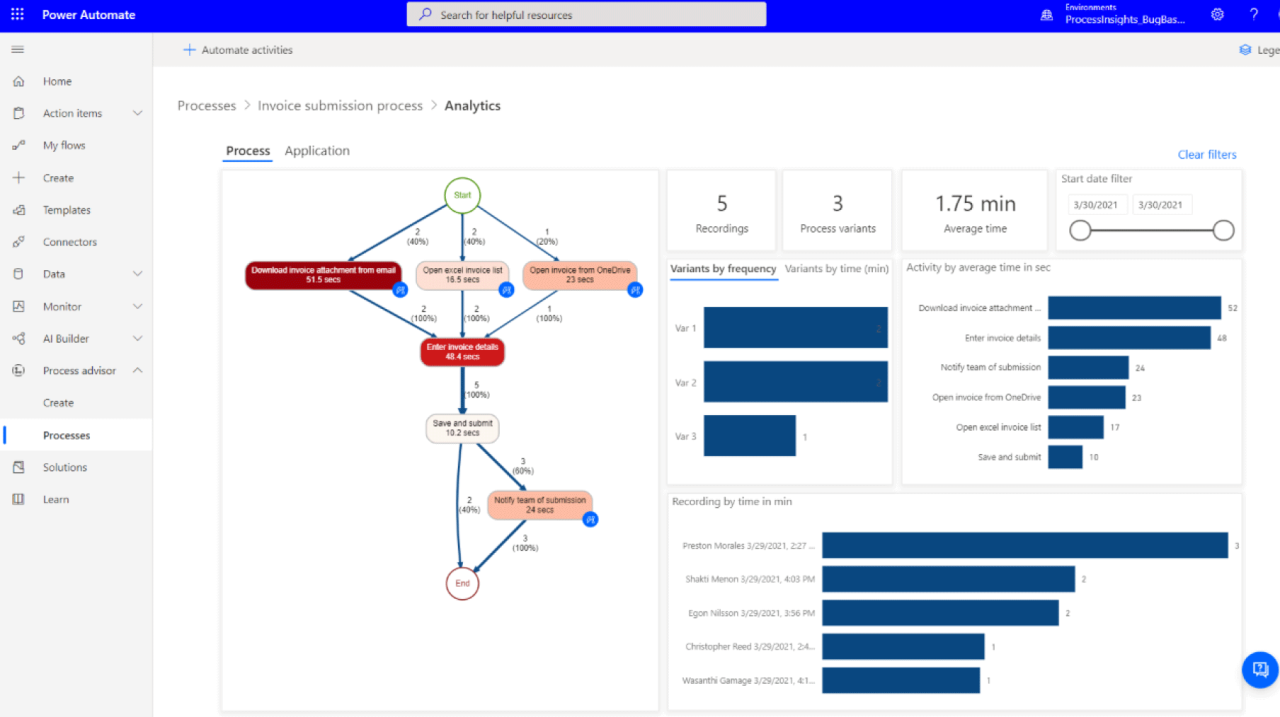
Effective extraction of citation data from diverse sources is foundational to automating bibliographic references with artificial intelligence. AI-driven methods enable rapid, accurate identification and retrieval of citation information from formats such as PDFs, webpages, and text documents. These techniques streamline the process of organizing scholarly references, ensuring data quality, and reducing manual effort.
Implementing robust AI-based extraction methods involves deploying specialized algorithms tailored to handle the unique structural characteristics of each source type. These methods focus on recognizing citation patterns, extracting relevant metadata, and preparing data for subsequent validation and organization. Understanding the strengths and limitations of different extraction techniques ensures optimal performance across various source formats.
Extraction Techniques and Source Suitability
Table 1 below illustrates different AI extraction methods and specifies their suitability for particular source formats, along with real-world examples where applicable.
| Extraction Method | Suitable Source Types | Explanation and Examples |
|---|---|---|
| Optical Character Recognition (OCR) | Scanned PDFs, Images | OCR converts visual representations of text within scanned documents or images into machine-readable data. For instance, digitizing scholarly articles from scanned copies or historical documents requires OCR to extract citation details embedded in image-based formats. |
| Pattern Matching and Regular Expressions | Text Documents, HTML Webpages | Pattern matching searches for specific citation formats such as APA, MLA, or numbered references. For example, extracting references from HTML pages of academic repositories by identifying patterns like “[Author, Year]” or “…“. |
| Named Entity Recognition (NER) | Full-text PDFs, Webpages | NER algorithms identify and classify entities such as authors, titles, publication venues, and dates within unstructured text. Applied to research articles, NER helps isolate key citation components regardless of formatting variations. |
| Semantic Parsing and Machine Learning Models | Various Text Formats | Advanced models understand contextual citation mentions within texts, enabling extraction even when citations are embedded in complex sentences. For instance, extracting in-text citations like “Smith et al. (2020) demonstrated…” across diverse documents. |
| HTML Parsing and Web Scraping | Webpages, Online Databases | Automated web scraping tools extract citations embedded in web pages, utilizing DOM traversal or XPath queries. Used extensively for harvesting references from online repositories like PubMed or Google Scholar. |
After extraction, data cleaning and validation are critical processes to ensure citation accuracy. These procedures involve removing duplicates, correcting formatting inconsistencies, and verifying metadata against authoritative sources. Techniques such as cross-referencing with digital object identifiers (DOIs) or using external databases like CrossRef enhance the reliability of the extracted citations. Additionally, employing heuristic rules and machine learning classifiers can flag anomalies and incomplete data, guiding manual review where necessary.
Together, these methods establish a robust foundation for accurate, automated citation management.
Formatting and Generating Citations Automatically
Automating the formatting and generation of citations is a critical aspect of AI-driven reference management. Once raw citation data has been extracted, AI tools can transform this information into properly formatted references across various citation styles, streamlining the scholarly writing process. This functionality not only enhances efficiency but also minimizes human error, ensuring consistency and adherence to institutional standards.AI algorithms utilize pattern recognition, linguistic processing, and predefined style rules to convert raw data—such as author names, publication years, titles, and sources—into well-structured citations.
By leveraging extensive style databases, these algorithms can accurately adapt citations to formats like APA, MLA, Chicago, and others, accommodating the subtle nuances and specific requirements of each style. This process often involves parsing the raw data, applying style-specific formatting rules, and outputting the citation in the desired style.
Converting Raw Citation Data into Multiple Referencing Styles
Converting raw citation data into multiple referencing styles involves several steps within AI systems:
- Data Parsing: The AI first identifies key components such as authors, publication date, title, journal/source, volume, pages, and DOI or URL.
- Style Rules Application: The AI applies style-specific templates, which dictate the order, punctuation, italics, and other formatting details.
- Output Generation: The system produces a formatted citation that adheres to the selected style guidelines, ready for insertion into documents.
Modern AI tools often come with built-in libraries or modules that contain comprehensive style templates, allowing for quick and accurate conversions. For example, converting a raw dataset like:
Author: Jane Doe; Year: 2020; Title: “Innovations in AI”; Source: Journal of AI Research; Volume: 15; Pages: 102-110
to APA style yields: Doe, J. (2020). Innovations in AI. Journal of AI Research, 15, 102-110.Similarly, the same data in MLA format would be: Doe, Jane. “Innovations in AI.” Journal of AI Research, vol. 15, 2020, pp. 102-110.
Customizing Citation Styles for Institutional Requirements
Institutional requirements often demand specific citation formats or variations, necessitating customization within AI tools. Most AI citation generators allow users to modify style templates or create custom styles to meet these specifications.This customization process involves:
- Accessing the style configuration options in the AI tool or platform.
- Modifying existing templates to include or exclude certain elements, such as the inclusion of DOI, URLs, or specific punctuation.
- Saving custom styles for future use, ensuring consistency across all citations in a document or project.
- Applying these custom styles during citation generation to automatically produce references that align with institutional or publisher guidelines.
Additionally, some AI tools offer the ability to import style files from official style repositories or to define rules manually, providing flexibility for unique or complex formatting standards. This ensures that academic institutions, publishers, or organizations can enforce their specific citation protocols seamlessly within automated workflows.
Creating a Sample Citation Table in HTML
To illustrate the practical application of automated citation formatting, consider a simple HTML table that displays four key elements of a citation: Author, Year, Title, and Source. This formatted table serves as a clear, organized way to present bibliographic information, which can be generated automatically by AI tools once data is processed.
| Author | Year | Title | Source |
|---|---|---|---|
| Jane Doe | 2020 | Innovations in AI | Journal of AI Research |
| John Smith | 2018 | Deep Learning Advances | International Journal of Machine Learning |
| Emily Johnson | 2019 | Natural Language Processing Trends | Computational Linguistics Review |
| Michael Lee | 2021 | Data Science Methodologies | Data Analytics Journal |
This table format not only simplifies citation management but also aids in verifying data accuracy and consistency. When integrated with AI citation tools, such tables can be generated dynamically, reflecting the latest bibliographic entries and styled according to preferred citation standards, thereby facilitating efficient academic and professional writing workflows.
Enhancing Citation Management with AI
Effective citation management is essential for maintaining the integrity, accuracy, and efficiency of scholarly work. AI-driven tools have revolutionized this process by enabling researchers and academics to organize, update, and share vast collections of citations seamlessly. Leveraging advanced algorithms and intelligent databases, AI enhances collaboration, reduces manual effort, and ensures citation collections remain current and well-annotated, fostering a more productive scholarly environment.
By integrating AI into citation management workflows, users can handle large volumes of references with greater speed and precision. These tools not only facilitate organization but also support dynamic updating, collaborative annotations, and streamlined sharing, which are critical for multidisciplinary research and large-scale projects. The following sections explore methods, procedures, and platforms that exemplify how AI enhances the management of citations in modern scholarly activities.
Methods for Organizing Large Volumes of Citations Using AI-Driven Databases and Bibliographic Managers
Organizing extensive citation collections requires intelligent systems capable of categorization, tagging, and retrieval. AI-powered bibliographic managers utilize machine learning algorithms to classify references based on topics, authors, publication years, or s, making large datasets more manageable. These systems can automatically detect duplicates, flag inconsistent entries, and suggest relevant tags to improve navigation.
For example, platforms like Zotero and Mendeley have integrated AI functionalities that analyze citation metadata to recommend related articles or suggest relevant categorization. Artificial intelligence also enables automatic grouping of references into thematic clusters, assisting researchers in identifying key areas within their collections without manual sorting. These methods significantly reduce the time spent on organizing and facilitate quick access to pertinent references during writing or review processes.
Procedures for Updating, Annotating, and Sharing Citation Collections with AI Tools
Maintaining current and enriched citation collections involves systematic updating, annotation, and collaboration—tasks increasingly supported by AI-enhanced tools. Automated updating procedures use AI algorithms to scan academic databases, journal feeds, and repositories to identify new publications relevant to existing collections. This ensures the repository remains comprehensive and up-to-date with the latest research developments.
Annotation functionalities powered by AI allow users to add notes, highlight key findings, and attach comments directly to references. Some platforms utilize natural language processing (NLP) to generate summaries or extract key points from the associated documents, streamlining the annotation process. Sharing collections becomes more efficient when AI tools facilitate real-time collaboration, version control, and permissions management. Platforms like Paperpile and RefWorks support collaborative workflows, enabling multiple users to comment, annotate, and update shared citation libraries seamlessly, fostering teamwork and knowledge exchange.
“AI-powered citation management transforms traditional reference handling into an interactive, collaborative, and highly efficient process, empowering researchers to focus more on content creation and less on administrative tasks.”
Challenges and Limitations of AI Citation Automation
While AI-driven citation automation offers significant efficiencies and accuracy improvements, it is essential to recognize the inherent challenges and limitations that can impact its effectiveness. Understanding these issues enables developers and users to implement best practices to mitigate errors, ensure source integrity, and uphold ethical standards in scholarly and professional work.
Common obstacles in AI citation automation include inaccuracies in data extraction, formatting inconsistencies, and ambiguities in source identification. Addressing these issues requires a combination of technical refinement, robust troubleshooting strategies, and ethical vigilance to maintain trustworthiness and reliability of generated citations.
Inaccurate Data Extraction and Source Ambiguity
One of the primary challenges faced by AI systems in citation automation is the potential for incorrect extraction of bibliographic data. This can stem from poor-quality source material, inconsistent formatting across sources, or complex document layouts that confuse parsing algorithms. When data such as author names, publication dates, or titles are incorrectly extracted, the resulting citations can lead to misattribution, negatively impacting academic credibility.
Source ambiguity often arises when multiple sources share similar titles or author names, or when digital identifiers like DOIs are missing or incorrectly linked. AI systems might struggle to distinguish between these similar sources, leading to incorrect citations or duplicate entries. This problem is particularly prevalent in fields with high publication volumes or in cases where outdated or incomplete metadata is used.
To troubleshoot these issues, implementing advanced natural language processing (NLP) techniques that incorporate contextual understanding can improve extraction accuracy. Regularly updating databases with verified metadata and employing cross-referencing with authoritative sources also minimizes ambiguity and enhances source identification reliability.
Formatting Errors and Standardization Challenges
Formatting inconsistencies are common obstacles for AI citation systems, especially when sources deviate from standard citation styles or contain unconventional formatting elements. These discrepancies can cause generated citations to fail validation checks or appear inconsistent within a bibliographic list, undermining professionalism and adherence to style guides such as APA, MLA, or Chicago.
Misformatted citations may include incorrect order of elements, improper punctuation, or omitted information, which can sometimes be subtle but impactful. AI models trained on limited style variations might not handle every formatting nuance, leading to errors that require manual correction.
Best practices involve integrating comprehensive style guides into AI systems and enabling flexible formatting algorithms that adapt to source-specific requirements. Periodic quality checks and user feedback loops can help identify common formatting errors, allowing iterative improvements to the system’s accuracy and consistency.
Ethical Considerations and Source Integrity
Automating citations with AI introduces ethical considerations related to the integrity of sources and the potential for misinformation. An AI system that inadvertently cites unreliable or non-credible sources compromises the trustworthiness of the work and may propagate false or biased information.
Additionally, there is a risk of over-reliance on automated systems to the detriment of critical evaluation. Users might accept generated citations without verifying source authenticity, which can lead to unintentional plagiarism or citation of outdated or manipulated sources.
To address these concerns, it is crucial to implement validation protocols that include manual review processes, especially for high-stakes applications. Transparency regarding source quality and provenance, alongside adherence to ethical guidelines for scholarly work, helps maintain source integrity. Developers should also prioritize training AI models on reputable, peer-reviewed sources and incorporate mechanisms to flag questionable references for human assessment.
Future Trends in AI for Citation Automation
The evolving landscape of artificial intelligence promises significant advancements in how citations are generated, managed, and integrated within scholarly and professional research workflows. As technologies continue to mature, they will profoundly influence citation practices, enhancing accuracy, efficiency, and interoperability across various research platforms. Staying ahead of these trends is essential for researchers, institutions, and developers aiming to leverage AI for optimal citation management.
Emerging innovations such as advanced natural language processing (NLP) techniques and deep learning models are at the forefront of transforming citation automation. These technologies not only improve the precision of citation extraction but also enable seamless integration with broader research management ecosystems. As AI systems become more sophisticated, they will increasingly shape the future landscape of academic and professional research, fostering smarter, more connected, and more reliable citation practices.
Advancements in Natural Language Processing and Deep Learning
Recent strides in NLP and deep learning are revolutionizing the way AI understands, interprets, and processes complex textual information. These advancements facilitate more accurate extraction of citations from diverse document formats, including PDFs, web pages, and multimedia content. Cutting-edge models like transformers, exemplified by architectures such as BERT and GPT, are capable of contextual understanding, allowing AI to discern citation references even in ambiguous or poorly formatted texts.
Furthermore, continuous improvements in language models enable AI to comprehend nuanced scholarly language, thereby reducing errors in citation identification and formatting. These technologies can also adapt to evolving citation standards and diverse disciplinary terminologies, ensuring that the automation process remains robust and reliable across various academic fields.
Integration of AI Citation Tools with Research Management Systems
Looking ahead, AI citation tools are expected to be increasingly integrated into comprehensive research management systems, such as reference managers, digital libraries, and institutional repositories. This integration allows for real-time citation tracking, automated bibliography updates, and streamlined manuscript preparation processes. Such synergy enhances user experience by reducing manual effort and minimizing errors associated with citation management.
Advanced APIs and interoperable data formats like JSON-LD and RDF will facilitate seamless data exchange between AI citation engines and broader research ecosystems. This interconnectedness supports functions like cross-referencing, impact analysis, and compliance with publisher-specific citation standards, ultimately fostering a more cohesive scholarly communication environment.
Predictions on the Impact of AI on Citation Practices
AI is poised to fundamentally alter citation practices by providing more intelligent, context-aware, and automated support. In academic settings, AI-driven citation management can lead to faster manuscript preparation, improved accuracy, and enhanced compliance with citation standards. This will allow researchers to focus more on content quality while trusting AI to handle technical details.
In professional fields, such as patent law or policy research, AI-enabled citation tools will facilitate quicker identification of relevant precedents and references, thereby accelerating decision-making processes. Moreover, as AI systems learn from vast datasets, they will be capable of suggesting citations that a human researcher might overlook, enriching the comprehensiveness and diversity of referenced sources. Over time, these advancements are expected to foster more transparent, standardized, and reproducible citation practices across disciplines, ultimately elevating the quality and credibility of scholarly work.
Concluding Remarks
In summary, automating citations using AI presents a valuable advancement in research and writing, offering increased speed, accuracy, and ease of management. As technology continues to evolve, embracing these tools will be essential for staying efficient and maintaining high standards of scholarly integrity. The future of AI in citation automation promises even greater integration and capabilities, transforming how we handle references in academic and professional environments.