Discover how integrating artificial intelligence into reading practices can revolutionize the way we understand and retain information. As technology advances, AI offers innovative tools and methodologies that personalize and enhance reading experiences, making comprehension more effective and engaging for learners of all levels. This overview explores the evolving role of AI in education and its significant impact on reading skills development.
Through tailored exercises, adaptive programs, and advanced platforms, AI empowers users to develop stronger comprehension strategies. By leveraging these intelligent tools, learners can set targeted goals, monitor their progress, and engage interactively with content. The integration of AI in reading education not only facilitates improved understanding but also opens new horizons for personalized learning experiences.
Overview of AI’s Role in Enhancing Reading Comprehension
Artificial Intelligence (AI) has rapidly transformed various educational practices, offering innovative tools that significantly enhance reading comprehension skills. By integrating AI into reading activities, educators and learners can experience personalized, adaptive, and interactive learning environments that cater to individual needs. This technological advancement not only facilitates better understanding and retention of information but also makes the process of learning more engaging and effective.
AI’s evolution in educational contexts has been marked by the development of sophisticated algorithms capable of analyzing text, providing tailored feedback, and adapting content to suit different proficiency levels. From early literacy programs to advanced reading comprehension platforms, AI continues to expand its influence, supporting diverse learning styles and fostering independent learning. The integration of AI tools has proven particularly beneficial in overcoming common challenges faced by learners, such as difficulties in understanding complex texts or maintaining motivation over extended reading sessions.
Integration of AI into Reading Practice
Incorporating AI into reading practice involves utilizing specialized software and applications designed to analyze, assess, and enhance a learner’s reading capabilities. These tools often employ natural language processing (NLP) to interpret text and provide real-time insights into comprehension levels. For example, AI-powered reading platforms can offer interactive exercises, vocabulary support, and contextual hints that adapt dynamically based on the learner’s performance.
Furthermore, AI integration extends to personalized learning pathways, where algorithms customize reading materials and activities to match the learner’s current skill level and learning pace. This targeted approach helps in addressing individual weaknesses, reinforcing strengths, and gradually increasing complexity to build confidence and competence.
Benefits of Using AI Tools to Improve Understanding and Retention
The deployment of AI tools in reading education presents numerous advantages that directly impact understanding and memory retention. These benefits include:
- Personalized Learning Experiences: AI systems analyze user interactions to tailor content, ensuring that learners focus on areas requiring improvement while avoiding redundancy.
- Immediate Feedback and Support: Real-time assessments enable learners to identify errors and misconceptions instantaneously, facilitating prompt correction and deeper understanding.
- Enhanced Engagement: Interactive features such as gamification, quizzes, and multimedia integration increase motivation and sustain interest during reading sessions.
- Data-Driven Insights: Educators can access detailed analytics to monitor progress, identify patterns, and adjust teaching strategies accordingly, leading to more effective instructional methods.
- Support for Diverse Learners: AI tools are particularly beneficial for learners with special needs or language barriers by offering customized scaffolding and language support mechanisms.
Evolution of AI Technologies in Educational Contexts
The journey of AI in education reflects a continual progression from simple rule-based systems to complex, machine learning-driven platforms. Early implementations focused on basic vocabulary drills and grammar exercises, often using static content. Over time, advances in natural language processing and machine learning algorithms have enabled AI to interpret contextual meaning, adapt content dynamically, and simulate human-like interactions.
Recent developments include AI tutors that can hold conversations, provide nuanced feedback, and facilitate autonomous learning. Additionally, adaptive reading comprehension platforms now employ deep learning models to analyze large datasets, predict learner difficulties, and recommend tailored content. These innovations have led to more inclusive and effective educational environments, where technology acts as a personalized coach guiding learners through increasingly complex texts and comprehension challenges.
As AI continues to evolve, its role in enhancing reading proficiency is expected to expand further, integrating more sophisticated tools that blend cognitive science with cutting-edge technology for optimal learning outcomes.
AI-Powered Techniques for Improving Reading Skills
Harnessing artificial intelligence to enhance reading comprehension involves deploying innovative methods tailored to individual learning needs. By leveraging AI-driven tools and techniques, learners can experience personalized exercises that adapt to their unique strengths and areas for improvement, making the process of mastering reading skills more efficient, engaging, and effective.
These techniques focus on customizing content delivery, providing immediate feedback, and employing strategic comprehension exercises that evolve based on user performance. Such approaches ensure that learners are actively engaged, receive targeted support, and develop strong reading strategies aligned with their specific goals.
Employing AI-Driven Personalized Reading Exercises
Personalized reading exercises are essential for catering to diverse learning paces and styles. AI algorithms analyze individual reading patterns, comprehension levels, and response accuracy to generate tailored exercises that challenge learners appropriately without causing frustration. These exercises can include adaptive vocabulary tasks, context-based comprehension questions, and interactive storytelling activities designed to build specific language skills.
For example, an AI system might identify that a learner struggles with inferencing in texts and then automatically prioritize exercises that focus on drawing conclusions from context clues. The personalization process ensures that each user receives relevant, targeted practice, increasing the likelihood of improvement and retention.
Designing Adaptive Reading Programs: A Step-by-Step Guide
- Assessment of Baseline Skills: Begin with a comprehensive evaluation of the learner’s current reading proficiency through AI-enabled assessments that measure vocabulary, fluency, and comprehension levels.
- Setting Customized Goals: Based on assessment results, define clear, achievable objectives tailored to the learner’s needs, such as improving vocabulary, understanding main ideas, or enhancing inference skills.
- Developing Content and Exercises: Use AI algorithms to select or generate suitable texts and exercises that align with the learner’s goals, ensuring a progressive increase in difficulty to foster growth.
- Implementing Real-Time Feedback: Incorporate AI-driven feedback mechanisms that provide instant insights into performance, highlighting strengths and identifying areas for improvement.
- Adjusting the Program Dynamically: Continuously monitor learner progress through ongoing assessments and modify the difficulty level, content focus, and exercise types accordingly to maintain an optimal challenge level.
- Reviewing and Reinforcing Skills: Schedule periodic reviews of previously covered material to reinforce learning and ensure retention, utilizing AI to identify concepts needing further reinforcement.
This structured approach ensures that reading programs remain flexible, personalized, and responsive to each learner’s evolving needs, ultimately fostering sustained improvement in comprehension abilities.
Examples of AI Applications Highlighting Key Comprehension Strategies
Numerous AI applications demonstrate innovative ways to enhance reading comprehension by emphasizing specific strategies such as prediction, summarization, and critical analysis. These tools typically incorporate features that guide users through active reading processes, making abstract strategies tangible and accessible.
For instance, AI-powered platforms like ReadTheory utilize adaptive quizzes that encourage learners to make predictions about upcoming content, fostering anticipation and engagement. Similarly, applications such as Squirrel AI offer intelligent tutoring that guides students in summarizing texts and identifying main ideas, reinforcing comprehension strategies through scaffolded prompts.
Another example is Grammarly’s AI-driven writing assistant, which helps learners analyze their reading and writing coherence by highlighting logical flow and suggesting improvements. These applications exemplify how AI can embed key comprehension strategies into interactive activities, supporting learners in developing deeper understanding and critical thinking skills.
Tools and Platforms Leveraging AI for Reading Enhancement
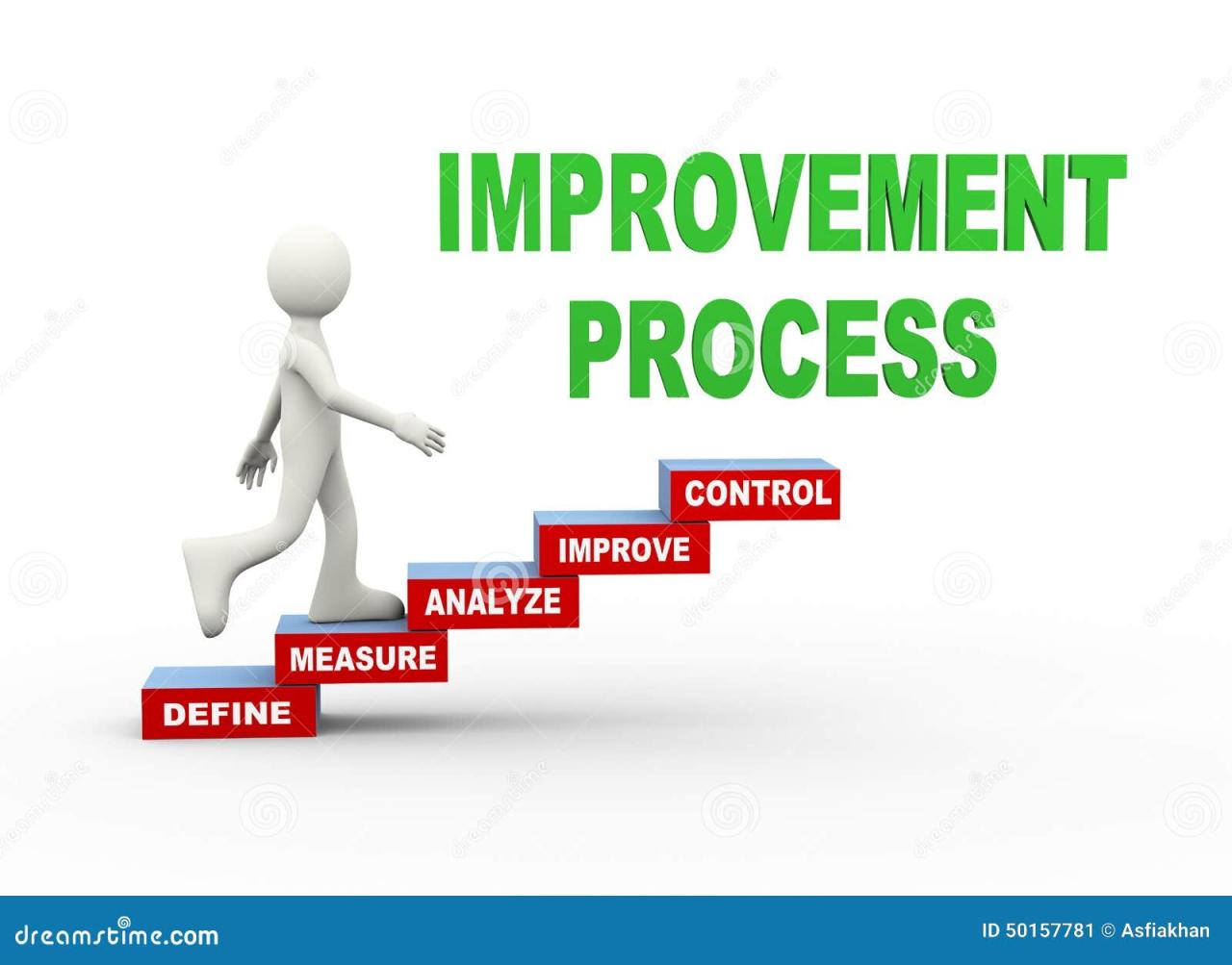
As AI continues to revolutionize educational practices, various tools and platforms have emerged to specifically target and improve reading comprehension skills. These technological solutions harness artificial intelligence to provide personalized, interactive, and adaptive learning experiences that cater to diverse learner needs. Understanding the capabilities and functionalities of these platforms is essential for educators, students, and lifelong learners aiming to optimize their reading proficiency through modern, evidence-based methods.
This section offers a comprehensive comparison of leading AI-powered reading tools, highlighting their unique features and functionalities. Additionally, guidance is provided on selecting the most appropriate platform based on specific learning objectives, skill levels, and preferences. Recognizing the strengths of each solution ensures a tailored approach to reading comprehension improvement and maximizes educational outcomes.
Comparison of Popular AI-Based Reading Tools
Below is a responsive table illustrating key features, functionalities, and target audiences of prominent AI-driven reading platforms. This comparison aims to facilitate informed decision-making when choosing the right tool to support diverse learning needs.
| Tool/Platform | Target Audience | Core Features | Functionalities Focused on Comprehension | Additional Benefits |
|---|---|---|---|---|
| Kurzweil 3000 | Students with learning differences, including dyslexia | Text-to-speech, highlighting, note-taking, vocabulary support | Interactive reading with comprehension prompts, vocabulary scaffolding, and summarization tools | Supports diverse media formats, extensive annotation options |
| Squirrel AI | K-12 learners seeking personalized adaptive learning | AI-driven diagnostics, adaptive content delivery, progress tracking | Real-time comprehension assessments and tailored exercises to address weak areas | Data-driven insights for educators, gamified engagement |
| Newsela | Students across grade levels, focusing on informational reading | Curated news articles, adjustable reading levels, vocabulary support | Comprehension quizzes, annotations, and discussion prompts integrated within texts | Real-world relevance, diverse topics, and cross-curricular integration |
| Read Along by Google | Early learners and young children | Interactive storybooks, speech recognition, phonics cues | Guided reading with pronunciation feedback, comprehension questions after stories | Encourages independent reading, builds foundational literacy skills |
When selecting an AI-based reading tool, it is essential to consider the specific learning context and objectives. For example, students with special needs may benefit most from platforms like Kurzweil 3000, which offers extensive accessibility features. Conversely, educators aiming to promote informational literacy might favor Newsela’s curated content and comprehension assessments. Adaptive platforms like Squirrel AI serve learners requiring personalized instruction, while tools like Read Along are ideal for early-stage readers developing basic literacy skills.
By aligning the platform’s core functionalities with learner needs, educators and students can maximize engagement and comprehension outcomes.
Designing Effective Reading Activities with AI

Creating engaging and effective reading activities that leverage artificial intelligence can significantly enhance learners’ comprehension skills. Well-designed activities not only promote active participation but also provide personalized feedback, addressing individual learning needs. Integrating AI into reading exercises allows educators to develop dynamic, adaptable, and data-driven activities that motivate learners and improve their overall understanding of texts.
These AI-supported activities encompass the creation of customized quizzes, interactive reading sessions, and the integration of AI-generated summaries and annotations. Such approaches facilitate immediate feedback, foster critical thinking, and enable learners to engage more deeply with the material. By harnessing AI tools, educators can craft more targeted and meaningful reading experiences that align with learners’ proficiency levels and learning goals.
Creating AI-Supported Quizzes and Comprehension Checks
Effective reading activities begin with assessments that gauge understanding and reinforce learning. AI can streamline the development of quizzes and comprehension checks that are tailored to the specific texts and learners’ needs.
- Utilize AI algorithms to analyze the complexity of a reading passage and generate relevant questions that target key ideas, vocabulary, and inference skills. This ensures that questions are appropriately challenging and aligned with learning objectives.
- Implement adaptive quiz systems that modify difficulty levels based on real-time learner responses, providing a personalized assessment experience. For instance, if a student consistently answers inferential questions correctly, the system can introduce higher-order questions to deepen comprehension.
- Incorporate multimedia elements such as images, audio, or videos into questions to cater to diverse learning preferences and to assess comprehension across different modalities.
Designing quizzes with AI-driven question generation ensures assessments are both individualized and comprehensive, facilitating targeted feedback and continuous improvement.
Developing Interactive Reading Sessions with AI Feedback
Interactive reading sessions foster active engagement and immediate comprehension monitoring. AI can serve as a virtual facilitator, providing real-time feedback and guiding learners through texts.
- Leverage AI-powered chatbots or virtual assistants that engage learners in discussions about the reading material, encouraging elaboration, clarification, and critical thinking. These tools can ask probing questions and respond to learner inputs dynamically.
- Integrate AI systems that analyze learners’ reading pace and comprehension patterns, offering tailored prompts or hints when difficulties are detected. For example, if a student struggles with a particular paragraph, the AI can suggest re-reading or highlight important sections.
- Utilize speech recognition and natural language processing to facilitate read-aloud sessions where AI provides pronunciation corrections and comprehension prompts, enhancing both fluency and understanding.
AI-enabled interactive sessions transform passive reading into active dialogue, fostering deeper engagement and personalized learning pathways.
Incorporating AI-Generated Summaries and Annotations into Learning
Summaries and annotations are valuable tools for reinforcing understanding and guiding learners through complex texts. AI can automate the creation of these supportive materials, making them more accessible and tailored to individual needs.
- Use AI algorithms to generate concise summaries that distill key ideas and themes from lengthy texts, helping learners grasp essential concepts quickly. For example, summarizing a scientific article into digestible points can aid comprehension without overwhelming the learner.
- Encourage learners to interact with AI-generated annotations, which highlight important phrases, define challenging vocabulary, or suggest questions for further reflection. These annotations can be integrated directly into digital texts for seamless learning experiences.
- Develop systems where learners can customize summaries and annotations based on their focus areas or difficulties, enhancing relevance and engagement. For instance, a learner interested in historical context can select annotations that emphasize background information.
Incorporating AI-generated summaries and annotations enriches the reading process by providing immediate, relevant support that promotes better comprehension and retention.
Practical Strategies for Learners Using AI to Boost Comprehension
Integrating AI tools into daily reading routines offers learners a powerful way to enhance comprehension skills effectively. By adopting practical strategies, individuals can optimize their reading experiences, set clear objectives, and monitor progress with greater precision. These approaches empower learners to take control of their development, making reading a more engaging and fruitful activity.
Implementing AI-driven strategies requires a structured approach that encourages consistent practice, measurable goal setting, and ongoing adjustment based on performance insights. When learners understand how to leverage AI tools appropriately, they can achieve significant improvements in their understanding and retention of reading material over time.
Best Practices for Integrating AI Tools into Daily Reading Routines
Successful integration of AI tools into everyday reading habits involves deliberate planning and mindful selection of resources. The following best practices can guide learners in maximizing the benefits of AI-assisted reading:
- Establish a consistent reading schedule that aligns with daily routines, ensuring regular engagement with AI-enhanced materials.
- Select AI tools that complement individual learning styles, such as vocabulary builders, comprehension quizzes, or annotation platforms integrated with artificial intelligence capabilities.
- Combine AI tools with traditional reading methods to maintain a balanced approach, fostering both technological literacy and foundational skills.
- Leverage features like real-time feedback, personalized recommendations, and interactive exercises offered by AI platforms to deepen understanding.
- Maintain a reflective journal to document insights gained from AI interactions, noting improvements and challenges encountered during reading sessions.
Setting Measurable Goals with AI Assistance
Defining clear, quantifiable objectives enhances motivation and provides a roadmap for progress. Incorporating AI capabilities in goal-setting allows for tailored benchmarks based on individual performance levels. When establishing goals, consider the following:
- Specify target comprehension levels, such as understanding key themes or answering specific types of questions with accuracy.
- Utilize AI tools to identify baseline skills by assessing initial performance, then set incremental improvement targets.
- Break overarching goals into smaller, manageable milestones—such as mastering particular vocabulary sets or completing a certain number of comprehension exercises weekly.
- Employ AI-generated analytics to track progress over time, adjusting goals as necessary to prevent stagnation and encourage continuous growth.
- Set realistic timeframes for achieving each milestone, ensuring sustained motivation and manageable workloads.
Monitoring Progress and Adjusting Strategies
Regular assessment of progress is vital to ensure that AI-supported reading strategies remain effective. Continuous monitoring, combined with strategic adjustments, helps optimize learning outcomes. Consider these tips:
- Use AI platform analytics to review performance metrics, such as accuracy rates, response times, and areas of difficulty.
- Identify patterns in errors or challenges, which can inform targeted practice to address specific weaknesses.
- Adjust reading strategies based on data insights—this might include increasing focus on vocabulary, revisiting challenging texts, or exploring different AI tools better suited to individual needs.
- Incorporate periodic self-reflection sessions, where learners evaluate their comfort level, confidence, and understanding after each reading activity.
- Seek feedback from AI tools and, if applicable, educators or peers, to gain diverse perspectives on progress and areas for improvement.
By adhering to these practical strategies, learners can effectively harness AI to elevate their reading comprehension skills, making the process more personalized, measurable, and adaptable to their evolving needs.
Challenges and Limitations of AI in Reading Education

While artificial intelligence offers numerous opportunities to enhance reading comprehension, it is essential to acknowledge the inherent challenges and limitations that accompany its integration into educational settings. Recognizing these issues ensures a balanced approach that leverages AI’s strengths without overlooking potential drawbacks.
Implementing AI-driven tools and methods in reading education involves navigating technical, pedagogical, and ethical considerations. Addressing these challenges effectively can optimize the benefits of AI while mitigating risks associated with overdependence or misapplication.
Technical and Implementation Challenges
Adopting AI in reading education often confronts technical hurdles that can impact effectiveness. These include issues related to data quality, system reliability, and integration with existing educational infrastructure. Variability in data sources can lead to inaccuracies in AI models, affecting the precision of feedback and assessments. Furthermore, ensuring that AI systems operate seamlessly across diverse devices and platforms remains a significant challenge, especially in resource-limited environments.
System reliability is crucial; frequent downtimes or errors can hinder learners’ progress and diminish trust in AI tools. Additionally, the need for continuous updates and maintenance to keep AI algorithms current with evolving language use and pedagogical standards adds complexity and cost.
Comparison of AI Methods Versus Traditional Approaches
Evaluating the effectiveness of AI-based techniques relative to traditional reading instruction methods reveals both strengths and limitations. Traditional approaches—such as teacher-led discussions, printed materials, and face-to-face guidance—offer personalized interaction, immediate feedback, and adaptability based on real-time observations. These methods foster social engagement and critical thinking skills that are sometimes less effectively cultivated via AI tools.
AI methods, on the other hand, provide scalable, consistent, and data-driven support, enabling individualized learning at scale. However, their capacity to fully replicate the nuanced understanding and empathetic responsiveness of human instructors remains limited. Studies suggest that AI can supplement but not entirely replace the pedagogical insights offered by experienced teachers, especially for learners with unique needs or difficulties.
Considerations for Avoiding Overreliance on AI Tools
Overdependence on AI in reading education risks diminishing essential human elements such as empathy, motivation, and social interaction. It is vital to strike a balance that integrates AI as a supportive tool rather than a sole authority. Educators and learners should be aware of the potential pitfalls of relying solely on technology, which might lead to reduced development of critical thinking and interpretive skills.
Practical strategies include ensuring that AI tools are used to complement traditional teaching methods, promoting active engagement and discussion, and encouraging learners to apply their comprehension skills beyond digital platforms. Additionally, regular assessments and human oversight can help identify when AI guidance might be insufficient or when learners require more personalized support.
Effective integration of AI in reading education requires a balanced approach that leverages technological advantages while preserving the fundamental human elements essential to meaningful learning experiences.
Future Developments in AI for Reading Comprehension
As artificial intelligence continues to evolve at a rapid pace, its potential to transform reading comprehension is immense. Emerging technologies are poised to create more sophisticated, personalized, and interactive learning experiences, pushing the boundaries of what learners can achieve. Staying informed about these advancements enables educators and learners to prepare for a future where AI-driven tools become even more integral to reading education.
Future developments in AI for reading comprehension promise to introduce innovative solutions that adapt dynamically to individual learner needs, incorporate multimodal content, and leverage advanced natural language processing techniques. These innovations will facilitate a more engaging and effective learning environment, ultimately leading to improved literacy and comprehension skills across diverse populations.
Emerging Technologies Enhancing Reading Skills
Recent breakthroughs in artificial intelligence and related fields suggest promising avenues for future applications in reading education. Key emerging technologies include:
- Deep Learning and Transformer Models: Building upon the success of models like GPT-4, future models are expected to possess even greater contextual understanding and reasoning capabilities. These models will facilitate nuanced comprehension, summarization, and question-answering tailored to individual learner profiles.
- Multimodal AI: Integrating text, audio, and visual data allows systems to deliver content through various sensory channels, catering to different learning styles and enhancing engagement. For example, combining narrated texts with illustrative visuals can deepen understanding, especially in complex subjects.
- Neuro-AI Interfaces: Technologies such as brain-computer interfaces (BCIs) are being developed to monitor cognitive load and engagement levels in real time. These advancements could enable AI to adapt reading tasks instantaneously based on the learner’s mental state, optimizing learning efficiency.
- Augmented and Virtual Reality (AR/VR): Immersive environments powered by AI can simulate real-world scenarios or abstract concepts, making reading more interactive and contextually rich. Such experiences can significantly improve comprehension and retention of complex material.
Innovative Methods for Personalized Learning Experiences
Personalization remains a cornerstone in advancing reading comprehension. Future AI-driven methods will emphasize tailored learning pathways that respond to individual progress, preferences, and challenges. These approaches include:
- Adaptive Learning Algorithms: Utilizing continuous assessment data, AI systems will dynamically adjust reading difficulty, provide targeted feedback, and recommend specific activities aligned with the learner’s evolving needs. For example, a student struggling with inference questions might receive additional practice and contextual explanations automatically.
- Emotion-Aware AI: By analyzing facial expressions, voice tone, and physiological signals, AI can gauge emotional engagement and frustration levels. This feedback allows the system to modify content delivery—such as introducing encouraging prompts or simplifying explanations—to maintain motivation and comprehension.
- Personalized Content Curation: AI algorithms will curate reading materials based on a learner’s interests, cultural background, and proficiency level, fostering intrinsic motivation and sustained engagement. For example, a history enthusiast might receive age-appropriate articles on recent archaeological discoveries.
- Learning Pathways Based on Cognitive Styles: Future AI tools will identify whether learners prefer visual, auditory, or kinesthetic learning and customize activities accordingly, thereby maximizing comprehension efficiency.
Potential Applications Organized into a Timeline
The timeline of future applications highlights the progression from current capabilities to more advanced and integrated systems over the next decade:
- Next 1-3 Years: Enhancement of existing AI models to deliver more contextually relevant and personalized reading recommendations; implementation of basic multimodal content delivery; initial integration of emotion detection for immediate feedback.
- 3-5 Years: Deployment of neuro-AI interfaces in classroom settings, allowing real-time adjustment of reading tasks based on cognitive load; widespread adoption of immersive AR/VR environments for interactive reading experiences; development of sophisticated adaptive learning platforms that tailor entire curricula to individual needs.
- 5-10 Years: Integration of AI-driven neurofeedback systems that monitor brain activity for precise comprehension assessment; fully autonomous AI tutors capable of designing and implementing personalized reading programs; globalization of accessible AI tools to bridge literacy gaps across diverse socio-economic groups.
These advancements will foster an era where AI not only supports but actively transforms reading comprehension education, making learning more engaging, inclusive, and effective for learners worldwide.
Final Thoughts
In summary, harnessing AI for reading comprehension offers a promising pathway to enhance understanding, foster engagement, and achieve educational goals more efficiently. As technological advancements continue, the future holds exciting possibilities for personalized and innovative approaches that will further transform reading education and empower learners worldwide.