Discovering how to improve paraphrasing with AI tools opens new horizons for enhancing writing quality and efficiency. Leveraging advanced algorithms, these tools assist users in generating alternative expressions while maintaining the original meaning, making content creation more effective and less time-consuming.
This guide explores fundamental principles, practical techniques, and best practices for selecting and utilizing AI paraphrasing tools. It aims to equip users with the knowledge needed to refine their paraphrasing skills, combine manual editing with AI assistance, and apply these methods across various professional and academic contexts.
Understanding the Fundamentals of Paraphrasing and AI Tools
Mastering effective paraphrasing is essential for clear communication, academic integrity, and content originality. The advent of AI tools has revolutionized this skill, offering innovative ways to generate alternative expressions and enhance linguistic versatility. Recognizing the core principles behind paraphrasing and understanding how AI algorithms operate can significantly improve your ability to craft original and nuanced content efficiently.
AI-powered paraphrasing tools leverage advanced computational models to interpret text and produce semantically equivalent variations. These tools analyze sentence structures, word choices, and contextual cues to identify the core message while rephrasing it in diverse ways. This automated process not only saves time but also helps users explore multiple expressions, thereby broadening their paraphrasing capabilities beyond manual efforts.
Core Principles of Effective Paraphrasing
Effective paraphrasing hinges on maintaining the original meaning while altering the language and structure. It involves comprehending the text thoroughly, identifying key concepts, and re-expressing ideas using different vocabulary and sentence formations. Proper paraphrasing avoids plagiarism and ensures content originality, which is especially critical in academic and professional contexts. It also requires a balance between fidelity to the source and creative rewording to produce a natural, coherent output.
The Role of AI Tools in Enhancing Paraphrasing Skills
AI tools serve as intelligent assistants that augment human paraphrasing efforts. They analyze input text using sophisticated algorithms, such as Natural Language Processing (NLP) and machine learning models, to generate alternative formulations. These tools can suggest synonyms, restructure sentences, and adapt tone or style according to user preferences. By providing immediate, diverse options, AI tools facilitate a deeper understanding of paraphrasing techniques and encourage users to experiment with different linguistic approaches.
How AI Algorithms Interpret and Generate Alternative Expressions
AI algorithms interpret text through complex processing layers that grasp semantic meaning and contextual relevance. Using large datasets, these models learn language patterns and associations, enabling them to predict suitable rephrasing options. For example, when given a sentence like “The quick brown fox jumps over the lazy dog,” an AI tool might generate alternatives such as “A swift fox leaps above a sluggish canine” or “The rapid brown fox vaults over the lethargic dog.” These variations retain the original message but differ in vocabulary and structure, demonstrating AI’s ability to produce semantically consistent paraphrases.
Comparison of Traditional Paraphrasing Methods Versus AI-Assisted Techniques
Understanding the distinctions between manual and AI-assisted paraphrasing highlights the advantages and limitations of each approach. The following comparison chart provides clarity on the methodologies:
| Aspect | Traditional Paraphrasing | AI-Assisted Paraphrasing |
|---|---|---|
| Process | Relies on human understanding, creativity, and language skills to reword text manually. | Utilizes algorithms to analyze input and generate alternative expressions automatically. |
| Time Efficiency | Can be time-consuming, especially for lengthy or complex texts. | Offers rapid suggestions, significantly reducing time spent on rephrasing tasks. |
| Consistency | Depends on individual skill; quality varies based on expertise and familiarity. | Provides consistent output based on trained models, with some variability based on input and settings. |
| Creativity and Nuance | Allows for nuanced understanding and creative expression tailored to context. | Generates diverse options, but may sometimes lack contextual sensitivity unless well-trained. |
| Learning and Skill Development | Enhances learning through active practice and comprehension. | Serves as an auxiliary tool, supplementing human effort but not replacing fundamental understanding. |
Both methods have their merits; combining human insight with AI assistance can optimize paraphrasing quality, speed, and creativity.
Techniques to Enhance Paraphrasing with AI Tools
Optimizing paraphrasing with AI tools involves a systematic approach that ensures clarity, accuracy, and originality. By following specific procedures, users can significantly improve the quality of generated content. Additionally, refining AI-produced paraphrases through manual editing and review is crucial for achieving professional and polished results. To facilitate this process, a structured workflow aids in visualizing the steps involved from initial input to final output, ensuring efficiency and consistency in paraphrasing tasks.
Implementing effective techniques to enhance paraphrasing with AI tools requires a combination of strategic input formulation, diligent manual review, and iterative refinement. This approach not only maximizes the capabilities of AI but also ensures that the paraphrased content aligns with the intended tone, style, and accuracy needed for scholarly, professional, or creative purposes.
Step-by-Step Procedures for Inputting Content into AI Tools
Maximizing the quality of AI-generated paraphrasing begins with carefully preparing the input content and structuring the prompts. Following a clear, step-by-step process ensures consistent results and reduces the need for excessive revisions later on.
- Identify and Evaluate the Original Content: Select the specific text segment requiring paraphrasing. Ensure the content is clear and free from ambiguities to avoid misinterpretation by the AI.
- Define the Paraphrasing Goals: Clarify the desired outcome, such as maintaining technical accuracy, adjusting for tone, or simplifying complex language. This guides prompt formulation.
- Formulate Precise Prompts: Craft specific instructions for the AI, emphasizing the style, tone, and level of paraphrasing required. For example, “Rephrase the following with formal tone and concise language.”
- Input Content with Contextual Clarity: Include relevant context or background information in the prompt to guide the AI effectively. This is particularly important for technical or specialized content.
- Review and Adjust: After initial output, compare the paraphrased version with the original to check for fidelity and clarity. Refine prompts as necessary for subsequent iterations.
Best Practices for Refining AI-Generated Paraphrases through Manual Editing and Review
While AI tools are powerful, manual review remains essential to ensure the quality and appropriateness of paraphrased content. Adopting best practices in editing enhances coherence, correctness, and style consistency.
- Read for Coherence and Flow: Assess whether the paraphrased content reads naturally and maintains logical progression. Rearrange sentences if needed for better flow.
- Verify Accuracy and Originality: Cross-check facts, figures, and technical details. Ensure the paraphrased version does not distort the original meaning or introduce inaccuracies.
- Enhance Clarity and Conciseness: Simplify complex sentences, eliminate redundancies, and clarify ambiguous phrases. Use straightforward language where appropriate.
- Apply Consistent Style and Tone: Modify the text to match the desired style, whether formal, informal, technical, or creative. Maintain consistency throughout the document.
- Utilize Feedback Loops: Incorporate peer or client feedback during review stages to align the paraphrased content with expectations and standards.
Designing a Workflow Diagram for Generating, Evaluating, and Improving Paraphrased Content
Visualizing the paraphrasing process through a workflow diagram helps streamline activities and ensures a systematic approach. The workflow encompasses four primary stages: content input, AI generation, evaluation, and manual refinement.
| Stage | Description | Key Activities |
|---|---|---|
| Content Input | Selection and preparation of the original text, including prompt structuring and context provision. |
|
| AI Content Generation | Processing the input through AI to produce paraphrased output. |
|
| Evaluation and Review | Critical assessment of AI output to detect errors, inaccuracies, or stylistic issues. |
|
| Manual Refinement | Editing and polishing the paraphrased content to meet quality standards. |
|
This workflow promotes an iterative process, encouraging multiple rounds of refinement to achieve high-quality paraphrased content. Incorporating feedback at each stage enhances accuracy, stylistic alignment, and overall effectiveness of the paraphrasing process.
Selecting the Right AI Paraphrasing Tools
Choosing the most suitable AI paraphrasing tool is essential for achieving accurate, efficient, and contextually appropriate rewriting. With numerous options available in the market, evaluating these tools based on specific criteria ensures that users can optimize their paraphrasing processes for various needs, whether academic, professional, or creative.
Effective selection involves understanding how different tools perform in terms of accuracy, usability, customization, and output variability. Making informed decisions allows users to leverage AI capabilities fully, resulting in higher quality and more reliable paraphrased content that aligns with their objectives.
Criteria for Evaluating AI Paraphrasing Tools
When assessing AI paraphrasing solutions, it is crucial to consider multiple factors that influence performance and user experience. These criteria help identify the tools best suited to different contexts and demands.
- Accuracy of Paraphrasing: The tool’s ability to produce semantically correct and contextually appropriate paraphrases is fundamental. High accuracy reduces the need for extensive post-editing and ensures the original meaning is preserved.
- User Interface and Ease of Use: An intuitive, friendly interface simplifies the paraphrasing process, especially for users with limited technical expertise. Clear options, guidance, and minimal clutter enhance overall usability.
- Customization Options: The availability of settings to adjust tone, style, or complexity allows users to tailor output to specific needs, making the tool versatile for various applications.
- Output Diversity and Variety: The ability to generate multiple paraphrased versions from a single input helps users select the most suitable alternative and promotes creative flexibility.
Comparison of Popular Paraphrasing AI Tools
Understanding the features and capabilities of leading paraphrasing tools enables users to select the right solution based on their requirements. The table below provides a comparative overview of some widely used AI paraphrasing solutions:
| Feature | QuillBot | Spinbot | Paraphraser.io | Wordtune |
|---|---|---|---|---|
| Accuracy | High, with advanced AI models; preserves context well | Moderate; may produce less coherent outputs at times | Good, suitable for general paraphrasing | High, especially for professional and creative writing |
| User Interface | Intuitive, modern, user-friendly | Basic, minimalistic | Simple, straightforward | Elegant, with real-time suggestions |
| Customization Options | Adjust tone, style, and synonyms | Limited; mainly just paraphrasing | Basic options for output length | Advanced; tone, style, and formality controls |
| Output Diversity | Multiple paraphrase options per input | Single output per input, limited variation | Few variations, mostly one output | Multiple options, with suggestions for improvement |
| Special Features | Integrations with MS Word and Chrome | Fast, free, online tool | Free, no login required | Real-time editing and enhancement suggestions |
Application Scenarios for Different AI Paraphrasing Tools
Choosing the appropriate AI paraphrasing tool depends significantly on the intended use case. The following examples demonstrate how various tools are suited to specific paraphrasing needs:
Academic Paraphrasing: QuillBot’s high accuracy and advanced customization options make it ideal for students and researchers seeking to paraphrase scholarly texts while maintaining precision and clarity.
Professional Content Creation: Wordtune’s real-time suggestions and stylistic controls are well-suited for journalists, marketers, and practitioners aiming for polished, engaging, and contextually appropriate content.
Creative Writing and Brainstorming: Tools like Spinbot, which generate rapid paraphrasing with multiple options, can stimulate creative thinking and help writers explore different expressions and styles quickly.
By evaluating these criteria and understanding the specific strengths of each tool, users can make strategic decisions that enhance their paraphrasing workflows, ultimately improving both efficiency and output quality.
Strategies for Improving Paraphrasing Quality with AI Assistance
Enhancing paraphrasing quality through AI tools requires a strategic approach that emphasizes semantic depth, accuracy, and clarity. Employing effective methods ensures that the paraphrased content remains faithful to the original meaning while also achieving variation and richness. This section explores practical strategies to optimize AI-assisted paraphrasing, helping users generate high-quality, reliable outputs that meet scholarly, professional, or creative standards.AI tools can significantly augment paraphrasing tasks by expanding vocabulary, capturing nuanced meanings, and suggesting contextually appropriate synonyms.
However, maximizing their potential involves understanding their capabilities and limitations, and applying best practices to avoid common pitfalls such as inaccuracies or awkward phrasing. Implementing a structured workflow that includes iterative review and editing allows users to refine AI-generated content systematically, ensuring it aligns with intended tone, correctness, and coherence.
Leveraging AI for Semantic Richness and Originality
To increase semantic richness while preserving the original intent, users should focus on integrating AI suggestions that expand on key ideas rather than merely swapping words. Techniques include:
- Utilizing AI’s synonym and phrase expansion features to incorporate varied vocabulary and idiomatic expressions, thereby enriching the paraphrased content.
- Encouraging AI to generate multiple paraphrase options, then selecting those that add depth or clarify complex concepts without altering the core message.
- Employing contextual prompts that guide AI to emphasize specific themes or nuances, ensuring the paraphrasing reflects the broader context of the source material.
Effective paraphrasing with AI involves balancing lexical variation with semantic integrity, avoiding superficial changes that may distort meaning.
Avoiding Common AI Paraphrasing Pitfalls
AI-powered paraphrasing can sometimes produce inaccuracies or awkward phrasing, which compromise the quality of the output. To mitigate these issues, implement the following approaches:
- Always review AI-generated paraphrases to verify factual correctness, especially when handling technical or data-driven content.
- Detect and correct awkward or unnatural language that may result from literal translation or overly literal synonym replacement.
- Maintain a keen eye for contextually inappropriate word choices, using domain knowledge to adjust or refine AI suggestions accordingly.
- Leverage AI tools that provide confidence scores or indicate uncertainty, prioritizing revisions on lower-confidence outputs.
Guidelines for Iterative Improvement of Paraphrases
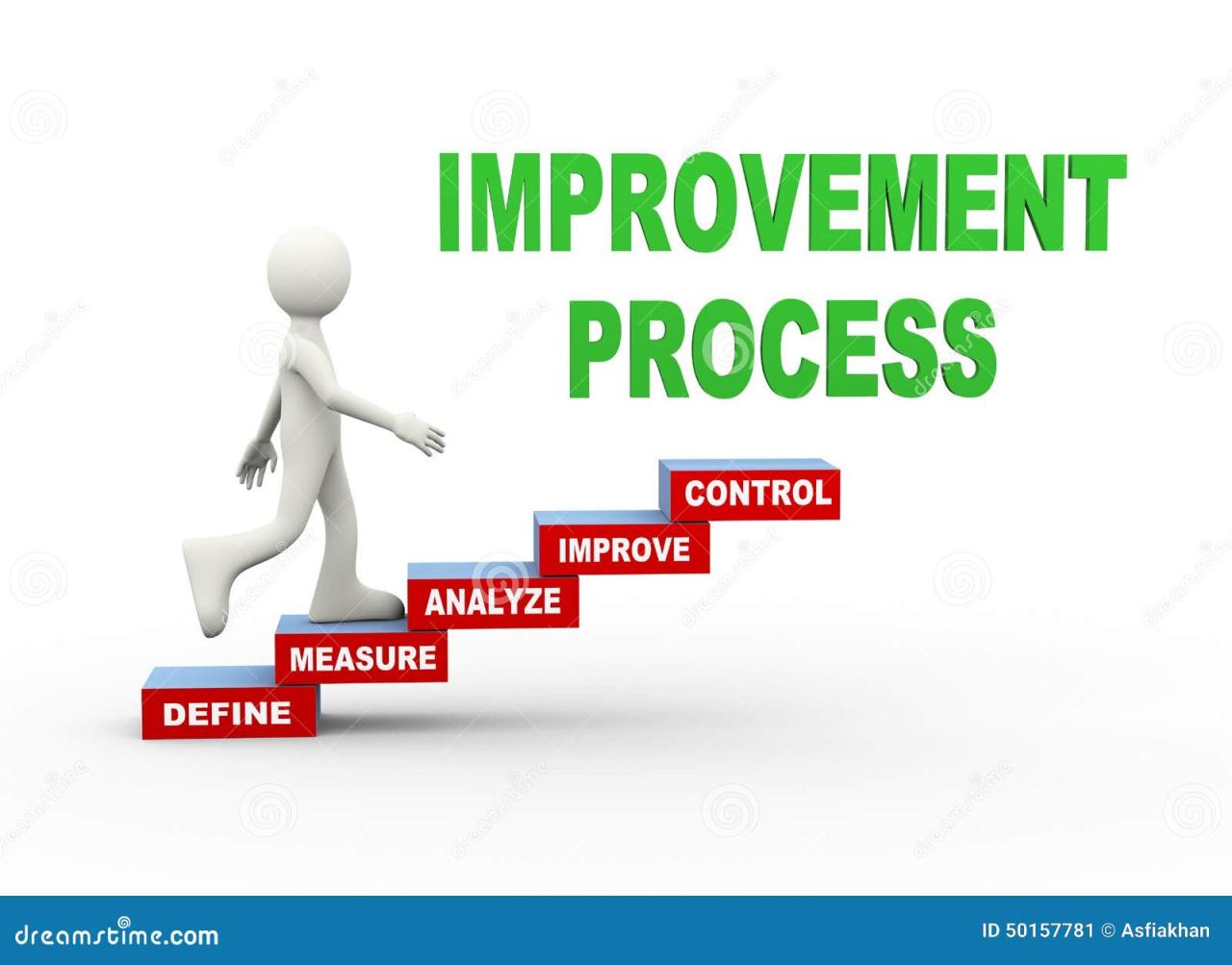
A systematic, iterative process enhances the quality of paraphrased content by refining each version through review and editing. The following guidelines facilitate this cycle:
- Generate: Use AI tools to produce initial paraphrased drafts, experimenting with different prompts and settings to explore various expressions.
- Review: Carefully examine the output for accuracy, clarity, and stylistic appropriateness. Cross-reference with the original to ensure no essential meaning is lost.
- Edit: Manually adjust phrasing, correct errors, and improve coherence. Focus on smoothing transitions and eliminating redundancies.
- Finalize: Confirm that the paraphrased version aligns with desired standards, ensuring it is polished, semantically faithful, and free of awkward expressions.
Applying this iterative approach allows users to leverage AI’s strengths while maintaining control over the quality and fidelity of paraphrased content, ultimately producing professional-grade results.
Practical Applications and Use Cases for AI-Enhanced Paraphrasing
AI-enhanced paraphrasing tools have become invaluable assets across various industries, facilitating more efficient content modification while maintaining original meaning. Their versatility allows professionals to adapt and optimize their workflows, ensuring clarity, originality, and consistency in communication. By integrating these tools into day-to-day tasks, industries such as academia, marketing, and content creation can significantly improve productivity and output quality.
Understanding how to leverage AI paraphrasing in real-world scenarios enables organizations and individuals to maximize their content’s impact while saving time. The following sections explore practical implementation strategies, sample use cases, and integration methodologies to harness AI paraphrasing effectively across diverse fields.
Adapting AI Paraphrasing in Academic Writing, Marketing, and Content Creation
In academic writing, precise paraphrasing ensures proper citation and avoids plagiarism, while maintaining scholarly integrity. For marketing, paraphrased content helps tailor messages to different audiences, enhancing engagement without redundant repetition. Content creators benefit from AI tools by generating unique variations of existing material that resonate with specific niches or platforms.
Below are sample content blocks demonstrating how AI paraphrasing can be adapted for each industry:
Academic Writing
“Using AI tools, researchers can rephrase complex concepts into clearer language, aiding comprehension while preserving technical accuracy. For example, transforming a dense paragraph about climate models into simplified terms makes it accessible for broader audiences, ensuring clarity without losing scientific rigor.”
Example:
Original: "The thermodynamic processes within the Earth's atmosphere contribute significantly to weather patterns, necessitating detailed analysis to predict climate variability."
Paraphrased: "The Earth's atmospheric thermodynamic activities play a crucial role in shaping weather systems, making thorough examination essential for climate prediction."
Marketing
“AI paraphrasing allows marketers to customize promotional messages for specific demographics, increasing relevance and engagement. For instance, a product description can be rewritten to appeal differently to young adults versus professionals.”‘
Example:
Original: "Our new smartwatch features advanced health tracking capabilities and sleek design."
Paraphrased: "Experience cutting-edge health monitoring and stylish aesthetics with our latest smartwatch, crafted for modern lifestyles."
Content Creation
“Content creators utilize AI paraphrasing to generate diverse versions of blogs, social media posts, or scripts, ensuring fresh content that appeals to various audiences.”
Example:
Original: "Discover the benefits of meditation for mental health and overall well-being."
Paraphrased: "Learn how practicing meditation can enhance mental wellness and improve your overall quality of life."
Integrating AI Paraphrasing into Workflow Automation Tools
Automating paraphrasing tasks through workflow tools enhances efficiency, allowing seamless content updates and repurposing. These integrations streamline processes, reduce manual effort, and ensure consistency across large volumes of content.
Steps for integration include:
- Identifying key points or content segments that require paraphrasing within existing workflows.
- Selecting appropriate AI paraphrasing APIs or plugins compatible with your automation tools such as Zapier, Integromat, or custom scripts.
- Configuring the automation to trigger paraphrasing tasks during content drafting, editing, or publishing stages.
- Setting parameters for paraphrasing quality, tone, and style to match brand or academic standards.
- Testing the integrated system with sample content, adjusting settings based on output quality and relevance.
- Monitoring performance and continuously refining the process for optimal results.
For example, a digital marketing agency can set up an automation where blog drafts are automatically rephrased using AI tools before final review, saving hours of manual rewriting and ensuring content variation across campaigns.
Examples of Well-Paraphrased Texts Generated with AI Tools Across Industries
AI tools produce high-quality paraphrased content that can be tailored to diverse industry requirements. Illustrative examples include:
- Academic: Original: “The study indicates a correlation between diet and cognitive function.” Paraphrased: “Research shows a link between nutritional habits and mental performance.”
- Marketing: Original: “Boost your productivity with our all-in-one project management solution.” Paraphrased: “Enhance efficiency using our comprehensive project organization platform.”
- Content Creation: Original: “Travel enthusiasts will love our latest guides to hidden destinations.” Paraphrased: “Our newest travel guides unveil secret spots perfect for adventure seekers.”
These examples demonstrate that AI-led paraphrasing not only preserves core ideas but also adapts language to suit specific audience preferences, enhancing engagement and comprehension across sectors.
Challenges and Ethical Considerations when Using AI for Paraphrasing
While AI tools offer significant advantages for paraphrasing tasks, their use also introduces various challenges and ethical considerations that users must navigate carefully. Addressing these issues is crucial to ensure responsible, authentic, and effective utilization of AI technology in academic, professional, and creative writing contexts.
Potential issues include an over-reliance on AI, which can diminish individual critical thinking and writing skills; concerns about originality and intellectual honesty, especially when AI-generated content may inadvertently mimic existing texts; and risks related to the accuracy of paraphrased output, which can lead to misinterpretation or dissemination of incorrect information. Recognizing these challenges is essential for maintaining integrity and producing high-quality, trustworthy content.
Over-reliance on AI and Impact on Skill Development
Dependence on AI paraphrasing tools may reduce individuals’ motivation or ability to develop their own writing and analytical skills. Over-reliance can lead to a diminished capacity for critical thinking, original expression, and nuanced understanding of source material. It’s important to view AI as an assistive tool rather than a replacement for one’s intellectual effort. Encouraging users to actively engage with and critique AI outputs helps maintain skill development and ensures that paraphrasing remains a thoughtful, human-centered process.
Originality and Intellectual Honesty Concerns
Using AI for paraphrasing raises questions about originality, especially when AI-generated content closely resembles existing texts or when proper attribution is lacking. Ethical use demands transparency about the extent of AI assistance, and users must ensure that their work reflects genuine understanding and personal input. Failing to acknowledge AI involvement or passing off AI-generated paraphrases as entirely original can compromise academic integrity and violate intellectual property rights.
Accuracy and Misrepresentation Risks
AI tools, while advanced, are not infallible. Paraphrased content may sometimes contain inaccuracies, distort the original meaning, or introduce unintended biases. Relying solely on AI outputs without thorough verification can lead to misinformation. Users should critically evaluate and cross-check AI-generated paraphrases against reliable sources to ensure correctness and fidelity to the original intent.
Best Practices for Ethical Use of AI Paraphrasing Tools
To navigate these challenges ethically, users should adopt responsible practices that uphold authenticity and intellectual honesty. These include being transparent about AI assistance, verifying the accuracy and originality of paraphrased content, and integrating personal insight to add value. Additionally, maintaining a critical mindset when reviewing AI outputs helps prevent reliance on flawed or misleading paraphrases.
“AI tools should augment human judgment, not replace it, ensuring that paraphrasing remains a deliberate, ethical activity rooted in integrity and accuracy.”
Tips for Verifying AI-Generated Paraphrases
Ensuring the correctness and originality of AI-generated paraphrases requires diligent review. The following tips assist users in maintaining high standards of quality and ethical practice:
- Compare the paraphrased content with the original source to confirm that the core meaning is preserved without unintended alterations.
- Use plagiarism detection tools to check for similarities with existing texts, ensuring the work remains original and properly attributed.
- Cross-reference key information with reputable sources to verify factual accuracy and avoid misinformation.
- Read the paraphrased version aloud or have it reviewed by peers to identify awkward phrasing or subtle errors that may compromise clarity.
- Maintain transparency by documenting when and how AI tools were used, especially for academic or professional submissions.
- Apply critical thinking to assess whether the paraphrased content reflects genuine understanding and does not merely mimic source phrasing.
- Regularly update your knowledge of ethical standards and institutional guidelines related to AI use to stay compliant with evolving best practices.
Ultimate Conclusion
In summary, mastering how to improve paraphrasing with AI tools can significantly elevate your writing process by increasing accuracy, creativity, and efficiency. By understanding the core techniques, choosing suitable tools, and incorporating manual review, you can produce high-quality, original content that meets diverse needs and maintains ethical standards.