Learning how to generate Chicago style references with AI opens new avenues for efficient and precise academic writing. As the demand for accurate citations increases, leveraging artificial intelligence tools can significantly streamline the referencing process, saving time and reducing errors. This approach not only enhances productivity but also ensures adherence to the strict formatting standards required by scholarly works.
This guide explores the principles of Chicago style referencing, compares manual and AI-assisted methods, provides step-by-step procedures, and offers practical strategies to verify and improve generated citations. By integrating AI into your referencing workflow, you can achieve consistency and accuracy effortlessly across diverse source types, all while maintaining adherence to official style guidelines.
Overview of Chicago Style Referencing
Chicago style referencing is a widely adopted citation method used across various academic disciplines, particularly in history, arts, and humanities. It provides a standardized approach to crediting sources, ensuring clarity, consistency, and credibility in scholarly writing. Understanding the core principles of Chicago style is essential for students, researchers, and writers who aim to produce meticulously referenced work that adheres to academic standards.
This overview highlights the main components of Chicago style citations, underscores the importance of precise referencing, and discusses common challenges encountered when generating references manually.
Accurate references serve as the foundation of scholarly integrity, enabling readers to verify sources, explore further readings, and assess the credibility of the work. In the context of Chicago style, citations encompass detailed information about the sources such as authorship, publication date, title, and publication details, formatted according to specific rules. However, manual generation of these references can be complex and prone to errors, especially given the style’s nuanced rules for different source types like books, journal articles, and online resources.
Mistakes in referencing not only compromise the quality of the work but can also lead to accusations of plagiarism or academic misconduct. Consequently, understanding the main principles and common pitfalls of Chicago style referencing is crucial for maintaining scholarly standards.
Main Principles and Components of Chicago Style Citations
Chicago style primarily offers two documentation systems: Notes and Bibliography (NB) and Author-Date. The Notes and Bibliography system is often preferred in humanities disciplines, whereas the Author-Date system is common in sciences and social sciences. Regardless of the system employed, the key components of a Chicago style citation include author name(s), title, publication details, and date. The format for each component varies depending on the source type, but consistency and completeness are fundamental to ensuring clarity and traceability.
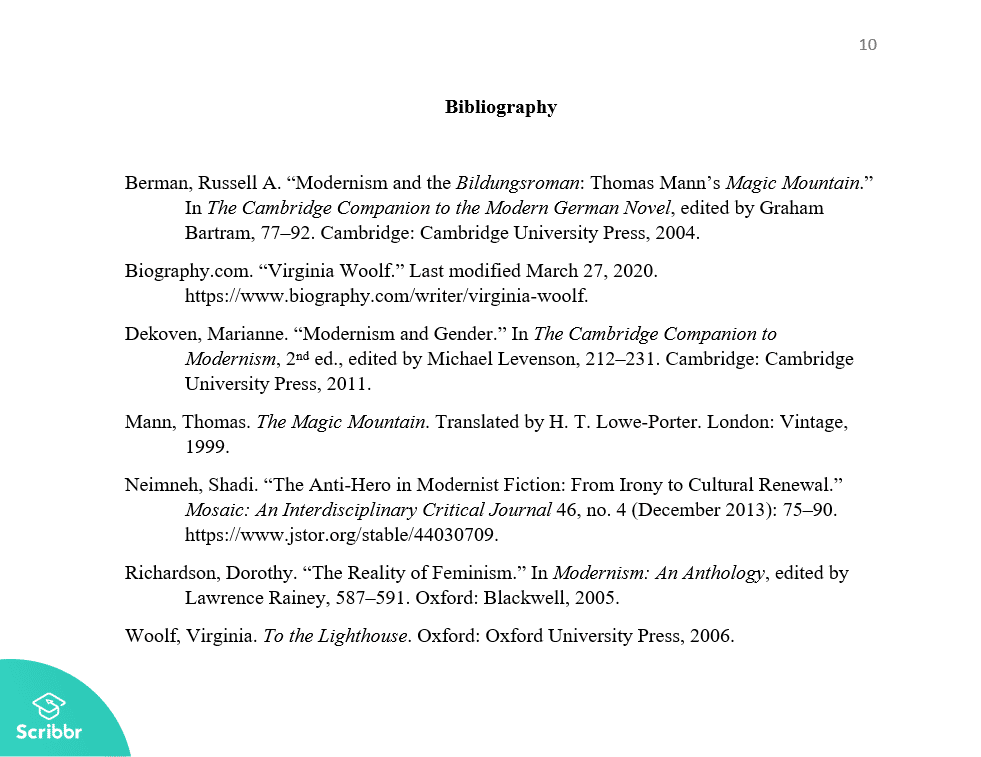
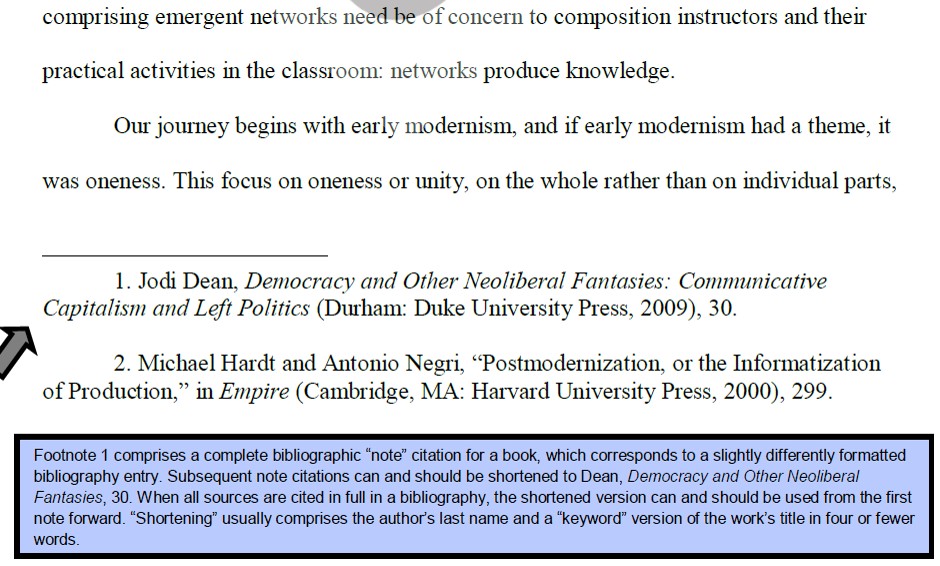
In the Notes and Bibliography system, sources are typically cited via footnotes or endnotes, with a corresponding bibliography entry that provides full publication details. For example, a book citation in a bibliography would include the author’s full name, the title in italics, publisher, publication location, and year of publication. Conversely, in the Author-Date system, in-text citations include the author’s surname and publication year, with a corresponding reference list containing full source details.
Both systems emphasize the importance of precise formatting to allow readers to accurately identify and locate the original sources.
Importance of Accurate References in Academic Writing
Accurate referencing is integral to academic integrity, as it acknowledges the intellectual contributions of original authors and prevents plagiarism. Proper citations enable readers to verify sources, assess the credibility of the information, and explore further research on the topic. They also demonstrate the writer’s rigorous approach to research and commitment to scholarly standards. Inaccurate or inconsistent references can undermine the credibility of the entire work and lead to scholarly penalties or reputational damage.
Moreover, precise references facilitate seamless navigation through complex research materials, particularly when dealing with extensive bibliographies or multiple source types. They uphold the clarity and professionalism of academic documents, ensuring that readers can easily trace the origins of ideas, quotations, and data, thereby fostering transparency and intellectual honesty in scholarly communication.
Common Challenges in Manually Generating Chicago Style References
While manual referencing offers control over citation details, it presents several challenges that can compromise accuracy and efficiency. One common issue is the complexity of formatting rules for different source types, which often vary based on the medium (print, online, multimedia). For instance, correctly punctuating author names, titles, and publication details requires careful attention to detail, and small mistakes can lead to inconsistencies.
Another challenge involves updating references with new editions or digital sources, which may have different citation requirements. Additionally, human error can result in missing information, such as publication dates or page numbers, especially when sources are difficult to access or incomplete. The manual process also becomes time-consuming when dealing with large bibliographies, increasing the likelihood of inaccuracies. These challenges highlight the need for reliable tools or methods to generate Chicago style references efficiently while maintaining high standards of correctness.
Role of AI in Generating References
Artificial Intelligence has revolutionized the process of creating accurate citations by providing tools that streamline and enhance the referencing workflow. When it comes to the Chicago style, which demands meticulous attention to detail, AI can serve as a valuable assistant, reducing errors and saving time for students, researchers, and professionals alike. Understanding the role AI plays in this context helps users leverage technology effectively for scholarly writing.
AI-based citation tools assist users by automating the extraction of bibliographic information from diverse sources such as books, journal articles, websites, and more. These tools interpret metadata, format citations according to the Chicago style, and ensure consistency throughout the document. Comparing manual and AI-assisted methods reveals significant differences in efficiency, accuracy, and user experience, highlighting AI’s growing importance in academic referencing.
With an array of specialized AI tools available, users can generate precise Chicago style references with minimal effort and reduced likelihood of errors.
Assistance of AI in Creating Accurate Chicago Style Citations
AI systems utilize advanced algorithms and natural language processing to interpret source materials and automatically generate correctly formatted citations. These tools analyze digital sources, such as PDFs or web pages, extracting necessary bibliographic details like author names, publication dates, titles, and page numbers. Once collected, the AI formats this information according to the Chicago Manual of Style guidelines, ensuring compliance with specific requirements for notes, bibliography, and author-date references.
By automating data collection and formatting, AI reduces the cognitive load on users, minimizes human errors, and accelerates the referencing process. For example, AI tools can swiftly convert a digital article into a properly formatted footnote or bibliography entry, which can then be incorporated seamlessly into a research paper. This automation ensures that references are consistently accurate, which is crucial for maintaining scholarly integrity and avoiding plagiarism.
Comparison Between Manual and AI-Assisted Referencing Methods
Manual referencing involves meticulous attention to detail, familiarity with style guidelines, and significant time investment. It requires users to manually gather source information, format each element correctly, and verify compliance with Chicago style standards. While this method allows for full control over citations, it is prone to human error, inconsistencies, and oversight, especially in large projects with numerous references.
In contrast, AI-assisted referencing offers a more efficient alternative by automating many of these steps. AI tools can rapidly generate citations, reduce errors, and maintain consistency throughout the document. However, reliance solely on AI may sometimes lead to inaccuracies if source data is incomplete or misinterpreted. Therefore, a combined approach—using AI for initial generation and manual review for final verification—is often recommended to ensure accuracy and adherence to style nuances.
Examples of AI Tools Designed for Citation Generation
Numerous AI-powered citation tools are available to facilitate accurate Chicago style referencing. These tools typically feature user-friendly interfaces that allow easy input of source information or automatic extraction from digital sources. Some of the most popular and reliable tools include:
| Name | Features | Usage Scenario |
|---|---|---|
| Zotero | Reference management software with AI integration; supports automatic extraction and formatting; extensive library management | Ideal for academic researchers managing large collections of sources, ensuring consistent Chicago style citations |
| Mendeley | Reference manager with AI-powered citation plugin; integrates with word processors; auto-generates citations and bibliographies | Suitable for students and professionals seeking seamless citation insertion during writing |
| RefME (now part of Cite This For Me) | Online platform with AI-driven citation generation; supports multiple styles including Chicago | Useful for quick citation creation from web sources or PDFs |
| EndNote | Comprehensive reference management with AI capabilities; customizable output styles | Preferred by researchers requiring detailed bibliographic organization and precise formatting |
These tools exemplify how AI enhances the referencing process, providing rapid, accurate, and style-compliant citations that support scholarly integrity and workflow efficiency.
Step-by-Step Procedures for AI-Generated Chicago Style References
Generating accurate Chicago style references using AI tools involves a systematic process that ensures precision, consistency, and adherence to citation standards. Following a structured approach helps users efficiently input source details, interpret AI outputs, and refine references to meet scholarly requirements. This section provides a clear, step-by-step guide to streamline the process of creating Chicago style citations with AI assistance, ensuring users can produce reliable and properly formatted references for their academic or professional work.
Implementing a well-defined workflow enhances the accuracy of generated references and minimizes the need for extensive manual corrections. By understanding how to input source information correctly, interpret AI-generated outputs, and verify references against Chicago style guidelines, users can leverage AI technology to save time while maintaining high standards of scholarly integrity. The following procedures serve as an effective blueprint for maximizing AI capabilities in reference generation.
Organizing Input of Source Details into AI Tools
Accurate input of source information is crucial for generating correct Chicago style references. The process begins with collecting all relevant details about the source, such as author names, titles, publication dates, publisher information, and page numbers. Consistency and completeness in data entry directly influence the quality of the AI output.
When preparing to use an AI tool, organize source details in a structured format, such as a table or a checklist. For instance, for a book source, ensure you have:
- Author’s full name(s)
- Title of the book or article
- Publication year
- Publisher name and location
- Page range (if applicable)
Input this information into the AI interface following the specific prompt instructions, often utilizing a clear command like “Generate a Chicago style bibliography entry for the following source,” along with the detailed source data. Proper organization minimizes errors and helps the AI produce accurate citations aligned with Chicago guidelines.
Formatting References Using AI Outputs
After inputting source details, the AI tool typically generates a reference formatted according to Chicago style. It is essential to carefully review the output, as AI might occasionally misplace punctuation, italics, or capitalization that are critical in Chicago formatting. The next step involves verifying and adjusting the AI-generated reference to adhere strictly to the style rules.
Here are key points to consider during formatting:
- Ensure the author names are correctly ordered, with last names first, followed by first names or initials.
- Italicize or quote titles according to the source type (e.g., italics for books, quotation marks for articles).
- Check the placement of publication dates, publisher names, and locations.
- Verify the correctness of page numbers and volume/issue details for journal articles.
- Maintain consistent punctuation, such as periods, commas, and colons, as prescribed by Chicago style.
“Review each element against the Chicago Manual of Style guidelines to confirm accuracy before finalizing the reference.”
Designing a Template for Verifying and Editing AI-Generated References
Creating a standardized template facilitates efficient verification and editing of AI-generated references. This template acts as a checklist to ensure every citation complies with Chicago style nuances, reducing oversight and enhancing consistency across references.
Key components of the verification template include:
| Aspect | Checkpoints |
|---|---|
| Author Names | Correct order, spelling, inclusion of middle initials or suffixes if applicable. |
| Title Formatting | Italicization for books and journals, quotation marks for articles or chapters, proper capitalization. |
| Publication Details | Publication year, publisher’s name, and location accurately placed and formatted. |
| Page Numbers and Volume/Issue | Ensure correct placement, formatting, and completeness. |
| Punctuation and Capitalization | Check for proper punctuation, consistent use of uppercase and lowercase in titles. |
| Overall Consistency | Verify uniformity across all references in terms of style and formatting. |
By systematically applying this template, users can identify discrepancies, correct formatting errors, and ensure each reference conforms precisely to Chicago style standards. Regularly updating the template with any Chicago style updates or specific institutional guidelines enhances its effectiveness and reliability in maintaining high-quality references.
Structured Formatting of Chicago Style References Using HTML Tables
Organizing reference components systematically enhances clarity and consistency, especially when generating multiple citations. Utilizing HTML tables to structure source data provides a clear visual framework, which is particularly beneficial when managing complex or numerous references. Properly formatted tables not only improve readability but also facilitate automated processing and validation of reference components in digital documents or reference management systems.
Creating structured references with HTML tables involves designing a layout that logically separates the key elements of each citation, such as the author, title, publication date, and publication details. This approach ensures that each component is distinctly identifiable and easily accessible for editing or conversion into various citation styles like Chicago. Additionally, styling the table with appropriate borders, spacing, and font choices enhances overall presentation and maintains a professional appearance.
Designing the HTML Table Layout
To effectively organize source data, the table should be designed with up to four columns, each dedicated to a specific reference component. This structure provides flexibility to accommodate various types of sources, including books, journal articles, and online resources. It is advisable to include headers that clearly label each column, such as “Author,” “Title,” “Date,” and “Publication Info,” to facilitate quick identification and editing.
| Author | Title | Date | Publication Info |
|---|---|---|---|
| Smith, John | The Art of Referencing | 2020 | Chicago University Press |
| Doe, Jane | Understanding Citation Styles | 2018 | Academic Publishing |
Styling the table for clarity involves using consistent font styles, alternating row colors for readability, and clear borders to distinguish each cell. Applying padding within cells ensures that the content is not cramped, facilitating easier reading and editing. Using CSS styles or inline styles, as shown in the example, allows customization to match the overall document design, thereby maintaining a cohesive and professional appearance throughout the referencing section.
Methods to Validate and Improve AI-Generated References
Ensuring the accuracy and adherence of AI-generated references to Chicago style guidelines is crucial for maintaining scholarly integrity. As AI tools increasingly assist in citation generation, implementing robust validation and correction methods helps users produce reliable and professionally formatted references. This section explores effective procedures for verifying AI outputs, techniques to identify and rectify common citation errors, and a comprehensive manual review checklist to enhance reference quality.Proper validation not only boosts confidence in the generated citations but also aligns with academic standards, thereby reducing the risk of plagiarism or misrepresentation.
Combining automated checks with manual oversight ensures a thorough review process, leveraging the strengths of both AI efficiency and human judgment.
Cross-Checking AI Outputs with Official Chicago Style Guidelines
Maintaining consistency with the official Chicago Manual of Style is essential when evaluating AI-generated references. The process begins with comparing each reference against the latest Chicago guidelines, which detail formatting, punctuation, order of information, and citation components.Begin by consulting the Chicago Manual of Style (17th edition) or reputable online resources that summarize its key principles. For each AI-generated reference, verify the following:
- Author Names: Ensure full names are correctly spelled, with last names followed by first names or initials, depending on style specifics.
- Title Formatting: Confirm that book titles and journal names are italicized or quoted appropriately, following Chicago conventions.
- Publication Details: Check that publisher names, publication years, volume and issue numbers, and page ranges are accurate and correctly ordered.
- URL and Access Dates: For online sources, verify the presence and correctness of URLs and retrieval dates if required.
Using the official Chicago guidelines as a benchmark can reveal discrepancies and guide necessary adjustments. Cross-referencing with trusted citation guides or manual examples enhances accuracy and ensures compliance.
Techniques to Identify and Correct Common Citation Errors
AI-generated citations may sometimes contain errors such as incorrect punctuation, misplaced italics, or missing information. Recognizing these common issues is fundamental for refining references.Key techniques include:
- Pattern Recognition: Familiarize with typical errors like missing commas after author names, incorrect capitalization, or inconsistent use of italics and quotation marks. When encountering these patterns, review and amend accordingly.
- Manual Spot Checks: Regularly scan references for anomalies, especially in complex citations such as edited books, multiple authors, or online sources.
- Use of Reference Management Software: Import AI-generated references into tools like Zotero or EndNote, which can flag formatting inconsistencies based on Chicago style templates.
- Consultation of Official Examples: Compare problematic references with official Chicago style examples, noting differences and applying corrections systematically.
A proactive approach to error detection minimizes citation inaccuracies and enhances the overall reliability of the references.
Organizing a Checklist for Manual Review of AI-Generated References
A structured manual review checklist provides a systematic approach to validating and improving AI-generated references. This ensures thoroughness and consistency across all citations.A comprehensive checklist should include:
- Verify accuracy of author names, ensuring correct order and spelling.
- Confirm that titles are correctly capitalized and formatted (italics or quotes).
- Check publication details such as publisher, date, volume, issue, and page numbers for correctness.
- Ensure URLs are complete, functioning, and accompanied by access dates if necessary.
- Review punctuation, including commas, periods, and colons, for adherence to Chicago style.
- Validate that all references are alphabetized or numbered according to the chosen Chicago style variant.
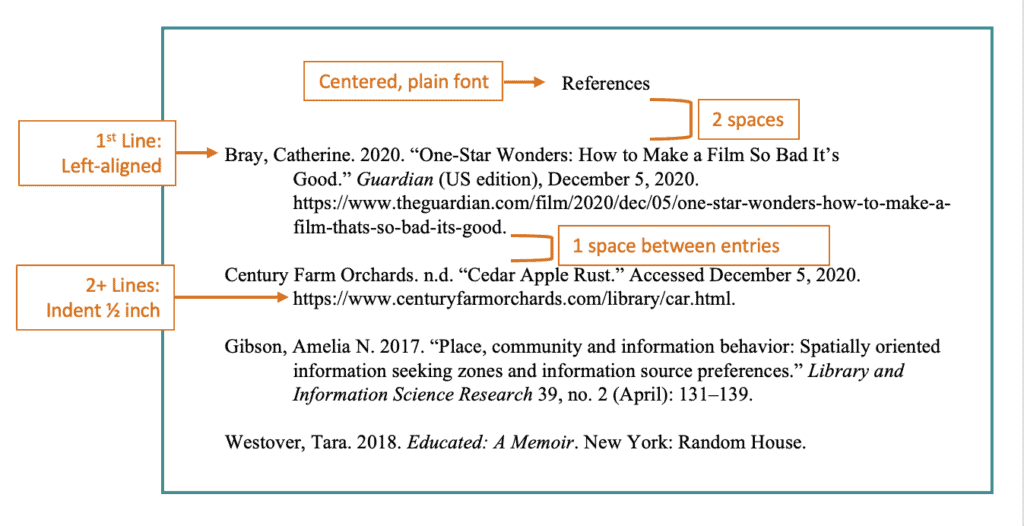
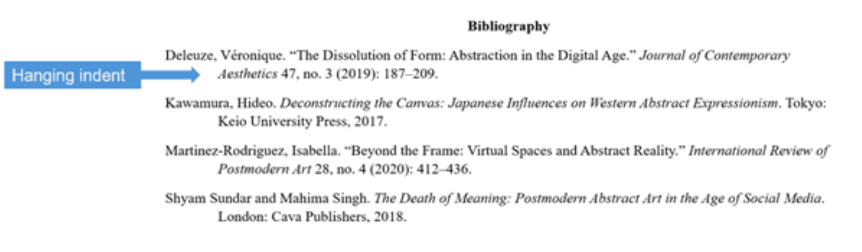
- Ensure consistency in formatting across all references, including font style, spacing, and indentation.
- Cross-reference each citation with original source materials or official style examples for verification.
Integrating this checklist into the review process fosters meticulous validation, reduces errors, and enhances the scholarly quality of references produced with AI assistance.
Examples of Chicago Style References Produced by AI
Showcasing AI-generated examples of Chicago Style references enhances understanding of proper citation formats across diverse source types. These sample references demonstrate how AI can accurately replicate the nuanced requirements of Chicago Style, ensuring consistency and correctness in academic and professional writing. By examining actual examples, users can better appreciate how AI adapts to the specific conventions for books, journal articles, and websites.
Below are representative references generated by AI for different source categories, organized in structured HTML tables for clear comparison. These examples illustrate the variations in formatting based on source type, citation details, and the inclusion of elements such as authors, publication dates, and access information. They serve as practical models to guide users in producing accurate Chicago Style references with AI assistance.
AI-Generated Chicago Style Book, Journal Article, and Website References
| Source Type | Sample Reference | Description |
|---|---|---|
| Book |
|
Author’s name, book title in italics, publication city, publisher, and year follow Chicago’s author-date format for a print book. |
| Journal Article |
|
Includes author, article title in quotation marks, journal name in italics, volume, issue, year, page range, and digital object identifier (DOI). |
| Website |
|
Corporate author or website name, webpage title in quotation marks, access date, and URL for online sources. |
These examples demonstrate how AI can adapt to different source types, accurately incorporating the required elements such as authorship, titles, publication details, and online access information. Users can utilize these templates to verify and customize their references, ensuring adherence to Chicago Style conventions across various research materials.
Best Practices for Enhancing AI-Generated Citations
Ensuring the accuracy and consistency of AI-generated citations is essential for maintaining scholarly integrity and facilitating seamless referencing. By adopting effective strategies when inputting source details and customizing outputs, users can significantly improve the quality of references produced by AI tools. Additionally, maintaining uniformity across multiple citations enhances the professionalism and readability of academic or professional documents.To optimize AI performance in generating Chicago style references, it is crucial to provide comprehensive and precise source information.
Proper customization based on source types ensures that the references conform to the specific formatting nuances of Chicago style. Moreover, implementing consistent formatting practices across all references fosters clarity and reduces the likelihood of errors.
Providing Comprehensive Source Details for Optimal AI Output
The foundation of accurate AI-generated citations lies in the quality and completeness of the input data. Precise source details enable the AI to produce correctly formatted references that adhere to Chicago style standards. When submitting source information, consider including the following elements:
- Author’s full name, including middle initials or names if available
- Complete title of the work, including subtitles
- Publication year and date of publication
- Publisher’s name and location (city, state, or country)
- Volume, issue, and page numbers for journal articles or periodicals
- Digital Object Identifier (DOI), URL, or access date for online sources
By providing these details, users help the AI accurately determine the appropriate citation components, reducing errors and the need for extensive manual corrections.
Customizing AI Explanations for Specific Source Types
Different source types in Chicago style possess unique citation requirements. Customization involves tailoring the AI prompts to specify the source type clearly, guiding the AI to generate appropriate formatting. For example, indicating whether a source is a book, journal article, website, or government report will influence the structure and required elements of the citation.Effective methods include:
- Explicitly stating the source type at the beginning of the prompt to the AI
- Including specific instructions on formatting details, such as the placement of italics or quotation marks
- Providing sample citations for similar sources to serve as templates
This approach ensures that AI outputs are customized to meet the nuanced requirements of each source type, resulting in more accurate and contextually appropriate references.
Tips for Maintaining Consistency Across Multiple References
Consistency in referencing not only improves the professionalism of a document but also prevents confusion and possible accusations of plagiarism. When generating multiple citations, consider the following practices:
- Develop a standardized input template for source details to ensure uniformity
- Use the same formatting instructions and prompts for similar source types
- Regularly review and manually verify AI-generated references for adherence to Chicago style guidelines
- Employ reference management tools or style checkers to compare and harmonize citations
- Maintain a style guide or checklist that Artikels preferred formatting conventions for all references
Applying these strategies helps create a cohesive and accurate reference list, reinforcing the credibility of the work and simplifying the editing process for future revisions.
Troubleshooting Common Issues in AI-Generated References
While AI tools have significantly streamlined the process of generating Chicago style references, users may encounter various issues such as incomplete, inaccurate, or improperly formatted citations. Addressing these challenges is essential to ensure the credibility and accuracy of scholarly work. Understanding common problems and their solutions allows users to effectively troubleshoot and optimize AI-generated references, maintaining high standards of academic integrity.
Most issues stem from limitations in AI understanding, input inaccuracies, or misconfigurations within the AI system. Recognizing these root causes helps in implementing targeted solutions. This section provides a comprehensive troubleshooting guide that Artikels typical problems faced when generating Chicago style references, along with practical fixes and reconfiguration tips to enhance accuracy and reliability.
Inaccurate or Incomplete Citations
One of the most frequent challenges involves AI output that lacks essential citation components or contains factual inaccuracies. Common examples include missing author names, incorrect publication dates, or incomplete titles. Such inaccuracies can compromise the credibility of your reference list and lead to potential academic misconduct.
To address these issues, it is vital to verify the input data provided to the AI, ensuring that all source details are accurate and complete. When inaccuracies are detected, re-enter the source information with clear, standardized data formats, and specify which elements are most critical for the Chicago style. Additionally, cross-reference the generated citation against authoritative sources, such as the Chicago Manual of Style, to identify and correct discrepancies.
Steps to Reconfigure AI Settings for Better Accuracy
Optimizing AI performance involves fine-tuning configuration settings and input strategies to improve citation quality. Implementing the following steps can significantly enhance the accuracy of AI-generated references:
- Specify the Citation Style Explicitly: Clearly indicate that the output should follow the Chicago Manual of Style guidelines. Many AI tools allow style-specific prompts that help tailor the result.
- Use Detailed Source Descriptions: Provide comprehensive information including author names, publication dates, titles, journal or publisher details, and DOI or URL. The more precise the input, the better the AI’s output.
- Adjust Input Templates: Create standardized input templates that ensure consistency across sources, reducing ambiguity and misinterpretation.
- Implement Feedback Loops: Review initial outputs critically, then refine your prompts or input data based on observed errors. Iterative feedback enhances the AI’s learning and output precision.
Ensuring detailed, accurate input data combined with explicit style instructions is key to obtaining high-quality, reliable references from AI systems.
Organizing a Troubleshooting Guide for Typical Problems
A structured approach to troubleshooting involves identifying common AI output issues and applying targeted fixes. The table below summarizes frequent problems along with their causes and recommended solutions:
| Problem | Cause | Solution |
|---|---|---|
| Missing author names | Insufficient source details or unclear input | Ensure the input explicitly includes author information and use prompts specifying author inclusion |
| Incorrect publication dates | Ambiguous or outdated source data | Verify source details, update outdated information, and specify the date in your prompt |
| Inconsistent formatting | Style misconfiguration or vague instructions | Explicitly specify Chicago style formatting and review output for consistency |
| Incomplete citation components | Partial source input or AI misunderstanding | Provide comprehensive source data and use explicit prompts for all citation elements |
| Incorrect source type adaptation | AI not recognizing source type (book, article, website) | Specify the source type clearly and include relevant metadata (e.g., journal volume, issue, URL) |
Regularly reviewing and updating your input strategies and configuration settings will help in minimizing these issues over time. Employing a systematic troubleshooting approach ensures that AI-generated references meet scholarly standards and reduces the need for extensive manual corrections.
Closure
In conclusion, harnessing AI for generating Chicago style references presents a valuable solution for researchers and students seeking accuracy and efficiency. Through organized procedures, validation techniques, and best practices, users can confidently produce reliable citations that meet academic standards. Embracing this technology ultimately enhances the quality and credibility of scholarly work, making the referencing process both manageable and precise.