Discovering how to summarize research with AI opens new avenues for efficiently condensing complex information into clear and concise summaries. This process leverages advanced algorithms to interpret vast amounts of research data, making it accessible for academics, professionals, and researchers alike. Understanding these methods can significantly accelerate literature review processes and enhance research workflows.
This guide explores the fundamental steps involved, the tools available, best practices for optimizing results, and how to verify AI-generated summaries to ensure accuracy and usefulness. Embracing AI-driven research summarization offers a powerful advantage in managing the ever-growing body of scientific knowledge.
Understanding the Process of Summarizing Research with AI
Leveraging artificial intelligence to condense extensive research data into concise summaries has become an essential practice in modern academia and industry. This process involves multiple stages where AI systems interpret complex research information and transform it into clear, manageable summaries. Understanding these fundamental steps enhances the effective utilization of AI tools for research synthesis, saving time and improving clarity in communication.
The process of summarizing research with AI can be broken down into distinct phases, each critical to ensuring accurate and meaningful output. These phases include data ingestion, preprocessing, interpretation, extraction, and finally, summarization. Each stage involves sophisticated algorithms that enable AI to understand and distill research content, regardless of its complexity or domain specificity.
Stages from Input to Summarized Output
The flowchart below illustrates the sequential stages an AI system follows to generate research summaries:
| Stage | Description |
|---|---|
| Input Collection | Gathering research data through documents, PDFs, published articles, or datasets. This initial step involves importing raw research information into the AI system. |
| Preprocessing | Cleaning and formatting the input data. This includes tasks such as removing irrelevant information, normalizing text, and converting data into machine-readable formats to facilitate further analysis. |
| Interpretation and Understanding | Applying natural language processing (NLP) techniques to parse the research content. The AI identifies key concepts, terminologies, and relationships, establishing a contextual understanding of the material. |
| Information Extraction | Utilizing algorithms to pinpoint critical details such as hypotheses, methodology, results, and conclusions. This step often involves entity recognition and relationship mapping. |
| Summarization | Transforming the extracted information into a coherent, condensed summary. This can be achieved through extractive methods (selecting key sentences) or abstractive techniques (generating new concise text that captures essential points). |
| Output Generation | Delivering the final summarized version in a user-friendly format, ready for review, sharing, or further analysis. The output aims to retain the core insights of the original research while reducing verbosity. |
Understanding these stages clarifies how AI systems effectively process vast research data, enabling researchers and professionals to quickly grasp essential findings and implications without wading through extensive documents. The combination of advanced NLP models and machine learning algorithms ensures that summaries are both accurate and meaningful, supporting efficient decision-making and knowledge dissemination.
Techniques and methods for effective AI-driven research summarization
As technological advancements continue to evolve, leveraging AI for research summarization has become an essential tool for efficiently distilling complex scholarly work. Understanding the various techniques and methods empowers researchers, students, and professionals to produce concise, accurate, and insightful summaries that facilitate knowledge dissemination and decision-making.
Effective AI-driven research summarization involves selecting appropriate algorithms, preparing input data meticulously, and applying best practices to optimize output quality. By utilizing a combination of cutting-edge models and structured workflows, users can enhance the reliability and relevance of generated summaries, ultimately accelerating research productivity and comprehension.
Comparison of AI algorithms used for research summarization
Different AI algorithms possess unique strengths and limitations depending on the complexity of research texts and the desired depth of summaries. The following table provides a comparative overview of popular models employed in research summarization tasks:
| Algorithm | Type | Strengths | Limitations | Typical Use Cases |
|---|---|---|---|---|
| Transformer-based models (e.g., BART, T5) | Deep learning, encoder-decoder transformers | Highly coherent summaries, contextual understanding, adaptable to multiple tasks | Require extensive computational resources, may need fine-tuning for specific domains | Abstractive summarization of lengthy research articles, systematic reviews |
| Extractive models (e.g., TextRank, LexRank) | Graph-based algorithms | Simple, fast, preserves original phrasing, suitable for extracting key sentences | May produce disjointed summaries, less coherent overall | Quick summarization of abstracts, identifying main points from research papers |
| Hybrid models | Combination of extractive and abstractive approaches | Balances coherence with fidelity, customizable | Complex implementation, may require tuning of multiple components | Detailed summaries where accuracy and fluency are both critical |
| Reinforcement learning-based models | Deep learning with reward-based training | Improves summary quality based on feedback, adaptable | Training complexity, data-intensive | Domain-specific summarization tasks, continuous learning scenarios |
Step-by-step procedures to prepare research articles for AI processing
Preparing research articles effectively ensures that AI algorithms can analyze and summarize content accurately. A systematic approach minimizes errors and enhances the quality of summaries.
- Collect high-quality research articles: Obtain complete, well-formatted PDFs or digital documents from reputable sources such as academic journals or open repositories.
- Convert documents into machine-readable format: Use OCR tools if necessary, ensuring that text is accurately extracted without losing formatting or meaning.
- Clean the extracted text: Remove irrelevant sections such as headers, footnotes, advertisements, or references unless specifically required for context.
- Segment the content logically: Divide the article into sections such as abstract, introduction, methodology, results, and conclusion to facilitate targeted summarization.
- Standardize formatting: Ensure consistent use of headings, bullet points, and paragraph breaks to aid AI understanding.
- Annotate or highlight key sections: If possible, mark essential parts like hypothesis statements, major findings, or conclusions to guide the AI in focusing on crucial content.
- Convert to compatible input formats: Save the cleaned and formatted text in plain text, JSON, or other suitable formats compatible with the selected AI model or platform.
Best practices to optimize research input for accurate summaries
Maximizing the effectiveness of AI summarization requires careful input management. Implementing these best practices can significantly improve the relevance and clarity of the generated summaries:
- Use clear and concise language in the input text to avoid ambiguity.
- Exclude extraneous information such as references, acknowledgments, and repetitive content unless they are critical to the summary.
- Provide context by including section headings or labels to help the AI distinguish different parts of the research.
- Limit input length according to the model’s capabilities to prevent truncation or loss of vital information.
- Incorporate domain-specific terminology consistently, which helps the AI better interpret technical content.
- When available, supply metadata such as s, s density, or abstracts to guide the summarization process.
- Perform iterative refinement: generate initial summaries, review for accuracy, and adjust input text or parameters accordingly.
- Leverage model fine-tuning on domain-specific data to enhance relevance and reduce generic outputs, especially for specialized research areas.
Tools and platforms leveraging AI for research summarization
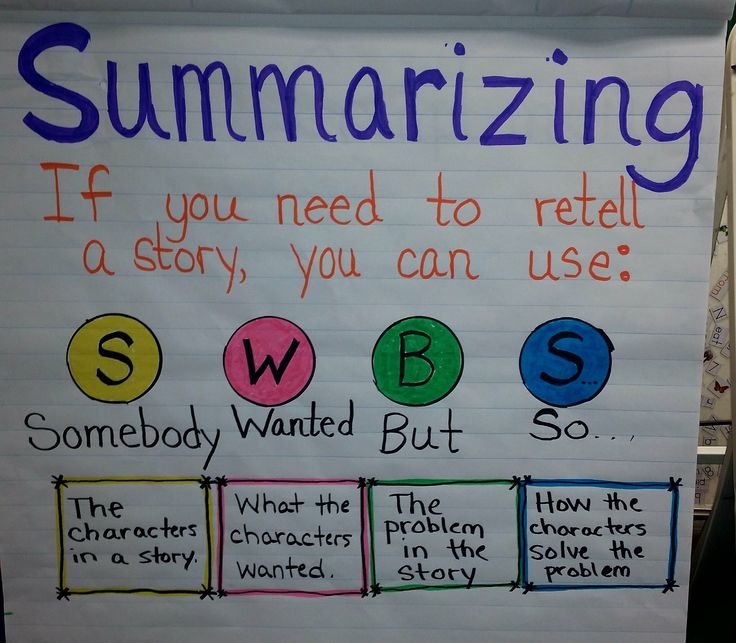
In the realm of academic and professional research, the integration of AI tools has revolutionized the way scholars and professionals synthesize large volumes of information. These platforms empower users to generate concise, accurate summaries of complex research documents, significantly reducing the time and effort required for literature review and data analysis. The selection of an appropriate AI platform depends on the specific research formats and the depth of summarization needed, making it essential to understand the capabilities and limitations of available tools.
Various AI-powered research summarization tools have emerged, each designed to cater to diverse research needs, from handling different document formats to supporting collaborative workflows. These platforms often incorporate advanced natural language processing (NLP) techniques such as semantic understanding, context preservation, and multi-language support, enabling them to deliver high-quality summaries tailored to user requirements. Understanding the key features of these tools facilitates informed choices that enhance research efficiency and accuracy.
Prominent AI tools and platforms for research summarization
Below is an overview of some leading AI tools that are widely used for research summarization, highlighting their core features, supported research formats, and unique strengths:
| Tool/Platform | Key Features | Supported Research Formats | Limitations |
|---|---|---|---|
| ScholarSense AI | Semantic understanding, customizable summaries, multi-language support | PDF, DOCX, TXT, HTML | Requires subscription; limited offline capabilities |
| ResearchSummarizer Pro | Automatic key point extraction, integration with reference managers, user-friendly interface | PDF, BibTeX, XML | Less effective with highly technical language; limited free access |
| SummarizeBot | Multimodal input support, quick summarization, API integration | Web pages, PDFs, images, audio transcripts | Basic free tier; less customization options |
| AIResearcher | Deep contextual analysis, collaborative features, supports large documents | PDF, DOCX, PowerPoint, HTML | High computational resource needs; cost considerations |
| Resumify | Concise abstracts, citation-aware summaries, multi-document processing | PDF, DOCX, TXT | Limited integration with some research databases; may require API setup |
These platforms vary in their approach, user interface, and integration options, making it important to assess specific research needs when selecting a tool. Some platforms excel in handling particular formats or languages, while others offer extensive integration capabilities with research databases and reference managers.
Integration of research databases with AI summarizers
Incorporating research databases into AI summarization workflows enhances efficiency by automating the retrieval and processing of relevant documents. This integration typically involves establishing seamless connections between research repositories and AI tools through APIs or dedicated plugins. Such integration enables real-time access to a vast array of scholarly articles, conference papers, and technical reports, which can then be immediately summarized and analyzed.
The process generally begins with configuring the AI platform to connect with research databases like PubMed, IEEE Xplore, or arXiv. This may involve API key setup, defining search parameters, and specifying document formats for retrieval. Once integrated, users can execute automated searches within their research scope, select pertinent documents, and generate summaries without manually downloading or converting files. This streamlined approach significantly accelerates literature review processes, supports systematic reviews, and promotes comprehensive understanding of rapidly evolving research fields.
Moreover, some platforms offer built-in connectors to popular research management tools such as Zotero or Mendeley, facilitating organized workflows. The integration process requires ensuring compatibility between the research database’s API specifications and the AI platform’s capabilities, often involving some initial technical setup. As a result, researchers benefit from a more dynamic and responsive summarization environment that adapts to ongoing research needs with minimal manual intervention.
Challenges and limitations in AI-based research summarization
While AI has significantly enhanced the efficiency of research summarization, several challenges and limitations remain that can impact the accuracy and reliability of generated summaries. Recognizing these issues is essential for researchers and practitioners to effectively leverage AI tools while maintaining high-quality outputs. Understanding these constraints also highlights the importance of complementing AI-driven approaches with human oversight to ensure comprehensive and precise research summaries.
AI-based research summarization faces several inherent challenges, including difficulties in interpreting complex scientific language, maintaining contextual nuance, and accurately capturing the essence of multifaceted studies. These limitations can sometimes result in incomplete or skewed summaries, which may affect subsequent research decisions or policy formulations. Addressing these obstacles requires awareness of potential pitfalls and implementing strategies to mitigate errors, ensuring AI remains a valuable aid rather than a sole authority in research synthesis.
Common issues faced when summarizing complex research using AI
Complex research articles often contain dense technical terminology, multi-layered hypotheses, and extensive data that challenge AI algorithms’ understanding and processing capabilities. These issues can lead to the loss of critical details or misinterpretation of key findings during the summarization process. Additionally, AI models may struggle with integrating information across different sections of a paper, such as methods, results, and conclusions, which are essential for a comprehensive overview.
The following points highlight typical issues encountered:
- Lack of contextual comprehension: AI may misinterpret technical jargon or specialized terminology due to limited domain-specific training data, leading to inaccuracies.
- Inability to grasp nuanced meanings: Subtle distinctions in scientific arguments or assumptions can be overlooked, resulting in overly simplified summaries.
- Data overload and noise: Large volumes of data, figures, and supplementary information can overwhelm AI models, causing important details to be omitted or misrepresented.
- Bias in training data: AI systems trained on limited or biased datasets may generate summaries that favor certain perspectives or omit dissenting findings.
Potential inaccuracies and mitigation strategies
Despite advancements, AI-generated summaries are susceptible to inaccuracies stemming from misinterpretations, incomplete data processing, or overgeneralization. These inaccuracies can compromise the credibility of research synthesis, especially when used for decision-making or policy development. Implementing robust mitigation strategies is crucial to enhance accuracy and reliability:
- Human review and validation: Incorporate expert scrutiny of AI summaries to identify and correct errors, ensuring technical correctness and contextual integrity.
- Training on domain-specific datasets: Utilize specialized corpora equipped with annotated scientific terminology and concepts to improve AI understanding of complex research language.
- Iterative refinement: Employ feedback loops where AI outputs are reviewed, corrected, and used to retrain models, progressively enhancing performance over time.
- Confidence scoring: Use AI systems that provide confidence levels for their summaries, allowing users to prioritize manual review for low-confidence outputs.
“AI summaries should serve as preliminary drafts, with human experts conducting final validation to ensure precision and depth.”
Scenarios where AI summarization may fall short and manual review procedures
Although AI provides substantial benefits in efficiency, certain scenarios highlight its limitations, necessitating manual intervention. These situations often involve highly specialized or critical information where errors can lead to significant consequences. Recognizing these contexts helps in designing appropriate review protocols:
- Breakthrough scientific discoveries: Novel findings with minimal prior data may not be adequately captured by AI, requiring expert interpretation to understand implications fully.
- Multidisciplinary research: Studies spanning multiple fields can contain jargon and concepts unfamiliar to general AI models, increasing the risk of misinterpretation.
- Policy-influencing research: Summaries used to inform policy decisions demand the highest accuracy, with manual review ensuring that nuanced ethical, legal, or societal considerations are appropriately addressed.
- Complex data integration: Research involving large datasets, advanced statistical methods, or intricate experimental designs benefit from human oversight to verify the correctness and completeness of summaries.
In such cases, implementing structured manual review procedures involves cross-checking AI-generated summaries against the original text, consulting domain experts, and employing iterative validation processes. These steps safeguard against potential inaccuracies and enhance the overall quality of research syntheses, ensuring that critical insights are accurately conveyed and appropriately contextualized.
Best Practices for Verifying and Refining AI-Generated Research Summaries
Ensuring the accuracy, clarity, and completeness of AI-generated research summaries is crucial for maintaining the integrity of scholarly communication. While AI tools can significantly streamline the summarization process, human oversight remains essential to verify and improve the outputs. Implementing structured verification methods and refinement techniques helps produce reliable and high-quality summaries that effectively serve research needs.A systematic approach to verification and refinement involves cross-checking AI-generated summaries against original research content, editing for clarity, and establishing evaluation criteria.
These practices safeguard against potential inaccuracies and ensure that summaries align with the original research’s intent and findings.
Cross-Checking AI Summaries Against Original Research Content
Accurate verification starts with detailed comparison methods to ensure that the AI summary faithfully reflects the original research. Structured tables provide an effective framework for this process.
| Verification Aspect | Method | Example |
|---|---|---|
| Key Findings | Compare summarized conclusions with original results section | AI summary states “Treatment X reduces symptoms by 30%” — verify with the original data table and statistical analysis |
| Methodology | Check that the research methods described match those in the original paper | Summary mentions “double-blind randomized controlled trial”; cross-check methods section for confirmation |
| Limitations | Ensure limitations noted in the summary correspond with those discussed in the original research | If the summary omits certain limitations, add these during refinement |
| Data Accuracy | Validate numerical data and statistical results presented in the summary against original figures | Verify that reported p-values and confidence intervals are correctly transcribed |
| Contextual Details | Check that contextual or background information aligns with the research’s scope and objectives | Ensure the summary accurately captures the research’s scope without overgeneralizing |
Techniques for Editing and Enhancing AI-Produced Summaries
Refining AI-generated summaries involves editing for clarity, coherence, and completeness. Applying targeted techniques improves the readability and utility of these summaries for research applications.
Key techniques include:
- Clarification of Technical Terms: Simplify or define specialized terminology to enhance understanding while preserving accuracy.
- Conciseness and Focus: Remove redundant or less relevant information to emphasize core findings and insights.
- Logical Flow and Coherence: Rearrange sentences and sections to ensure a natural progression of ideas and a cohesive narrative.
- Adding Context or Explanation: Incorporate brief explanations or background information where necessary to clarify complex concepts.
- Consistency in Terminology: Use uniform terminology throughout the summary to prevent confusion.
- Addressing Omissions: Identify and fill gaps in the summary, such as missing key results or limitations, to improve completeness.
For example, if an AI summary states that “the intervention improved outcomes,” but lacks quantitative data, it can be expanded to specify, “the intervention resulted in a 25% improvement in patient recovery rates, as measured by standardized assessment tools.”
Criteria for Evaluating the Quality and Accuracy of AI-Generated Research Summaries
Establishing clear evaluation criteria ensures consistent quality control of AI-produced summaries. These criteria serve as benchmarks for assessing whether a summary is reliable, comprehensive, and useful.
- Accuracy: All factual information, statistics, and data accurately reflect the original research findings.
- Completeness: The summary covers all essential aspects, including objectives, methods, key results, and limitations.
- Clarity: The language is precise, concise, and free from ambiguity or unnecessary jargon.
- Coherence: The summary presents ideas in a logical sequence, facilitating easy comprehension.
- Conciseness: Information is presented succinctly, avoiding excessive detail that may obscure main points.
- Objectivity: The summary remains unbiased, faithfully representing the original research without subjective interpretation.
- Format and Structure: The use of headings, tables, and formatting is appropriately employed to enhance readability and organization.
“Implementing rigorous verification processes and clear evaluation criteria ensures AI-generated research summaries maintain high standards of accuracy and usefulness, ultimately supporting more reliable scientific communication.”
Practical Applications of AI Research Summarization in Academic and Professional Settings
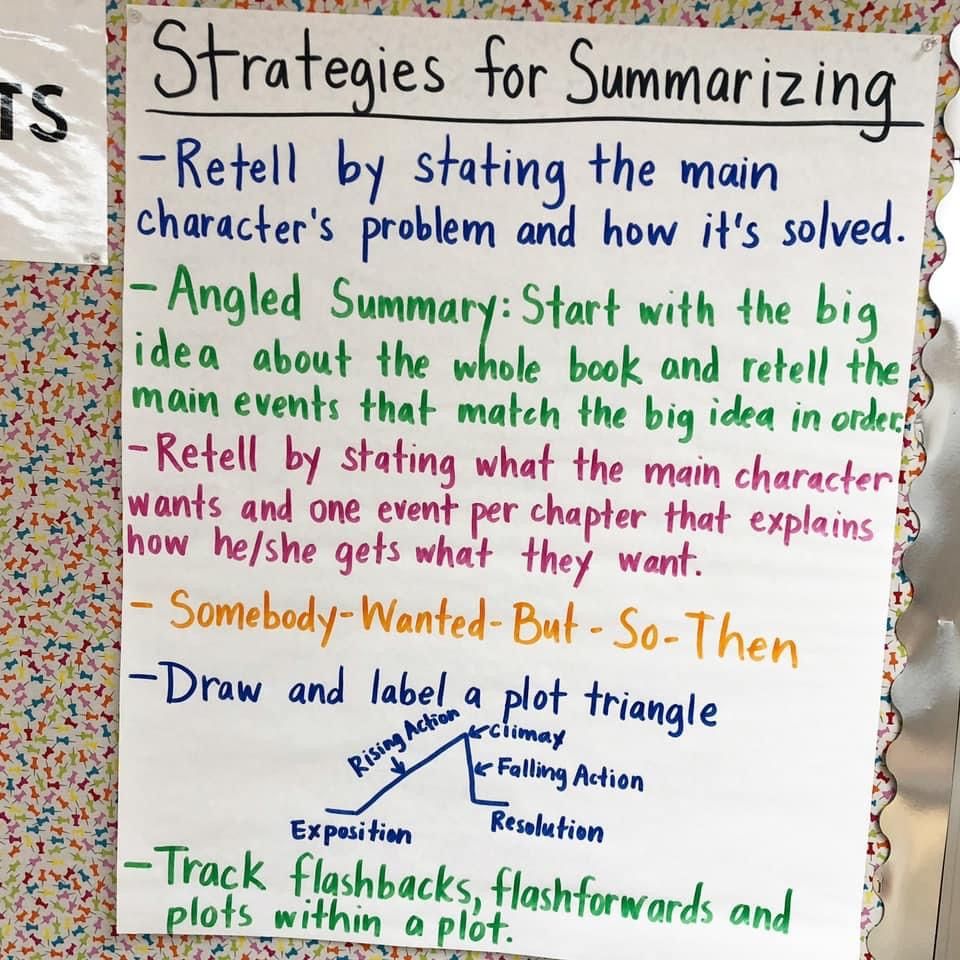
Leveraging AI-powered research summarization tools has transformed how scholars and professionals engage with extensive scientific literature. These applications streamline workflows, enhance decision-making, and foster innovative insights by enabling rapid digestion of complex research data. As AI continues to evolve, its integration into academic and industry environments offers unprecedented efficiencies and strategic advantages.
In practical terms, AI summarizations facilitate quicker literature reviews, support comprehensive research syntheses, and enhance project management processes. By automating the extraction of key findings and trends from vast datasets, AI empowers researchers and professionals to stay abreast of emerging developments and make informed decisions with greater confidence. The following examples and strategies illustrate these impactful applications.
Accelerating Literature Reviews and Research Synthesis
AI-driven research summarization significantly reduces the time and effort required to conduct comprehensive literature reviews. Instead of manually reading hundreds of papers, researchers can utilize AI tools to generate concise summaries that highlight the core contributions, methodologies, and outcomes. This acceleration allows for more efficient identification of relevant studies and emerging themes, ensuring that researchers remain current in their fields.
For instance, an academic team exploring novel cancer treatments might employ AI to analyze thousands of recent publications, extracting key insights on gene expression patterns, therapeutic targets, and clinical trial outcomes. The AI summaries enable the team to rapidly synthesize the state of the art, identify gaps, and formulate new research hypotheses.
Integrating AI Summaries into Project Management Workflows
Effective integration of AI research summaries into project management enhances collaboration, planning, and tracking of research activities. A typical workflow could involve the following steps:
First, AI tools automatically generate summaries of relevant literature, datasets, or ongoing studies. These summaries are then imported into project management platforms such as Trello, Asana, or Jira, where they are linked to specific tasks or milestones. Team members can access summarized insights directly within their project dashboards, facilitating quick decision-making and prioritization.
| Workflow Step | Description | Tools Involved |
|---|---|---|
| Literature Collection | Identify and gather relevant research articles using AI-powered search engines. | Semantic Scholar, Connected Papers, Google Scholar AI features |
| Summarization Generation | Apply AI tools to create concise summaries of the collected literature. | ResearchRabbit, Elicit, Scholarcy |
| Integration into Project Management | Upload summaries into project management tools and link with related tasks. | Jira, Trello, Asana, Notion |
| Review & Decision-Making | Team reviews summaries within the platform to guide research directions. | Platform-specific comment and collaboration features |
Training Research Teams for Effective Use of AI Summarization
To maximize the benefits of AI-based research summarization, it is essential to train teams effectively. Training strategies should focus on developing familiarity with AI tools, understanding their capabilities and limitations, and fostering best practices for interpretation.
Workshops and hands-on sessions can demonstrate how to select appropriate AI summarization platforms, customize output for specific domains, and integrate summaries into existing workflows. Emphasizing critical evaluation of AI-generated summaries ensures that teams verify key points and avoid over-reliance on automated outputs. Providing resources such as user manuals, best practice guidelines, and ongoing support encourages continuous learning and adaptation.
Additionally, fostering a culture of collaboration around AI tools enhances shared understanding and consistent application, leading to more reliable and insightful research syntheses across teams and disciplines.
Final Thoughts
In conclusion, mastering how to summarize research with AI can transform the way research is processed and utilized. By understanding the techniques, leveraging the right tools, and applying best practices for verification, users can achieve accurate, efficient, and insightful summaries that support academic and professional endeavors. Embracing these advancements paves the way for more streamlined and impactful research management.