Understanding how to improve the structure of literature reviews with AI opens new avenues for researchers seeking clarity and coherence in their scholarly work. Integrating advanced AI tools into the review process not only streamlines the organization of vast amounts of research but also enhances the depth and clarity of the analysis. This approach facilitates the identification of thematic clusters, improves logical flow, and supports effective summarization, making the review more insightful and accessible for readers.
By leveraging AI algorithms for categorization, thematic mapping, and visual organization, researchers can elevate the quality of their literature reviews. These methods help in aligning the structure with academic standards while addressing common challenges such as source misclassification and coherence issues. The integration of visual aids and structured tables further enriches the presentation, leading to more comprehensive and compelling reviews.
Overview of Enhancing Literature Reviews Using AI

Integrating Artificial Intelligence (AI) into the literature review process presents significant opportunities to improve the efficiency, accuracy, and structural coherence of scholarly syntheses. AI tools can assist researchers in organizing vast amounts of research data, systematically identifying key themes, and generating comprehensive overviews with minimal manual intervention. By leveraging advanced algorithms, researchers can produce more precise and dynamic literature reviews that adapt to emerging trends and complex data structures.
Effective application of AI in literature reviews involves adopting specific methodologies for algorithm selection, thematic clustering, and structural organization. These methods not only streamline the review process but also enhance the depth and clarity of scholarly insights. Carefully selecting AI algorithms tailored to research objectives ensures optimal performance, while automated thematic identification can reveal hidden connections and overarching patterns within a large corpus of research articles.
Methods for Integrating AI Tools into the Literature Review Process
Successfully utilizing AI tools requires a strategic approach to incorporate them into each stage of the literature review. This includes pre-processing research data, employing natural language processing (NLP) techniques for content analysis, and utilizing visualization tools for better structural organization.
- Pre-Processing and Data Preparation: AI applications often require cleaning and formatting data to enhance algorithm performance. Techniques such as tokenization, stop-word removal, and stemming are employed to standardize textual data, making it suitable for analysis.
- Natural Language Processing (NLP) for Content Analysis: NLP algorithms, including sentiment analysis, entity recognition, and topic modeling, facilitate the extraction of meaningful information from research articles. These methods enable the automatic summarization of content and identification of relevant themes.
- Visualization and Structural Mapping: AI-powered visualization tools, such as semantic networks or cluster maps, help in organizing research themes and establishing connections between different studies, making the review more comprehensible and systematically structured.
Procedures for Selecting AI Algorithms Suitable for Literature Synthesis
Choosing appropriate AI algorithms is crucial for effective literature synthesis. The selection process should be guided by the nature of the research data, the specific goals of the review, and the desired level of automation. The following procedures can aid in making informed choices:
- Assess Research Data Characteristics: Evaluate the volume, complexity, and type of data to determine the suitability of various algorithms. For textual data, NLP-based models such as Latent Dirichlet Allocation (LDA) for topic modeling are often preferred.
- Align with Research Objectives: Clearly define the goals of the review—whether it’s thematic mapping, trend analysis, or gap identification—and select algorithms accordingly. For example, clustering algorithms like K-means are effective for grouping similar research papers.
- Evaluate Algorithm Performance and Interpretability: Consider the accuracy, computational efficiency, and transparency of AI models. Algorithms with explainability, such as Decision Trees or rule-based systems, facilitate better understanding and validation of the results.
- Test and Validate: Pilot test selected algorithms on a subset of data to assess their performance. Use metrics such as coherence scores for topic models or silhouette scores for clustering to evaluate effectiveness before full deployment.
Techniques for Automating the Identification of Thematic Clusters within Research Articles
Automated identification of thematic clusters allows researchers to uncover underlying research domains and organize literature efficiently. This process involves several advanced techniques leveraging AI and machine learning, which can handle large datasets with minimal manual input.
Key techniques include:
- Topic Modeling: Algorithms like Latent Dirichlet Allocation (LDA) decompose large text corpora into a set of topics characterized by groups of co-occurring words. This method helps in discovering prevalent themes across research articles and provides a hierarchical understanding of research landscapes.
- Clustering Algorithms: Methods such as K-means, hierarchical clustering, or DBSCAN group research papers based on semantic similarity. These algorithms analyze vectorized representations of text, such as TF-IDF or word embeddings, to organize articles into meaningful clusters.
- Embedding Techniques: Utilizing word or document embeddings like Word2Vec, GloVe, or BERT transforms textual data into dense vector representations. These embeddings capture contextual nuances, enabling more accurate clustering and thematic analysis.
- Visualization of Clusters: AI-driven visualization tools, including t-SNE or UMAP, project high-dimensional data into 2D or 3D space. This facilitates the intuitive interpretation of thematic clusters and their relationships within the research corpus.
Implementing these techniques automates the discovery of core research themes, provides a macro-level view of the literature landscape, and supports more structured and comprehensive literature reviews.
Techniques for Structuring Literature Reviews with AI
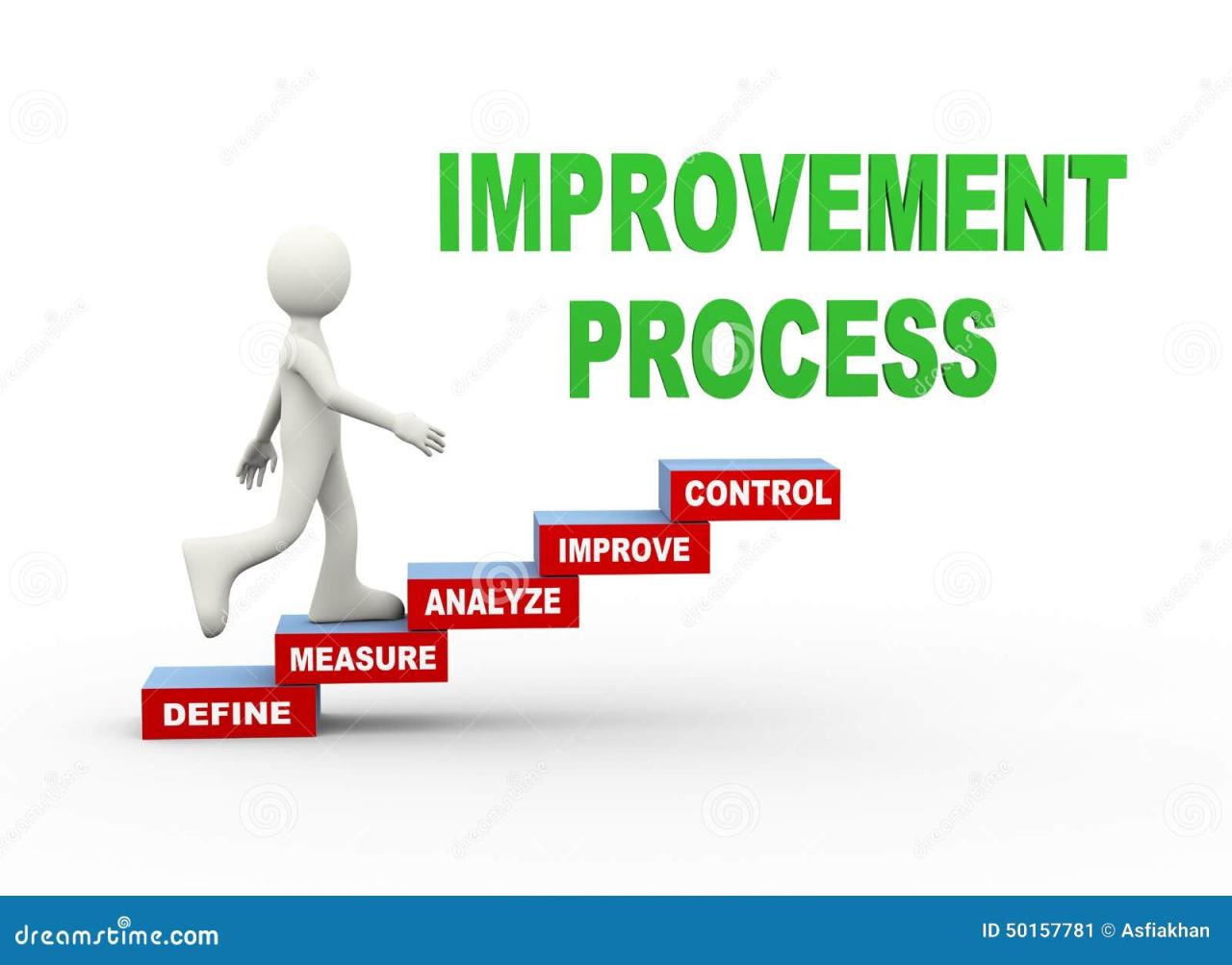
Effective organization of literature reviews is crucial for clarity, coherence, and scholarly rigor. Leveraging AI tools can significantly streamline the process of categorizing and structuring sources, enabling researchers to produce comprehensive and well-organized reviews. This section explores practical techniques for utilizing AI to organize and present literature reviews in a manner aligned with academic standards and review objectives.
AI-driven approaches facilitate the systematic classification of sources, enhancement of clarity through structured formats, and alignment with scholarly expectations. Employing these techniques ensures that literature reviews are not only thorough but also accessible, logically organized, and capable of highlighting key concepts, methodologies, and findings with precision.
Utilizing AI to Categorize Sources into Coherent Sections
One of the foundational steps in structuring a literature review involves grouping sources into thematic or methodological categories. AI can automate this process by analyzing the content of each source and assigning it to relevant sections based on s, topics, or contextual similarities.
| Category | Description | Example | Implementation Tips |
|---|---|---|---|
| Thematic Grouping | Sources are grouped based on overarching themes or research questions. | Studies on “Artificial Intelligence in Healthcare” and “AI Ethics” | Use AI algorithms to extract s and cluster sources accordingly. |
| Methodological Classification | Sources are classified by research methods such as qualitative, quantitative, or mixed methods. | Empirical studies versus theoretical papers | Train AI models on labeled datasets to recognize methodological features. |
| Temporal Organization | Sources are ordered chronologically to reflect the development of ideas over time. | Historical progression of AI techniques from 1990s to present | Apply AI to extract publication years and cluster sources accordingly. |
| Relevance Filtering | Sources are prioritized based on relevance to review objectives. | High-impact papers or recent studies within a specified scope | Implement AI ranking algorithms based on citation metrics and relevance. |
Organizing Key Concepts, Methodologies, and Findings into Tabulated Formats
Presenting complex information in structured tables enhances clarity and allows for quick comparison. AI can assist in extracting and organizing key concepts, research methodologies, and main findings from multiple sources into cohesive tabular formats.
“Structured tables facilitate the identification of gaps, overlaps, and trends within the literature.”
By automating this process, researchers can focus on analyzing the synthesized data rather than manually organizing extensive information. AI tools can extract relevant details from full texts, summarize methodologies, and highlight significant findings, then compile these into comprehensive tables.
| Source | Key Concepts | Methodology | Main Findings |
|---|---|---|---|
| Smith et al. (2020) | Machine learning algorithms in diagnostic imaging | Quantitative analysis using neural networks | High accuracy in detecting early-stage tumors |
| Johnson (2018) | Ethical implications of AI deployment | Theoretical review and ethical frameworks | Need for transparent algorithms to ensure accountability |
| Lee & Kumar (2019) | Data privacy concerns in healthcare AI | Qualitative interviews with stakeholders | Identified key barriers to adoption related to patient trust |
Aligning AI-Generated Structures with Academic Standards and Review Objectives
While AI provides powerful tools for organizing literature, it is vital to ensure that the output aligns with the specific academic standards and the aims of the review. Effective practices include reviewing AI-generated structures for coherence, logical flow, and comprehensiveness, then refining as necessary.
It is recommended to set clear parameters and criteria within AI tools, such as defining thematic categories, scope, and depth of coverage, to ensure output meets review objectives. Additionally, cross-checking AI suggestions with manual oversight helps maintain scholarly rigor and contextual appropriateness.
“Combining AI efficiency with human expertise results in a balanced, high-quality literature review.”
Best practices also involve iterative refinement, where initial AI-generated structures are reviewed and adjusted based on feedback from subject matter experts or peer reviewers. This approach ensures that the final structure not only adheres to academic standards but also effectively guides readers through the reviewed literature.
Improving Coherence and Flow in Literature Reviews
Ensuring a smooth and logical progression of ideas within a literature review is essential for effectively communicating complex research narratives. Leveraging AI tools can significantly enhance this aspect by systematically analyzing relationships among sources and suggesting connections that might not be immediately apparent. This section explores procedures for employing AI to evaluate and improve the coherence and flow, providing frameworks for linking ideas seamlessly and visualizing relationships among studies to craft a cohesive narrative.
By integrating AI-driven analysis and visualization techniques, researchers can develop more structured, compelling literature reviews that guide readers through the progression of knowledge with clarity and logical rigor.
Analyzing Logical Progression of Arguments Using AI
AI algorithms can be utilized to examine the logical structure of arguments across multiple sources, identifying gaps, repetitions, and inconsistencies. This process involves several key steps:
- Textual embedding and semantic analysis: AI models, such as transformer-based architectures, can encode the semantic content of studies to understand their core arguments and thematic relevance.
- Argument flow detection: Natural language processing (NLP) techniques can track how authors build upon previous work, highlighting logical sequences or missing links.
- Similarity and divergence analysis: AI can compare arguments to identify overlapping claims or conflicting positions, providing insights into the coherence of the existing literature.
- Automated gap detection: AI tools can flag areas where logical progression is weak or incomplete, guiding reviewers to address these gaps for improved clarity.
This systematic approach enables reviewers to refine their narratives by ensuring each source logically connects to the next, creating a compelling and internally consistent review.
Frameworks for AI-Assisted Linking of Ideas and Themes
Developing frameworks that utilize AI for connecting related ideas enhances the narrative flow by establishing clear thematic bridges. Such frameworks involve:
- Theme extraction: AI models identify predominant themes and sub-themes within the literature, categorizing studies accordingly.
- Relationship mapping: Based on thematic similarities and shared concepts, AI suggests linkages between sources, highlighting how studies complement or contrast each other.
- Narrative scaffolding: AI-generated Artikels can propose logical sequences that integrate related studies, ensuring a cohesive thematic progression.
- Suggestion of transitional phrases: NLP tools can recommend appropriate linking phrases to improve readability and flow between ideas.
Implementing these frameworks results in a review that not only presents information comprehensively but also guides readers smoothly through a well-connected scientific discourse.
Templates for Visual Mapping of Relationships
Visual representations of relationships among studies aid in understanding complex interconnections and provide intuitive overviews. Designing templates for such mappings involves descriptive structures that can be easily generated by AI:
| Study/Source | Key Themes | Connections | Related Studies |
|---|---|---|---|
| Smith et al. (2020) | Machine Learning, Data Privacy | Builds on foundational models; Contrasts with privacy-preserving approaches | Johnson (2019), Lee (2021) |
| Johnson (2019) | Algorithm Efficiency | Extends previous work on optimization algorithms | Smith et al. (2020), Kim (2018) |
Descriptive templates like the above facilitate AI-driven visual mapping by providing structured formats that can be populated with source data. Alternatives include mind maps, network diagrams, or hierarchical trees, all designed to illustrate thematic clusters and the evolution of ideas across studies, thereby enhancing the transparency and coherence of the literature review.
AI-Driven Summarization and Synthesis

Utilizing artificial intelligence to condense extensive research findings into concise summaries plays a vital role in streamlining literature reviews. This process not only enhances clarity but also allows researchers to focus on critical insights without being overwhelmed by voluminous data. Effective implementation of AI-driven synthesis can significantly improve the coherence and depth of scholarly reviews, facilitating better understanding and knowledge dissemination across disciplines.
AI-driven summarization and synthesis involve leveraging advanced natural language processing (NLP) techniques to automatically extract key information from large sets of research articles. These methods help transform complex, lengthy texts into digestible summaries, making it easier to identify overarching themes, trends, and gaps within a body of literature. Moreover, synthesizing insights from multiple studies enables the creation of comprehensive narratives that highlight consensus, debates, and emerging directions in the field.
Condensing Large Volumes of Research into Concise Summaries
AI algorithms can analyze multiple research documents simultaneously, extracting essential data points such as objectives, methodologies, findings, and conclusions. Techniques like extractive summarization identify the most relevant sentences or phrases directly from the texts, while abstractive summarization generates new, coherent summaries that paraphrase core ideas. These processes are particularly effective when dealing with extensive reviews that encompass dozens or hundreds of studies, as they drastically reduce manual effort and potential bias.
To implement AI for summarization effectively, researchers should preprocess texts to ensure clarity and consistency, such as standardizing terminology and removing irrelevant information. Fine-tuning models on domain-specific datasets enhances the accuracy and relevance of summaries, especially in specialized fields like medicine or engineering. AI tools can be integrated into reference management platforms or manuscript preparation workflows to facilitate real-time summarization during the review process.
Organizing Synthesized Insights into Structured Paragraphs or Tables
After generating summaries, organizing the synthesized insights into well-structured paragraphs or tables enhances readability and comparability. Structured paragraphs should logically group related findings, emphasizing connections and contrasts across studies. Meanwhile, tables can systematically present key attributes such as study authors, sample sizes, methodologies, and core results, offering a quick reference for readers.
Utilizing tables allows for a clear visual comparison of research characteristics, revealing patterns and inconsistencies. For example, a table summarizing various clinical trials might list the intervention types, participant demographics, outcome measures, and principal findings, facilitating quick synthesis and analysis. Such formats support a more organized presentation of complex data, making the review more accessible and engaging.
Emphasizing Key Findings with Blockquotes
Incorporating blockquotes within literature reviews can effectively highlight particularly significant or groundbreaking findings generated by AI summaries. These visual cues draw the reader’s attention to pivotal insights, quotations, or overarching conclusions that merit special emphasis.
When integrating AI-derived key findings, place them within blockquotes and accompany them with brief contextual explanations. For example, a blockquote might showcase an AI-identified consensus statement, such as:
“Recent meta-analyses indicate a 20% improvement in patient outcomes with Intervention X over traditional methods.”
This approach underscores the importance of specific results and provides a clear focal point for the discussion. Properly formatted and contextualized blockquotes ensure that critical insights stand out, enhancing the overall coherence and impact of the literature review.
Addressing Common Challenges in Literature Review Structuring with AI
While AI technologies offer significant advantages in streamlining the process of structuring literature reviews, they also present certain challenges that require careful attention. Recognizing and effectively managing these issues is essential to ensure that AI-assisted reviews maintain academic rigor, clarity, and reliability. This section explores the prevalent problems encountered in AI-driven structuring and provides practical solutions to overcome them, emphasizing the importance of manual oversight and validation.
One of the primary challenges involves the risk of AI misclassification or misrepresentation of sources, which can compromise the integrity and accuracy of the literature review. Addressing these issues involves implementing strategies for refining AI outputs through human intervention, ensuring that the review aligns with scholarly standards. Additionally, establishing robust procedures for validating AI-generated structures against established review standards is critical for maintaining quality and consistency across research outputs.
Misclassification and Misrepresentation of Sources
AI algorithms, despite their advanced capabilities, can sometimes misclassify sources or assign inaccurate metadata due to limitations in training data or contextual understanding. For instance, an AI might categorize a qualitative study as quantitative or overlook key distinctions between research types, leading to potential misinterpretations. Such misclassification can distort the thematic structure of the review and undermine its credibility.
To mitigate these issues, it is vital to incorporate manual review processes where researchers verify the AI-assigned categories and source descriptions. Establishing clear guidelines for source classification and providing the AI with comprehensive training data can enhance its accuracy. Regularly updating the AI models with new, domain-specific information also helps in reducing errors over time.
Refining AI Outputs Through Manual Editing
Despite improvements in AI algorithms, manual editing remains indispensable for ensuring the coherence, depth, and academic rigor of literature reviews. Human oversight allows researchers to interpret nuanced contexts, correct misclassifications, and enhance the logical flow of information. By scrutinizing AI-generated structures, scholars can identify gaps or inconsistencies that automated systems might overlook.
Implementing a systematic editing process involves reviewing AI outputs in stages—initial assessment, targeted corrections, and final validation. Emphasizing collaborative workflows where AI handles preliminary structuring and human experts refine the content ensures a balanced approach that leverages technological efficiency without sacrificing quality. This practice ultimately results in a more coherent, comprehensive, and academically sound review.
Validating AI-Generated Structures Against Established Standards
Validation is a crucial step to ensure that AI-derived structures meet the rigorous criteria set by scholarly standards, such as clarity, logical progression, comprehensive coverage, and proper citation. Procedures for validation should include cross-referencing AI outputs with established framework guidelines, peer feedback, and consistency checks against domain-specific review templates.
One effective approach involves adopting a checklist that covers key aspects such as thematic coherence, source attribution accuracy, completeness of coverage, and logical flow. Additionally, conducting peer reviews on AI-generated drafts can reveal areas needing improvement and help calibrate the AI systems further. Incorporating quality assurance protocols, like version control and documenting manual interventions, ensures transparency and continuous enhancement of the AI-assisted review process.
Incorporating Visuals and Tables for Enhanced Clarity
Effective literature reviews often involve complex relationships, comprehensive data, and intricate structures that can challenge readers’ understanding. Incorporating well-designed visuals and data tables can significantly enhance clarity, facilitate better comprehension, and support the textual analysis. By systematically integrating visual aids, researchers can present concepts more intuitively and enable readers to grasp the overarching frameworks and detailed nuances simultaneously. The strategic use of visuals aligns with best practices in academic writing, ensuring that complex ideas are accessible and engaging.To maximize the benefits of visual aids, it is important to generate descriptive prompts that guide AI in creating accurate, informative, and visually appealing diagrams and tables.
These descriptions should specify the key elements, relationships, and data points to be illustrated, ensuring that the generated visuals are comprehensive and aligned with the review’s objectives.
Generating Descriptive Prompts for Visual Diagrams
Clear, detailed descriptions are crucial when instructing AI to produce visual diagrams that effectively illustrate review structures. These prompts should specify the types of diagrams (e.g., flowcharts, hierarchical diagrams, conceptual maps) and include explicit details on the components to be depicted. For example, a prompt might describe a diagram illustrating the relationships between different research themes, including nodes representing core themes and connecting lines indicating their interrelations.When formulating prompts, consider including:
- Entities or concepts to be represented (e.g., research domains, methodologies, chronological stages)
- Relationships or interactions between entities (e.g., cause-effect, hierarchical, comparative)
- The level of detail required (e.g., high-level overview versus detailed breakdowns)
- Design preferences such as color coding, labels, or directional arrows for clarity
A well-crafted prompt ensures that AI-generated visuals accurately reflect the intended structure, providing readers with a clear visual summary that complements the textual analysis.
Organizing Data into Clear HTML Tables
Presenting complex data and relationships within organized tables enhances readability and allows quick comparison across different variables or categories. When designing tables, limiting the number of columns to four ensures a balanced and digestible presentation. For example, a table summarizing various studies might include columns such as “Study Author,” “Methodology,” “Sample Size,” and “Key Findings.”Effective table organization involves:
- Using concise headers that clearly define each column’s content
- Aligning data appropriately—for example, numerical data right-aligned, textual data left-aligned
- Including footnotes or annotations for clarification when necessary
- Ensuring consistent formatting throughout the review to maintain professionalism
This structured approach enables readers to quickly scan and interpret essential data, making the review more accessible and informative.
Seamless Integration of Visuals with Textual Analysis
Combining visual aids with textual explanations enhances overall understanding by contextualizing diagrams and tables within the narrative. To achieve seamless integration:
- Introduce each visual or table with a brief descriptive paragraph explaining its purpose and key insights
- Reference specific parts of the visual in the text to guide the reader’s focus, such as “As shown in Figure 1, the relationships between…”
- Use consistent terminology and labels between the visuals and the text to avoid confusion
- Ensure that visuals are placed close to related textual content to maintain logical flow and prevent reader distraction
Incorporating descriptive labels, annotations, and concise captions further aids comprehension, allowing readers to interpret visuals independently while understanding their connection to the overall review. This synergy between visuals and text elevates the clarity of the review, making dense or complex information more approachable and engaging for diverse audiences.
Ending Remarks

In conclusion, utilizing AI to improve the structure of literature reviews offers significant benefits in terms of clarity, coherence, and efficiency. By adopting these innovative techniques, researchers can produce well-organized, impactful reviews that meet rigorous academic standards. Embracing AI-driven tools ultimately empowers scholars to craft more insightful and engaging literature syntheses that advance scholarly communication.