Organizing research sources effectively is a crucial component of successful doctoral studies. Leveraging AI tools in this process not only enhances efficiency but also ensures a systematic approach to managing vast amounts of scholarly information. As research topics become increasingly complex, utilizing artificial intelligence can streamline the categorization, integration, and retrieval of sources, allowing researchers to focus more on analysis and innovation.
This guide explores how to select appropriate AI-driven systems, import and structure sources, automate citation management, and visualize relationships among sources. By adopting these advanced methods, PhD candidates can significantly improve the organization and quality of their research process, leading to more productive and insightful outcomes.
Overview of organizing research sources for a PhD with AI tools
Effective management of research sources is a cornerstone of successful doctoral studies, enabling scholars to build a coherent and comprehensive foundation for their work. In recent years, artificial intelligence (AI) has revolutionized how researchers organize, categorize, and retrieve academic materials, significantly reducing manual effort and enhancing accuracy. Incorporating AI-driven tools into the research process not only streamlines source management but also ensures that relevant literature is systematically stored and easily accessible throughout the various stages of a PhD project.
AI technologies facilitate the management of large volumes of sources by automating tasks such as citation extraction, categorization, duplication detection, and relevance filtering. These features help doctoral candidates maintain an organized repository that adapts dynamically as their research progresses. When selecting AI-powered systems, key features to consider include intelligent tagging and classification, seamless integration with citation managers, advanced search capabilities, and user-friendly interfaces that accommodate complex research workflows.
Importance of systematic organization of research sources
Maintaining a structured approach to sourcing literature is vital for clarity, efficiency, and scholarly rigor. Systematic organization prevents the loss of critical references, reduces redundancy, and supports comprehensive literature reviews. It allows PhD candidates to track the evolution of ideas, identify gaps in existing research, and synthesize information more effectively. Without an organized system, managing multiple sources across different stages of the research becomes increasingly challenging, risking oversight of pertinent studies or misattribution of references.
Role of AI in streamlining source management and categorization
AI enhances the process of managing research sources by automating tedious tasks and providing intelligent insights. For example, AI algorithms can automatically extract metadata such as authors, publication dates, s, and abstracts from PDFs, facilitating quick indexing. Machine learning models can classify sources into thematic categories based on content analysis, enabling researchers to filter and locate relevant literature effortlessly. Moreover, AI-powered systems can identify duplicate entries, suggest related articles, and recommend new sources aligned with the research focus, thus enriching the research landscape with minimal manual intervention.
Key features to look for in AI-driven source organization systems
Choosing the right AI tools requires careful consideration of features that support scholarly workflows. An effective system should include:
- Automated Metadata Extraction: Capable of extracting essential information from PDFs and other formats to create detailed records.
- Intelligent Tagging and Categorization: Uses natural language processing (NLP) to assign relevant tags and group sources by themes or methodologies.
- Seamless Integration: Compatibility with existing reference management software like Zotero, EndNote, or Mendeley.
- Advanced Search and Filtering: Facilitates quick retrieval based on s, authors, publication date, or categories.
- Duplicate Detection and Data Cleaning: Reduces redundancy and maintains a clean database of sources.
- Recommendation Engines: Suggests related literature based on current research or selected sources.
In addition, user-friendly interfaces and customizable workflows enhance the overall experience, making it easier for doctoral candidates to adapt AI tools to their specific research needs. By leveraging these features, PhD scholars can achieve a highly organized, efficient, and adaptable research repository that evolves seamlessly alongside their scholarly work.
Selecting appropriate AI tools for research source management
Choosing the right AI tools for managing research sources is a critical step in streamlining the organization process for a PhD. The diverse landscape of available platforms offers solutions tailored to various research needs, from automating citation collection to categorizing and annotating extensive literature. Proper selection ensures efficiency, accuracy, and seamless integration with existing workflows, ultimately enhancing the quality and productivity of the research process.
When evaluating AI tools for research source management, it is essential to consider several criteria that align with your specific research objectives. Compatibility with existing software ecosystems, scalability to accommodate growing data volumes, and accuracy in data extraction and categorization are fundamental factors. Additional considerations include user-friendliness, customization options, and the ability to support collaborative projects. By systematically assessing these aspects, researchers can identify platforms that best suit their unique requirements and maximize their research efficiency.
AI software and platforms suitable for organizing sources
There is a wide array of AI-enabled platforms designed to assist researchers in managing and organizing sources effectively. The following list highlights some of the most reputable and widely used solutions:
- Zotero with AI Plugins: An open-source reference manager enhanced with AI plugins for automatic metadata extraction and source categorization.
- Mendeley: A reference management tool that incorporates AI features for recommending relevant literature and automating citation organization.
- EndNote: A comprehensive citation management software with AI-driven search and organization features, suitable for large research projects.
- RefWorks: Cloud-based platform with AI capabilities for tagging, annotating, and organizing sources seamlessly.
- ResearchRabbit: An AI-powered research discovery platform that maps literature networks and assists in source management.
- Connected Papers: Uses AI to generate visual graphs of related research papers, aiding in source discovery and organization.
- Semantic Scholar: An AI-enhanced academic search engine that helps identify relevant sources and extract key information efficiently.
- ReadCube Papers: Offers AI-based article recommendations, annotation, and organized library management tailored for academic research.
Criteria for evaluating AI tools based on research needs
Assessing AI tools for research source management involves examining specific features that address the unique demands of your project. The following criteria help guide an informed selection process:
Compatibility: Ensures the tool integrates smoothly with existing software such as word processors, data analysis platforms, and reference managers.
Scalability: Evaluates whether the platform can handle increasing volumes of sources and data without compromising performance.
Accuracy: Measures the precision of AI algorithms in metadata extraction, source categorization, and duplicate detection to minimize manual corrections.
User Interface and Usability: Prefers intuitive interfaces that facilitate quick learning and efficient management of sources, especially for users with limited technical backgrounds.
Customization and Flexibility: Looks for tools that allow tailoring features like tagging systems, filters, and automation workflows to specific research needs.
Collaboration Features: Considers platforms that support sharing, annotations, and collaborative editing, which are vital for team-based research projects.
By applying these criteria during evaluation, researchers can identify AI tools that not only meet the technical demands of their projects but also enhance overall productivity and accuracy in managing their sources.
Comparison table of AI tools for research source management
| Platform | Automation Capabilities | Integration Options | User Interface |
|---|---|---|---|
| Zotero with AI Plugins | Metadata extraction, automatic tagging | Word processors, browser extensions, cloud storage | Intuitive, customizable interface |
| Mendeley | Literature recommendations, citation organization | Microsoft Word, PDF viewers, cloud sync | User-friendly, modern design |
| EndNote | Smart search, automated bibliography generation | Microsoft Word, online databases, cloud storage | Comprehensive but somewhat complex interface |
| ResearchRabbit | Network mapping of literature, automatic updates | Web-based, integrates with reference managers | Visual, easy to navigate |
Methods for importing and integrating research sources into AI systems
Efficient integration of research sources into AI tools is fundamental for streamlining the scholarly workflow of a PhD candidate. Proper procedures for importing diverse types of sources ensure that data remains organized, accurate, and easily accessible for analysis and review. Leveraging AI capabilities to consolidate information from multiple platforms accelerates the research process and enhances the quality of insights derived.
Integrating research sources involves systematic procedures tailored to different origin platforms and formats. By understanding best practices for importing and managing sources, researchers can optimize the use of AI tools, ensuring seamless workflows and comprehensive data management. This section explores key procedures and best practices for importing sources from academic databases, reference managers, digital libraries, and other repositories, as well as methods for organizing these sources within AI systems.
Importing Sources from Academic Databases, Reference Managers, and Digital Libraries
Academic databases, reference managers, and digital libraries serve as primary sources for scholarly materials. Efficient import procedures from these platforms are critical to establishing a comprehensive research repository.
- Academic Databases: Many databases such as PubMed, Scopus, or IEEE Xplore offer direct export options for citations. Researchers can typically download references in formats like RIS, BibTeX, or EndNote. These files can then be imported into reference management tools or AI systems that support bulk data ingestion.
- Reference Managers: Tools like Zotero, Mendeley, or EndNote facilitate easy export of sources. They often support direct integration with AI tools via plugins or APIs, allowing automatic synchronization of libraries. Exporting sources in standardized formats (e.g., RIS, BibTeX) enhances compatibility across platforms.
- Digital Libraries: Digital repositories such as institutional archives or open-access repositories often allow exporting metadata and PDFs. Automated scripts or APIs can be employed to extract sources directly into AI systems, especially when dealing with large datasets.
Consolidating Sources from Multiple Formats (PDFs, Citations, Web Pages)
Research often results in sources across various formats, necessitating consolidation to maintain coherence and manageability. Best practices focus on standardizing formats and ensuring metadata integrity across sources.
- Converting PDFs to Searchable Text: Use OCR (Optical Character Recognition) tools to convert scanned PDFs into machine-readable text, enabling content analysis and searches. Ensure that PDFs are properly tagged with metadata such as title, author, and publication year.
- Extracting Citations from Web Pages: Web scraping tools and browser extensions can automate the extraction of bibliographic data from online sources. Properly formatted citations facilitate easy referencing and integration into AI systems.
- Standardizing Metadata: Harmonize metadata across sources by using consistent terminologies and controlled vocabularies. Employ reference management software to automatically populate citation data and avoid duplication or inconsistency issues.
Organizing Sources Using Folders, Tags, or Metadata within AI Tools
Effective organization within AI tools enhances retrieval efficiency and contextual understanding of sources. Categorizing sources with folders, tags, or detailed metadata supports nuanced research workflows.
- Folders and Collections: Create thematic folders or collections aligned with research phases or topics. For example, separate sources into categories like ‘Theoretical Foundations,’ ‘Methodology,’ or ‘Recent Developments.’
- Tagging and Labeling: Apply descriptive tags such as ‘Qualitative,’ ‘Quantitative,’ ‘Case Study,’ or ‘Literature Review.’ Tags enable quick filtering and cross-referencing of sources across different categories.
- Embedding Metadata: Use structured metadata fields to include details like publication year, authorship, s, and source type. AI tools supporting metadata customization allow advanced searches and automatic sorting based on these parameters.
Incorporating these organization strategies within AI-enabled research sources management ensures systematic, scalable, and accessible research repositories. This approach facilitates efficient retrieval, comprehensive analysis, and a cohesive research narrative essential for successful PhD completion.
Structuring and categorizing research sources with AI
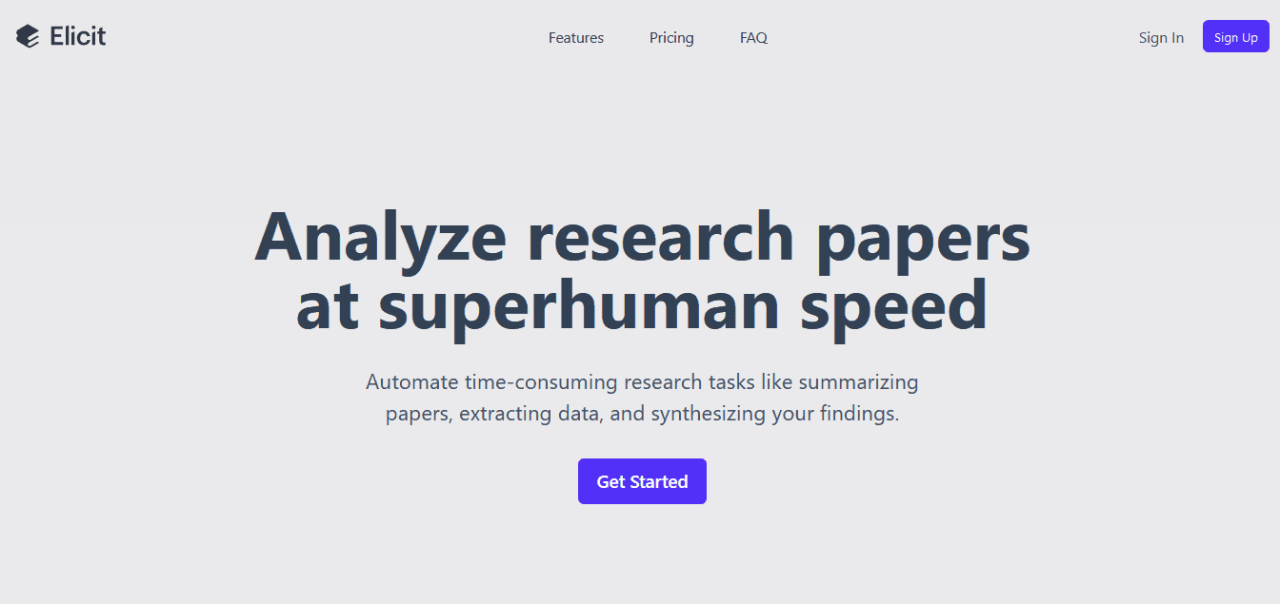
Effective management of research sources is vital for maintaining clarity and focus throughout a PhD project. Leveraging AI to structure and categorize sources enhances the ability to access relevant information efficiently, identify connections, and build a coherent knowledge framework. AI-driven organization transforms an overwhelming collection of references into a navigable, meaningful system that supports rigorous academic work.
By employing advanced AI techniques, researchers can automatically classify sources into hierarchical structures or thematic clusters, facilitating easier retrieval and insight generation. This process not only saves time but also uncovers relationships between sources that may not be immediately apparent, enriching the research narrative and identifying gaps or emerging themes.
Techniques for creating hierarchical classifications or thematic clusters
Hierarchical classifications involve organizing sources into nested levels, often reflecting the structure of the research project—from broad categories to specific s. Thematic clustering groups sources based on shared content themes, s, or conceptual similarities. AI techniques such as natural language processing (NLP), topic modeling, and clustering algorithms are instrumental in automating these processes, allowing for dynamic and scalable organization.
- Natural Language Processing (NLP): Extracts key terms, summaries, and semantic features from source texts to facilitate classification.
- Topic Modeling: Algorithms like Latent Dirichlet Allocation (LDA) identify prevalent themes across large document collections, enabling thematic grouping.
- Hierarchical Clustering: Creates nested groupings based on similarity metrics, such as cosine similarity of text embeddings, to form a hierarchy of related sources.
- Taxonomy Construction: Combines manual input with AI suggestions to develop structured taxonomies reflecting research domains and subdomains.
Use of AI algorithms to identify related sources and suggest groupings
AI algorithms can analyze vast quantities of research sources to detect underlying relationships, facilitating intelligent grouping and suggesting related sources. Techniques such as embedding models and similarity scoring are central to this process, enabling the system to recommend clusters that align with thematic or methodological commonalities.
“Semantic similarity measures and embedding vectors allow AI to recognize nuanced relationships between sources, even when explicit s differ.”
Implementing these algorithms involves converting text into numerical vectors using models like BERT or Word2Vec, then calculating similarity scores. Sources with high similarity are grouped together, which can reveal interdisciplinary links or evolving research trends. Such groupings can be further refined through user feedback, enhancing the system’s accuracy and relevance.
Organizing sources by research phase, methodology, or thematic relevance
Structured organization of research sources according to research phases, methodologies, or thematic relevance ensures that sources are easily accessible in contextually appropriate ways for each stage of the PhD process. This categorization supports targeted literature reviews, methodology development, and thematic analysis, streamlining the research workflow.
| Organization Criterion | Example |
|---|---|
| Research Phase |
|
| Methodology |
|
| Thematic Relevance |
|
Organizing sources in these ways allows researchers to quickly assemble literature relevant to specific phases or approaches, ensuring comprehensive coverage and facilitating targeted analysis. AI tools enhance this process by dynamically updating categorizations as new sources are added or research directions evolve, maintaining an adaptable and coherent research framework.
Automating Citation Management and Reference Updating
Efficient management of citations and references is a critical aspect of conducting a PhD research project. Leveraging AI tools to automate citation generation and ensure references are current can significantly streamline the writing process, reduce manual errors, and maintain the integrity of scholarly work. This segment explores the procedures for utilizing AI to generate formatted citations, detect source updates, and link references to specific sections within the research.AI-powered citation management systems facilitate the automatic creation of correctly formatted citations according to various referencing styles, such as APA, MLA, Chicago, or IEEE.
These systems analyze source metadata—such as author names, publication dates, titles, and DOIs—extracted from imported sources to generate accurate citations seamlessly within your manuscript. Moreover, many AI tools incorporate contextual understanding, enabling them to adapt citations to fit the narrative style of your document, whether in-text citations or footnotes.Detecting updates or new editions of sources is vital to maintaining the credibility and relevance of research.
Advanced AI algorithms monitor sources stored within your reference database, scanning publisher websites, digital repositories, or academic databases for any updates, corrections, or new editions. When an update is identified, the AI system can prompt the researcher to review the changes and automatically synchronize the references within the document, ensuring that citations reflect the most recent and authoritative versions of sources.Linking sources to specific sections or chapters within a research document enhances traceability and supports better organization.
AI tools enable researchers to assign and embed metadata within citations, which can then be mapped to designated parts of the document. For example, by tagging references with section identifiers or chapter labels, AI systems facilitate dynamic updates and easy navigation, allowing researchers to retrieve all sources related to a particular topic or section effortlessly.
Procedures for Using AI to Generate and Format Citations
AI-driven citation management begins with importing source metadata either manually or via integration with academic databases. Once the source information is in the system, AI algorithms automatically format the citations according to the selected style. Many tools, such as Zotero with AI plugins, EndNote, or Mendeley, offer browser extensions that detect bibliographic information from digital sources—such as journal articles, books, or conference papers—and populate the citation fields automatically.
After source entry, researchers can insert citations directly into their documents through AI-enabled word processors or writing platforms. The system updates the citation dynamically as the document evolves, ensuring consistency. Additionally, AI can generate reference lists or bibliographies that are formatted correctly and update in real-time as sources are added or modified.
Detecting Updates and Synchronizing References
AI systems employed for reference management continuously monitor source repositories for updates, corrigenda, or new editions. This is achieved through automated web crawling, API integrations, and metadata analysis. When an update is detected, the system flags the source for review, allowing the researcher to verify the change’s relevance. Upon approval, the AI synchronizes the reference details, updating the citation and bibliography across the document to reflect the latest information, thereby maintaining research accuracy and scholarly credibility.
Linking Sources to Specific Sections or Chapters
Linking references to particular sections enhances transparency and allows for more effective navigation within the research document. AI tools enable this by allowing researchers to assign tags or metadata to each citation during insertion. These tags can specify the section, chapter, or subsection where the source is utilized. The AI then maintains this linkage, so if the section content is moved or modified, the reference remains correctly associated.
This approach simplifies the process of reviewing or updating sources related to specific parts of the thesis or dissertation, improving overall organization and coherence.
Ensuring Data Consistency and Avoiding Duplication with AI
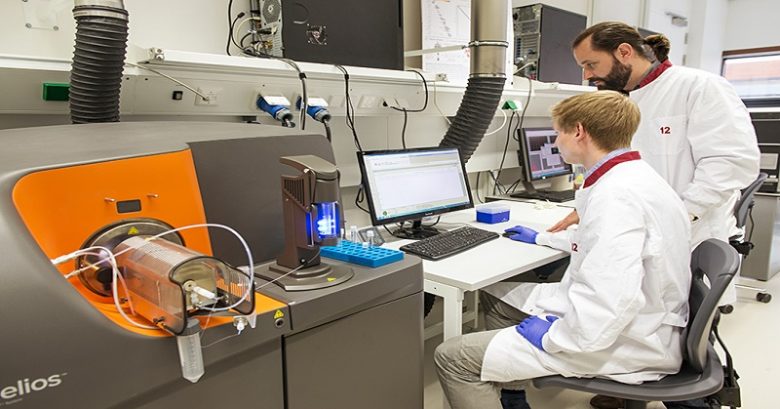
Maintaining a clean, reliable, and non-redundant research source library is vital for the integrity and efficiency of a PhD research process. As the volume of scholarly data grows exponentially, leveraging AI to automate and optimize deduplication and data verification becomes increasingly essential. Implementing these strategies ensures that your research remains accurate, up-to-date, and free from inconsistencies that could compromise the quality of your findings.AI-powered tools can significantly streamline the process of identifying duplicate sources, verifying their authenticity, and ensuring that your source library reflects the most current and relevant information.
These techniques not only save valuable time but also enhance the credibility of your research by minimizing errors and redundancies.
Strategies for AI-Assisted Deduplication of Sources
Effective management of research sources requires sophisticated algorithms designed to detect and eliminate duplicate entries with high precision. The key strategies involve leveraging AI models capable of analyzing metadata and content similarities, thus reducing the likelihood of overlooking duplicates or flagging false positives.
- Metadata Comparison: AI systems compare key bibliographic fields such as title, authorship, publication date, and journal to identify potential duplicates. For example, slight variations in author names or journal abbreviations are accounted for using fuzzy matching algorithms.
- Content Similarity Analysis: Advanced natural language processing (NLP) models assess the similarity of the actual content, abstracts, or full texts, enabling detection of duplicates even when metadata differs significantly.
- Threshold Setting: Establishing similarity score thresholds ensures that the AI system accurately distinguishes between genuine duplicates and similar but distinct sources, preventing false merging of unique entries.
- Iterative Review Processes: Combining AI detection with manual review for borderline cases enhances accuracy, especially for sources with incomplete or inconsistent metadata.
Verifying Source Authenticity and Relevance through AI Analysis
Ensuring that sources are both authentic and relevant is crucial for the credibility of your research. AI tools facilitate this by cross-referencing sources against trusted databases and analyzing content for credibility indicators.
- Authenticity Verification: AI algorithms can verify publication credentials by checking the source’s indexing status, publisher reputation, and citation metrics. For instance, sources published in peer-reviewed journals or indexed in reputable databases like PubMed or Scopus are flagged as more credible.
- Content Credibility Assessment: NLP models analyze the language, tone, and presence of biased or unverified claims to gauge the scholarly rigor of a source. For example, sources with excessive promotional language or unsubstantiated claims can be identified and flagged for review.
- Relevance Filtering: AI systems evaluate the context and s within sources to ensure alignment with the research scope. This involves semantic analysis, where sources are scored based on their thematic similarity to the research topic.
- Automated Alerts for Source Updates: AI can monitor sources for retractions, corrections, or updates, thereby maintaining the integrity and currency of your library.
Procedures for Maintaining Up-to-Date and Accurate Source Libraries
Consistent updating and validation of your research sources guarantee that your library remains a reliable foundation for your PhD work. AI-driven processes facilitate ongoing maintenance with minimal manual intervention.
- Scheduled Automated Checks: Implement routine AI scans to identify new publications, retractions, or corrections relevant to your research area. For example, setting weekly or monthly updates ensures ongoing currency of your sources.
- Version Control and Audit Trails: Maintain records of updates, additions, or deletions, allowing you to track changes over time. AI tools can log these modifications automatically, providing transparency and reproducibility.
- Integration with External Databases: Connect your AI system to multiple academic repositories for seamless synchronization, ensuring your library reflects the latest scholarly advancements.
- Periodic Re-evaluation of Source Credibility: Use AI to reassess previously accepted sources periodically, flagging any that may have become outdated or compromised in credibility, such as sources retracted or found to have flawed data.
Visualizing Research Sources and Relationships

Effectively visualizing research sources and their interconnections is a crucial step in managing and interpreting vast amounts of scholarly data. Utilizing AI-powered visualization techniques enables researchers to create intuitive maps and diagrams that reveal patterns, trends, and relationships among sources. These visual tools facilitate a clearer understanding of the research landscape, highlight influential works, and uncover thematic clusters, making complex networks more accessible and manageable.
By translating digital data into visual formats, researchers can better grasp the structure and evolution of their research domain. AI tools can automate the generation of these visualizations, ensuring accuracy and enabling dynamic updates as new sources are integrated. This approach enhances strategic decision-making, fosters insightful analysis, and supports the identification of gaps or emerging areas within the research field.
Creating Visual Maps or Diagrams of Source Networks
Generating visual maps or diagrams involves the use of AI algorithms that analyze source metadata, citation relationships, and thematic similarities. Common techniques include network graphs, cluster diagrams, and heatmaps that illustrate how sources are interconnected. These visualizations often employ nodes to represent individual sources, with edges indicating citation links, topical overlaps, or collaboration networks.
Advanced AI systems can automatically detect central sources—those with numerous connections—and identify clusters representing thematic groupings or research fronts. Interactive features allow researchers to zoom in on specific nodes or clusters, explore detailed source information, and observe how the network evolves over time. Such visualizations empower researchers to identify influential sources and understand the structure of related research themes comprehensively.
Generating Deep Descriptive Descriptions of Source Connections and Themes
Beyond visual maps, AI can produce nuanced textual descriptions that articulate the nature of source relationships and overarching themes. These descriptions leverage natural language processing (NLP) techniques to analyze citation contexts, co-occurrences, and thematic content across sources. The generated narratives provide insights into how sources influence each other, the development of research ideas, and the progression of scientific debates.
For example, an AI system might summarize that a cluster of sources discusses machine learning algorithms for medical diagnostics, with some papers serving as foundational works and others extending or contesting previous findings. Descriptive reports can highlight key themes, methodological approaches, and the significance of specific sources within the broader research network. These narratives aid in contextualizing visual maps and support strategic synthesis of the literature.
Sample HTML Table Structures for Presenting Source Summaries and Relationships
Structured tables serve as effective tools for summarizing research sources and illustrating their relationships. They enable quick reference to key details such as source titles, authors, publication years, and connection types.
| Source Title | Authors | Publication Year | Relationship Description |
|---|---|---|---|
| Deep Learning in Medical Imaging | Jane Doe, John Smith | 2021 | Cited by, foundational for recent diagnostic algorithms |
| Advancements in Neural Networks | Alan Turing | 2019 | Related to, extends concepts from |
| Thematic Review of AI Ethics | Maria Lopez | 2020 | Contrasts with, offers alternative perspectives to |
Another variation could involve a more detailed multi-column table to accommodate additional source attributes, such as methodology, s, or citation counts, thereby fostering a comprehensive view of the research network.
Exporting and sharing organized sources with collaborators
Efficiently exporting and sharing your curated research sources is a critical step in the collaborative process of a PhD. Leveraging AI tools not only simplifies transmission but also enhances the integrity, organization, and accessibility of your sources among team members or research partners. Properly managing this aspect ensures that all collaborators remain aligned and can build upon a consistent foundation of sourced information, thereby fostering productivity and reducing errors.AI-powered research management platforms offer robust features for exporting libraries of sources in various formats suitable for diverse needs.
These formats include standardized citation files like RIS, EndNote XML, BibTeX, or plain text and PDF exports. Such versatility allows seamless integration with reference management software, word processors, or collaborative platforms. Moreover, AI facilitates maintaining source integrity during sharing by embedding metadata, annotations, and version control, ensuring that the context and provenance of each source are preserved.
Methods for exporting organized source libraries in various formats
Exporting organized research sources involves selecting appropriate formats that align with the target platform or collaborative environment. AI tools typically provide straightforward options to export entire libraries or specific subsets, such as annotated articles, notes, or metadata. These methods include:
- Utilizing built-in export functions that convert source libraries into formats like RIS, BibTeX, or EndNote XML, compatible with most reference managers.
- Exporting sources as portable document files (PDFs) with embedded metadata for preservation of annotations and highlights.
- Generating CSV or JSON files containing structured data about sources, facilitating integration with custom databases or analytical tools.
- Creating shareable links that encode access permissions to online source collections, streamlining remote collaboration.
AI automates these processes by allowing batch exports, selecting specific sources, and ensuring that all associated metadata and annotations are consistently included, thus minimizing manual errors and saving time.
Sharing access while maintaining source integrity
Sharing sources with collaborators requires careful handling to ensure that the authenticity and context of each source remain intact. AI systems support this through secure sharing mechanisms that preserve source integrity by:
- Embedding comprehensive metadata during export, including source origin, annotations, and timestamps, which helps in validating and tracing sources.
- Implementing access controls and permissions within cloud-based AI platforms to regulate who can view, edit, or annotate sources.
- Utilizing encrypted sharing protocols to secure sensitive or proprietary information, safeguarding against unauthorized access.
- Providing version control features that allow collaborators to see updates and revisions, ensuring everyone works with the most recent and accurate data.
Such AI functionalities promote transparency, safeguard source authenticity, and foster a collaborative environment where all contributors can confidently interact with shared research materials.
Creating collaborative annotations and notes linked to sources
Annotations and notes are vital components of a collaborative research process, allowing team members to highlight insights, pose questions, or suggest modifications directly linked to specific sources. AI tools enable dynamic, real-time collaboration through:
- Allowing multiple users to add, edit, or comment on annotations within shared source libraries, with changes tracked and synchronized automatically.
- Linking notes to particular sections or metadata of sources, such as abstracts, figures, or references, for precise contextual feedback.
- Supporting rich-text annotations, including highlights, marginalia, and embedded multimedia, to enhance clarity and depth of discussion.
- Enabling export of annotated sources along with notes to various formats, ensuring that collaborative insights are preserved during sharing.
- Integrating with communication platforms (e.g., Slack, email) for seamless discussion and review of annotated sources among team members.
By adopting these practices, research teams can maintain organized, comprehensive, and accessible collaborative notes, ultimately enriching the quality and coherence of their scholarly work.
Ethical considerations and data privacy when using AI for research sources

Ensuring ethical integrity and safeguarding data privacy are fundamental aspects in the management of research sources using AI tools. As AI systems increasingly facilitate the organization and analysis of vast amounts of scholarly information, it becomes imperative to address potential ethical dilemmas and privacy concerns that arise during this process. This ensures not only compliance with legal standards but also maintains the trustworthiness and credibility of the research process.The integration of AI in managing research sources introduces unique challenges related to confidentiality, proprietary information, and the responsible handling of data.
Researchers must be vigilant in implementing measures that prevent unauthorized access, accidental disclosure, or misuse of sensitive information. These considerations are especially critical in fields such as biomedical research, proprietary industrial research, or any domain involving confidential data, where breaches can have significant legal and ethical repercussions.
Safeguarding sensitive or proprietary sources
Protecting sensitive or proprietary research sources requires a comprehensive strategy that encompasses technical, procedural, and organizational measures. Researchers should first identify sources that contain confidential or privileged information and classify them accordingly. It is essential to utilize secure storage solutions, such as encrypted databases and protected cloud services, to prevent unauthorized access.Implementing access controls, including role-based permissions, ensures that only authorized personnel can view or modify sensitive sources.
Regular audits and activity logs help track access and detect potential breaches promptly. Additionally, anonymizing or pseudonymizing data where possible minimizes the risk of identifying individuals or sensitive details inadvertently.Furthermore, establishing clear protocols for sharing proprietary sources with collaborators involves secure transfer methods, such as encrypted emails or secure file-sharing platforms, coupled with explicit agreements that define the scope and limitations of data use.
Researchers should also stay informed about evolving legal requirements related to data privacy, such as GDPR or HIPAA standards, to maintain compliance.
Transparency in AI source organization processes
Transparency is vital for building trust and accountability in AI-driven research source management. Researchers must ensure that the methods and algorithms used for organizing, categorizing, and analyzing sources are understandable and reproducible. This involves documenting the criteria, workflows, and decision-making processes employed by AI systems.Maintaining transparency facilitates peer review, enables replication of research, and helps identify potential biases or errors within the AI models.
Clear documentation also assists in explaining how sources are classified or prioritized, which is essential when discussing research findings with stakeholders or submitting for academic scrutiny.Adopting open standards and providing access to provenance information—details about the origin, modifications, and processing history of research sources—further enhances transparency. Researchers should also communicate openly about any limitations or uncertainties associated with AI-driven organization techniques, ensuring that users are aware of the system’s scope and potential biases.
Procedures for complying with academic standards and copyright laws
Adherence to academic standards and copyright laws is paramount when managing research sources with AI tools. Proper citation, licensing, and attribution practices ensure respect for intellectual property rights and uphold scholarly integrity.Researchers should incorporate mechanisms within AI systems that automatically detect copyright restrictions and flag sources requiring proper licensing or permissions. When importing sources, verifying their licensing status through authoritative databases or publisher-provided metadata helps prevent unintentional violations.Implementing standardized citation formats, such as APA, MLA, or Chicago style, within AI tools ensures consistent and accurate referencing.
Additionally, maintaining detailed records of source licenses and usage rights supports compliance during publication or dissemination.In cases where sources are protected by copyright, fair use policies must be carefully evaluated, and permissions obtained when necessary. Clearly documenting all permissions and licenses associated with research sources is crucial for audit trails and for defending the legality of the research process.
Final Summary
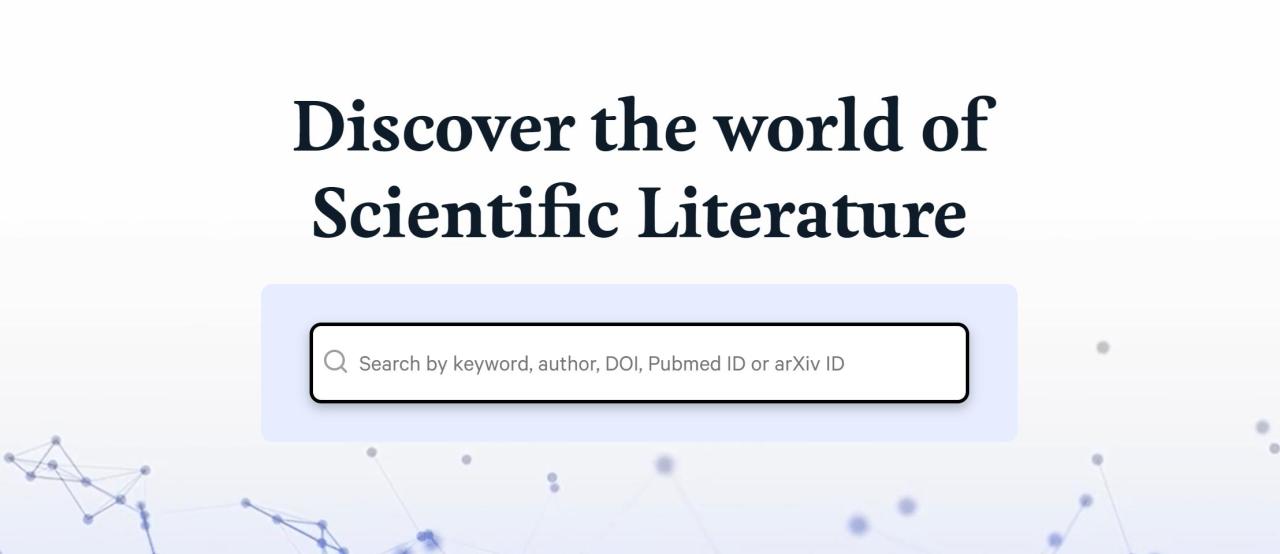
In conclusion, integrating AI into the organization of research sources offers transformative benefits for doctoral research. From efficient data management to insightful visualization, these tools empower researchers to stay organized, accurate, and aligned with academic standards. Embracing these strategies can pave the way for a smoother, more effective journey toward completing a PhD with confidence and precision.