Discovering how to analyze research data with AI opens new horizons for extracting meaningful insights efficiently and accurately. Leveraging artificial intelligence allows researchers to handle complex datasets, identify patterns, and generate valuable conclusions that might be difficult to uncover through traditional methods.
This guide provides an overview of essential steps, including data preparation, selecting suitable AI models, implementing algorithms, interpreting results, and addressing common challenges. By understanding these key aspects, researchers can effectively utilize AI to enhance their data analysis processes and support innovative discoveries across various fields.
Overview of Using AI to Analyze Research Data

Artificial intelligence (AI) has revolutionized the way researchers process and interpret vast amounts of data across various scientific disciplines. By leveraging AI technologies, researchers can uncover patterns, generate insights, and make predictions with unprecedented speed and accuracy. This advancement enables a more efficient and comprehensive approach to understanding complex datasets that traditional methods might struggle to handle.
AI’s role in research data analysis encompasses a broad spectrum of techniques designed to automate, enhance, and accelerate data processing tasks. These techniques facilitate the extraction of meaningful information from raw data, helping researchers formulate hypotheses, validate models, and support decision-making processes. As AI continues to evolve, its application in research becomes increasingly integral to producing high-quality, data-driven results.
Various AI Techniques Applicable to Data Analysis Tasks
The diversity of AI techniques allows for tailored approaches depending on the nature of the research data and the specific analysis objectives. Each method contributes uniquely to extracting insights, identifying patterns, and making predictions, often complementing one another in integrated analysis pipelines.
- Machine Learning (ML): Machine learning algorithms, such as supervised, unsupervised, and reinforcement learning, enable models to learn from data and make predictions or classifications. Supervised learning is commonly used for predictive analytics, while unsupervised learning is effective in clustering and anomaly detection. Reinforcement learning optimizes decision-making processes based on reward feedback.
- Deep Learning: This subset of machine learning employs neural networks with multiple layers, ideal for processing complex data like images, speech, and sequential information. Deep learning models excel in pattern recognition, such as image classification in medical imaging or natural language processing in social sciences.
- Natural Language Processing (NLP): NLP techniques facilitate the analysis of textual data, enabling sentiment analysis, topic modeling, and information extraction. These methods are particularly valuable in fields like social sciences, marketing, and medical research where textual data is abundant.
- Data Mining and Pattern Recognition: These AI-driven approaches focus on discovering hidden patterns, associations, or trends within large datasets. They support hypothesis generation and exploratory data analysis across disciplines such as genomics, finance, and epidemiology.
- Reinforcement Learning: Reinforcement learning models develop strategies through trial-and-error interactions with data environments, often used in adaptive systems, robotics, and personalized medicine applications.
Examples of Research Fields Benefiting from AI Data Analysis Methods
Numerous scientific domains have embraced AI-driven data analysis to accelerate discovery and improve outcomes. These fields benefit from AI’s ability to handle high-dimensional, complex datasets that traditional methods may find challenging.
- Medical and Healthcare Research: AI models analyze medical images, electronic health records, and genomic data to assist in diagnostics, treatment planning, and drug discovery. For example, convolutional neural networks (CNNs) are used in radiology to detect tumors with high accuracy.
- Genomics and Bioinformatics: AI aids in sequencing data analysis, gene expression profiling, and identifying genetic variations associated with diseases. Deep learning models help predict the function of novel genetic mutations.
- Environmental Science: AI techniques process climate data, satellite imagery, and ecological datasets to model environmental changes, predict natural disasters, and inform conservation efforts.
- Social Sciences: Text mining, sentiment analysis, and social network analysis powered by AI tools provide insights into societal trends, public opinion, and behavioral patterns.
- Finance and Economics: AI algorithms analyze market data, detect fraudulent transactions, and develop predictive models for economic forecasting and risk management.
Through these diverse applications, AI significantly enhances the depth, precision, and scope of research data analysis, driving innovation and informed decision-making across multiple scientific disciplines.
Preparing Research Data for AI Analysis
Effective preparation of research data is a crucial step in ensuring the accuracy and efficiency of AI-driven analysis. Proper cleaning and preprocessing not only enhance the quality of the dataset but also improve the predictive power and reliability of AI models. This process involves systematic procedures for handling inconsistencies, missing information, and anomalies within the data, laying a solid foundation for meaningful insights.
By carefully preparing datasets, researchers can minimize biases, reduce noise, and optimize the performance of AI algorithms. This stage encompasses various techniques to transform raw data into a structured, high-quality format that aligns with the specific requirements of the analytical models to be employed.
Data Cleaning and Preprocessing Steps
To maximize AI efficiency, researchers must undertake a series of steps that address common issues in datasets. The initial phase involves examining the dataset for inconsistencies, duplicates, and irrelevant information. Data cleaning techniques such as normalization, transformation, and standardization help to ensure that data values are consistent and comparable across different variables.
Preprocessing also includes encoding categorical variables into numerical formats, such as one-hot encoding or label encoding, to make them suitable for machine learning algorithms. Additionally, scaling features using methods like Min-Max scaling or Z-score normalization can prevent variables with larger ranges from dominating the analysis. These procedures collectively prepare the data for more accurate and robust AI modeling.
Handling Missing Data and Outliers
Addressing missing data and outliers is essential to prevent skewed or biased results in AI analysis. Missing data occurs frequently and can be managed through various strategies such as imputation, deletion, or substitution, depending on the context and extent of missingness. For example, mean or median imputation replaces missing values with central tendency measures, preserving the dataset’s integrity without introducing significant bias.
Outliers—extreme data points that deviate markedly from other observations—can distort model training and lead to erroneous conclusions. Techniques for managing outliers include statistical methods like the Z-score or IQR (Interquartile Range), which identify and remove or adjust anomalous data points. Robust scaling methods, such as median absolute deviation, may also be employed to lessen the influence of outliers during analysis.
Data Preprocessing Methods and Their Purposes
Below is a table illustrating common data preprocessing techniques, their purposes, and typical applications in research data preparation:
| Method | Purpose | Application Example |
|---|---|---|
| Normalization | Rescales data to a specific range, usually [0,1], to ensure uniformity across features. | Preparing image pixel data for deep learning models where pixel intensity values vary widely. |
| Standardization | Centers data around the mean with a unit standard deviation, making features comparable. | Analyzing datasets with features measured in different units, such as height and weight in health studies. |
| Encoding Categorical Variables | Converts non-numeric data into numeric formats suitable for algorithms. | Transforming survey responses like “Yes”/”No” into binary variables for logistic regression. |
| Imputation | Fills in missing data points to preserve data integrity. | Replacing missing income data in a socioeconomic dataset with median income values. |
| Outlier Removal | Identifies and mitigates the influence of extreme values. | Removing abnormally high blood pressure readings that are likely measurement errors in medical research. |
Note: Selecting appropriate preprocessing methods depends on the dataset characteristics and the specific requirements of the AI model used.
Selecting Appropriate AI Models for Data Analysis
Choosing the right AI model is a critical step in effectively analyzing research data. Different models serve varied purposes, and aligning them with specific research objectives ensures meaningful insights and reliable results. Understanding the distinctions among supervised, unsupervised, and reinforcement learning models allows researchers to tailor their approach, optimize outcomes, and address complex data challenges efficiently.
In this section, we will compare these primary categories of AI models, highlight how to match research goals with suitable algorithms, and provide a clear overview through a structured summary. This knowledge empowers researchers to make informed decisions, enhancing the accuracy and relevance of their data analysis processes.
Comparison of Supervised, Unsupervised, and Reinforcement Learning Models
AI models are categorized based on the nature of the data and the learning process involved. Recognizing their differences helps in selecting the most appropriate techniques for specific research scenarios. Below is an overview of each model type, alongside typical use cases and advantages:
| Model Type | Use Cases | Advantages |
|---|---|---|
| Supervised Learning |
|
|
| Unsupervised Learning |
|
|
| Reinforcement Learning |
|
|
Matching Research Objectives with AI Algorithms
Aligning research goals with the appropriate AI models involves understanding both the nature of the data and the desired outcomes. Accurate matching enhances the potential for meaningful insights and efficient analysis. The following guidelines facilitate this process:
- Define the research question: Clarify whether the goal is to predict, classify, discover patterns, or optimize processes.
- Assess data labels and structure: Determine if data is labeled, unlabeled, or involves sequential decision-making.
- Select the model type accordingly:
- If predicting outcomes based on historical labeled data, supervised learning algorithms such as decision trees, support vector machines, or neural networks are suitable.
- For exploring data structures, identifying groups, or anomaly detection without predefined labels, unsupervised models like k-means clustering or principal component analysis are ideal.
- When the task involves learning through interaction or sequential decision-making, reinforcement learning models like Q-learning or deep Q-networks are preferred.
- Evaluate the complexity and interpretability: Balance the need for model accuracy with interpretability, especially important in fields like healthcare or finance.
- Consider computational resources and data volume: More complex models may require substantial computational power and large datasets, influencing feasibility.
“Matching the appropriate AI model to research objectives maximizes the relevance and reliability of outcomes, guiding effective decision-making and innovation.”
Implementing AI Algorithms for Data Insights
Transforming research data into actionable insights requires the effective implementation of AI algorithms tailored to the dataset’s specific characteristics. This process involves training sophisticated models that can uncover patterns, trends, and relationships not immediately apparent through traditional analysis. Proper implementation ensures that AI-driven insights are accurate, reliable, and meaningful, paving the way for informed decision-making in research contexts.
Executing AI algorithms effectively demands a structured approach, starting with training models on comprehensive datasets, evaluating their performance rigorously, and utilizing the right tools and libraries designed for research data analysis. Such practices optimize the potential of AI to extract valuable insights from complex and large-scale research data, thereby enhancing the depth and scope of research conclusions.
Training AI Models on Research Datasets
Training AI models involves feeding large, high-quality research datasets into algorithms so they can learn underlying patterns and relationships. The process begins with data preprocessing, including cleaning, normalization, and feature engineering, to ensure the data is suitable for training. Supervised learning models are commonly used when labeled data is available, enabling the AI to associate input features with known outcomes, such as predicting experimental results or classifying research findings.
Unsupervised learning techniques, like clustering or dimensionality reduction, are employed when labels are absent, helping to identify hidden structures or segments within research data. For example, in genomics research, clustering algorithms can group genes with similar expression patterns, providing insights into biological pathways. The training process involves iterative adjustments of model parameters to minimize errors, often utilizing techniques like gradient descent.
Effective training results in models that can generalize well to new, unseen research data, thus yielding reliable insights.
Evaluating Model Accuracy and Reliability
Assessment of AI models is critical to ensure their outputs are accurate, trustworthy, and applicable in research settings. Evaluating model performance involves using statistical metrics and validation techniques to measure how well the model captures the underlying data patterns. Common metrics include accuracy, precision, recall, F1 score, and area under the receiver operating characteristic curve (AUC-ROC), which provide quantitative measures of model effectiveness.
Cross-validation methods, such as k-fold validation, partition the data into training and testing subsets, allowing researchers to assess the model’s consistency across different data samples. Additionally, techniques like bootstrapping or holdout validation help identify potential overfitting or underfitting issues, ensuring the model’s robustness. Reliability is further enhanced by using separate validation datasets, peer review, and iterative testing, which collectively confirm that the AI models yield dependable insights in diverse research scenarios.
Common AI Tools and Libraries for Research Data Analysis
Numerous AI tools and software libraries exist to facilitate the implementation of models, streamline analysis workflows, and enhance research productivity. These tools provide a range of functionalities, from data preprocessing to advanced model training and evaluation, tailored specifically to research needs.
Below is a list of widely used AI tools and libraries in research data analysis:
| Tool/Library | Description | Use Cases |
|---|---|---|
| TensorFlow | An open-source library developed by Google for machine learning and deep learning models. | Building neural networks, image recognition, natural language processing |
| scikit-learn | A versatile Python library offering a broad range of machine learning algorithms and tools for data mining and data analysis. | Classification, regression, clustering, dimensionality reduction |
| PyTorch | An open-source machine learning library developed by Facebook, emphasizing flexibility and speed for research and production. | Deep learning, dynamic neural networks, research prototyping |
| RapidMiner | A data science platform that offers an intuitive visual interface, enabling researchers to develop models without extensive coding. | Data preparation, modeling, validation, deployment |
| KNIME | An open-source data analytics platform providing visual workflows for data processing and modeling. | Data integration, machine learning, data visualization in research |
| H2O.ai | An open-source platform specializing in scalable machine learning and AI, designed for big data applications. | Supervised and unsupervised learning, automated machine learning |
Note: Combining these tools with sound research methodology enhances the robustness and reproducibility of AI-driven insights, making them invaluable assets in scientific investigations.
Interpreting AI-Generated Results
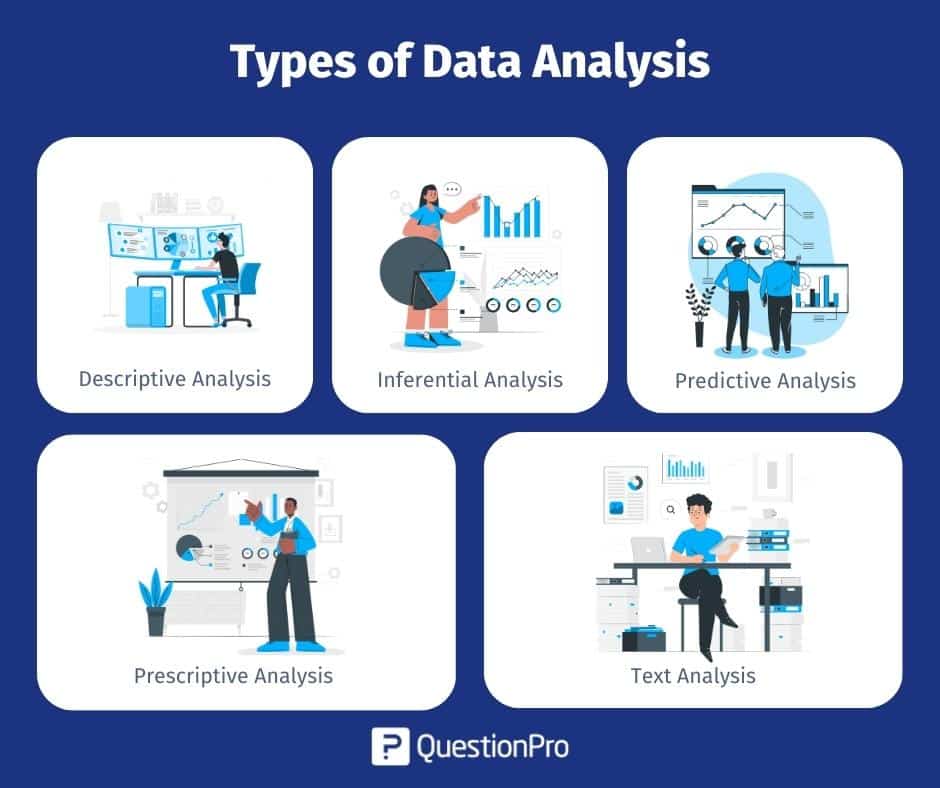
Effectively interpreting results produced by artificial intelligence is essential for transforming raw data outputs into actionable insights. As AI models generate complex data patterns and predictions, understanding these outputs allows researchers to draw meaningful conclusions, validate findings, and inform decision-making processes. Mastering interpretation techniques ensures that the power of AI enhances the overall research process and leads to accurate, reliable outcomes.
Interpreting AI results involves a combination of analytical skills, domain expertise, and an understanding of the specific algorithms used. It requires careful analysis of the outputs, recognition of potential biases or errors, and contextualization within the broader research objectives. This process helps to bridge the gap between algorithmic outputs and practical application, ensuring insights are both relevant and robust.
Techniques for Extracting Insights from AI Outputs
Extracting meaningful insights from AI outputs involves several key techniques that enable researchers to translate complex data into comprehensible information. These methods include statistical analysis, pattern recognition, and contextual evaluation of the results. It is crucial to assess the significance, reliability, and limitations of the outputs to avoid misinterpretation or overgeneralization.
Using domain knowledge to interpret AI results ensures that insights are relevant and aligned with real-world phenomena, enhancing the practical value of the analysis.
Additional techniques include sensitivity analysis, which assesses how changes in input data affect outputs, and feature importance evaluation, which identifies the most influential variables. These approaches help in pinpointing the factors driving the results, facilitating targeted actions or further investigations.
Visualizing Data Analysis Results
Visualization plays a vital role in clarifying AI-generated data insights, enabling researchers and stakeholders to quickly grasp complex patterns and relationships. Effective visualizations transform abstract data points into intuitive graphics, supporting better communication and decision-making. Well-designed visual tools can reveal trends, outliers, and correlations that might not be evident through raw data alone.
Choosing appropriate visualization methods depends on the nature of the data and the specific insights sought. The goal is to create clear, informative, and impactful representations that facilitate understanding across diverse audiences.
Common Visualization Methods
Various visualization techniques are employed to present AI analysis results effectively. These methods include:
| Visualization Method | Description and Use Cases |
|---|---|
| Bar Charts | Ideal for comparing categorical data or frequency counts, such as customer segmentation or survey responses. They provide a straightforward visual comparison across groups. |
| Line Graphs | Useful for illustrating trends over time, such as sales growth, stock prices, or temporal changes in experimental data. They help identify patterns and fluctuations. |
| Heatmaps | Effective for showing correlations or intensity of data points across two dimensions, such as gene expression levels or user activity on a website. Heatmaps highlight areas of high or low activity clearly. |
| Scatter Plots | Enable visualization of relationships between two variables, assisting in identifying correlations, clusters, or outliers. They are valuable for regression analysis and pattern detection. |
| Pie Charts | Useful for depicting proportions and composition within a dataset, such as market share or demographic distribution. They provide a quick overview of parts-to-whole relationships. |
| Box Plots | Offer insights into data distribution, variability, and outliers. Useful for comparing groups or assessing the spread of data points, especially in experimental research. |
By integrating these visualization techniques, researchers can communicate AI-derived insights more effectively, facilitate stakeholder engagement, and support data-driven decision-making processes across various fields such as healthcare, finance, and social sciences.
Addressing Challenges in AI Data Analysis
Analyzing research data using AI introduces numerous advantages, yet it also presents specific challenges that require careful attention. Effectively identifying and managing issues such as overfitting, bias, and data privacy concerns is essential to ensure the integrity and validity of research findings. Addressing these challenges proactively enhances the reliability of AI-driven insights and supports sound scientific conclusions.Understanding the common pitfalls in AI data analysis is vital for researchers aiming to leverage AI effectively.
By recognizing potential issues early, researchers can implement appropriate strategies to improve model performance and safeguard sensitive information, ultimately advancing the quality and credibility of their research outcomes.
Overfitting, Bias, and Data Privacy Concerns
During AI model development, several issues may arise that compromise the accuracy and fairness of results. Overfitting occurs when an AI model learns not only the underlying patterns but also the noise within the training data, leading to poor generalization on new data. Bias, on the other hand, can stem from imbalanced datasets or prejudiced data collection practices, resulting in skewed or unfair predictions.
Data privacy concerns involve the protection of sensitive information, especially when handling personal or confidential research data, which must adhere to legal and ethical standards.These issues are interconnected and can significantly impact the validity of research conclusions. For instance, an overfitted model may perform well on training data but fail in real-world applications, while biased models can lead to misleading or unethical outcomes.
Privacy concerns, if neglected, can lead to legal repercussions and erosion of trust among research participants.
Strategies for Debugging and Improving AI Model Performance
To mitigate these challenges, implementing robust debugging and optimization techniques is crucial. Researchers should adopt cross-validation methods, such as k-fold validation, to evaluate model performance comprehensively across multiple subsets of data. Regularization techniques, like L1 or L2 regularization, help prevent overfitting by penalizing complex models that may fit noise instead of actual patterns.Model interpretability tools, including feature importance analysis and partial dependence plots, enable researchers to understand how models arrive at their predictions, thereby identifying potential biases or anomalies.
Additionally, employing early stopping during training can prevent models from overfitting by halting training when performance on validation data ceases to improve. Continual monitoring and iterative refinement of models are fundamental practices to enhance accuracy and robustness.
Best Practices for Validating Research Findings from AI Analysis
Validation is a critical step that ensures AI-derived research conclusions are credible and reproducible. It involves applying multiple evaluation metrics such as accuracy, precision, recall, F1 score, and area under the ROC curve to assess model performance comprehensively. External validation using independent datasets increases confidence in the generalizability of findings.Researchers should also conduct sensitivity analyses to determine how variations in data or model parameters affect results.
Transparency in reporting methodologies, including data preprocessing steps, model selection criteria, and validation procedures, fosters reproducibility and peer review. When possible, collaboration with domain experts can provide additional insights and help interpret AI outputs within the correct scientific context. Ensuring rigorous validation procedures ultimately strengthens the trustworthiness and impact of research findings derived from AI analysis.
Ethical and Practical Considerations

As the integration of AI into research data analysis becomes increasingly prevalent, it is essential to address the ethical and practical implications associated with automated decision-making processes. Ensuring responsible use of AI not only upholds the integrity of research but also fosters trust among stakeholders, including participants, funding agencies, and the broader scientific community. Recognizing these considerations helps researchers navigate potential risks while maximizing the benefits of AI-driven insights.
Implementing AI in research requires careful attention to ethical standards, transparency, and reproducibility. These elements serve as the foundation for credible scientific work and are critical in maintaining public confidence. Proper documentation and adherence to ethical guidelines ensure that AI tools are employed responsibly, decisions are transparent, and results can be independently verified. Addressing these factors proactively minimizes biases, prevents misuse, and promotes equitable research practices.
Ethical Implications of Automated Data Analysis in Research
Automated data analysis using AI raises several ethical concerns that must be carefully managed. These include issues related to bias, fairness, privacy, accountability, and the potential for misinterpretation of results. Bias can arise from biased training data or algorithmic design, leading to skewed insights that may disproportionately affect certain groups or outcomes. For instance, an AI model trained on data lacking diversity might produce results that do not generalize well across different populations, risking perpetuation of inequalities.
Privacy concerns are particularly pertinent when handling sensitive or personally identifiable information. Researchers have a duty to ensure compliance with data protection regulations such as GDPR or HIPAA, safeguarding participant confidentiality. Furthermore, accountability for AI-driven conclusions must be clearly established, including who is responsible for errors or unintended consequences. Transparency about the limitations and scope of AI models helps mitigate these risks, fostering ethical research practices.
Guidelines for Ensuring Transparency and Reproducibility
Transparency and reproducibility are vital for validating AI-based research findings and maintaining scientific integrity. Clear documentation of data sources, preprocessing steps, model selection, and parameter settings forms the backbone of reproducible research. This transparency allows other researchers to understand the methodology, replicate analyses, and verify results effectively.
Adhering to established standards and best practices enhances transparency, such as reporting on data collection procedures, feature engineering, and model training processes. Utilizing open-source tools and datasets, when possible, further promotes reproducibility. Researchers should also provide access to code, workflows, and datasets under suitable licenses, enabling other scientists to validate and build upon their work.
Procedures for Documenting AI Analysis Workflows and Decisions
Comprehensive documentation of AI analysis workflows is crucial for transparency, troubleshooting, and future reference. Well-structured records include details about data preprocessing steps, model configurations, training procedures, validation methods, and the rationale behind each decision. This documentation should be maintained in a format that is accessible and understandable to others, such as detailed lab notebooks, project reports, or version-controlled repositories.
Documenting AI workflows ensures accountability, facilitates troubleshooting, and supports reproducibility, thereby strengthening the credibility of research outcomes.
Procedures include maintaining detailed logs of model training processes, hyperparameter tuning, validation results, and any adjustments made during analysis. Decision points, such as selecting a particular model architecture or handling missing data, should be clearly justified. Additionally, recording the limitations and assumptions of the analysis provides essential context for interpreting results and assessing their applicability. These practices foster an environment of openness and facilitate peer review or replication efforts.
Final Wrap-Up
In conclusion, mastering how to analyze research data with AI empowers researchers to unlock deeper insights and improve the robustness of their findings. Embracing these advanced techniques not only streamlines the research process but also ensures more reliable and impactful results, paving the way for continued scientific progress.