Discovering how to generate citations from PDF with AI opens the door to streamlining academic and professional writing processes. As digital documents become increasingly complex, leveraging artificial intelligence offers an innovative solution for extracting and managing citation data efficiently. This technology not only accelerates research workflows but also enhances accuracy, ensuring that references are correctly formatted and complete.
By understanding the tools and step-by-step procedures involved, users can effectively utilize AI to convert unstructured PDF content into well-organized citations across various formats. This evolving capability promises to transform traditional referencing methods and support scholars and professionals in maintaining high standards of scholarly integrity.
Introduction to generating citations from PDFs with AI
In academic and professional environments, the ability to accurately extract and generate citations from PDF documents is essential for maintaining scholarly integrity and ensuring proper acknowledgment of sources. With the advent of artificial intelligence, the process of obtaining citations from lengthy or complex PDFs has become more efficient and reliable. AI-powered tools can analyze documents quickly, identify reference sections, and extract relevant citation data with a high degree of accuracy, streamlining the research workflow.
These AI capabilities are transforming how researchers, students, and professionals handle source referencing. Modern AI tools leverage natural language processing and machine learning algorithms to interpret diverse document formats, recognize citation patterns, and organize extracted data into standardized formats such as APA, MLA, or Chicago style. This automation reduces manual effort, minimizes errors, and enhances the overall quality of citations, supporting the integrity and credibility of scholarly work.
Process of extracting citation data from PDF documents using AI tools
Understanding the process of citation extraction involves recognizing how AI systems scan and interpret entire PDF files to locate relevant reference information. This process typically begins with the AI tool performing optical character recognition (OCR) if the PDF contains scanned images of text, converting visual data into machine-readable text. Once the text is accessible, the AI employs pattern recognition techniques to identify sections of the document that likely contain citation data, such as references, bibliography, or footnotes.
Subsequently, the AI analyzes the identified sections to extract key elements like author names, publication dates, titles, journal names, volume, issue numbers, and page ranges. Advanced AI models utilize natural language understanding to differentiate between in-text citations and reference entries, ensuring precise extraction. The extracted data is then structured into formats compatible with citation management systems or exported directly into citation styles required by academic standards.
Effective extraction hinges on the AI’s training on diverse document layouts and citation formats, enabling it to adapt across disciplines and publication types. For example, AI can distinguish between a journal article citation and a book reference, even when formats vary significantly. This ability to adapt ensures that the citation data generated is both accurate and comprehensive, facilitating seamless integration into research papers, reports, or presentations.
Tools and Software for AI-Assisted Citation Extraction
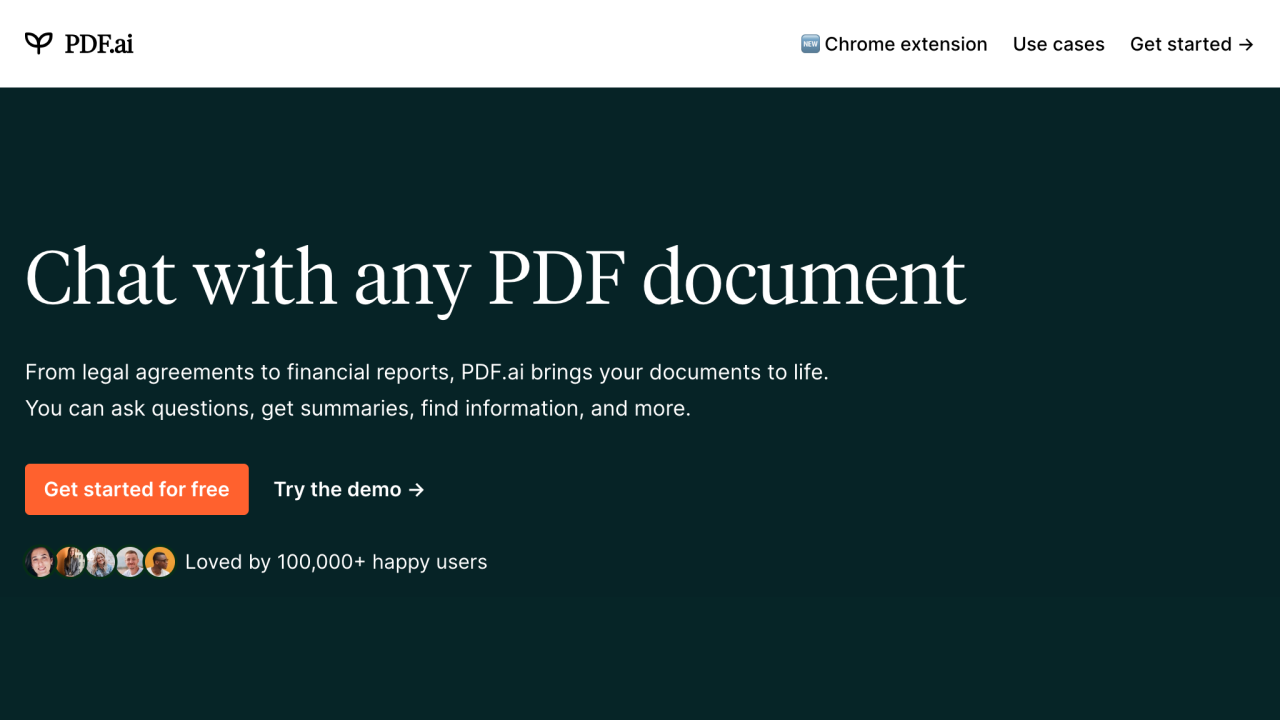
Utilizing AI-powered tools for citation extraction from PDFs significantly streamlines the research process, enabling users to efficiently gather references with high accuracy. Several applications and platforms have been developed to facilitate this task, each offering unique features that cater to different user needs, whether for academic writing, research, or publishing. Selecting the right tool involves understanding their capabilities, ease of use, and compatibility with various citation formats, ensuring seamless integration into existing workflows.
Many modern AI-driven citation extraction tools are designed with user-friendly interfaces and support multiple citation styles, such as APA, MLA, Chicago, and IEEE. They often incorporate advanced natural language processing (NLP) models to accurately identify and parse references from complex PDF documents, including scanned images and multi-column layouts. Proper setup and configuration are crucial for optimal performance, typically involving steps such as defining target citation styles, training the AI on specific document types, and adjusting extraction sensitivity to minimize errors.
Popular AI-Powered Applications and Platforms
The landscape of AI-assisted citation extraction features several prominent applications known for their reliability and versatility. These tools are favored by academics, researchers, and publishers for their efficiency, accuracy, and ease of integration into research workflows.
| Tool/Platform | Key Features | Supported Citation Styles | Ease of Use | Integration and Compatibility |
|---|---|---|---|---|
| Zotero | Open-source reference manager with AI plugins for PDF metadata extraction | APA, MLA, Chicago, Vancouver, IEEE, and more | Intuitive interface with browser and PDF integrations | Compatible with Windows, Mac, Linux; integrates with Word and Google Docs |
| Mendeley | Reference manager with AI-powered PDF annotation and citation extraction | Multiple styles including APA, Chicago, IEEE | User-friendly with drag-and-drop features | Windows, Mac, Web; integrates with Microsoft Word and LibreOffice |
| RefME / CiteThisForMe | AI-assisted citation generator from PDFs and web sources | Major styles supported, customizable | Web-based interface with mobile app support | Works across browsers; exports to Word, PDF, and other document formats |
| EndNote Click (formerly Kopernio) | PDF retrieval with AI-assisted metadata and citation extraction capabilities | Supports various styles; customizable options | Seamless browser extension experience | Compatibility with Windows, Mac; integrates with EndNote and Word |
| Adobe Acrobat Pro DC with AI plugins | Advanced OCR and metadata recognition for scanned PDFs | Supports style customization through plugins | Standard PDF editing interface with AI enhancements | Windows, Mac; integrates with reference managers via export features |
Setting Up and Configuring AI Tools for Optimal Performance
Effective setup of citation extraction tools ensures high accuracy and efficiency. The initial configuration involves selecting appropriate citation styles relevant to the user’s field, such as APA for social sciences or IEEE for engineering. Many tools allow users to define custom styles or modify existing templates to match institutional or publisher requirements.
For optimal performance, users should ensure that their PDFs are of high quality, with clear text and minimal scanning artifacts. Some platforms support training the AI models on specific document types or layouts, which enhances recognition accuracy, especially for complex or poorly scanned files. Regular updates and calibration, such as adjusting sensitivity settings or re-training the AI models with new datasets, can further improve extraction precision.
Additionally, integrating these tools within existing research workflows, like linking them with word processors or reference management software, can streamline citation management. Proper tutorials and documentation provided by the platform often include recommended setup procedures, best practices, and troubleshooting tips, helping users achieve the best possible results with minimal effort.
Step-by-step procedure for extracting citations from PDFs using AI
Efficient extraction of citations from scholarly or research PDFs is essential for accurate referencing, literature reviews, and academic writing. Utilizing AI tools streamlines this process, enabling users to quickly identify, organize, and manage citation data. A systematic approach involves importing PDFs into AI software, pinpointing relevant citation information, and refining the extracted data for usability. This step-by-step guide Artikels the key stages involved in leveraging AI for citation extraction, ensuring precision and efficiency in academic workflows.
By following a structured procedure, researchers and students can minimize manual effort, reduce errors, and maintain consistency across their bibliographies. The process relies on selecting the appropriate tools, understanding input and output formats, and applying best practices for cleaning and organizing citation data. Below, each stage is detailed with practical insights and exemplified through a sample extraction workflow.
Importing PDFs into AI Tools
Initiating the citation extraction process begins with importing or uploading the PDF documents into AI-powered citation extraction tools. These tools often support multiple input formats such as PDF, scanned images, or even text files. The process typically involves selecting the file from local storage or cloud-based repositories and ensuring the document is accessible in a compatible format.
Some advanced tools permit batch uploading, which is advantageous when working with collections of research papers. Ensuring the PDFs are high-quality, with clear text and minimal distortion, improves the accuracy of subsequent extraction steps. Certain platforms also offer drag-and-drop features for ease of use, alongside options to specify page ranges if only parts of the document are relevant.
Selecting and Identifying Relevant Citation Data
After importing, the AI tool analyzes the document to identify textual patterns indicative of citations, bibliographies, or references sections. The software then highlights or isolates the relevant data based on predefined or customizable criteria. Accurate identification hinges on recognizing common citation formats such as APA, MLA, or Chicago style, as well as reference section headers like “References” or “Bibliography.”
Users can often manually confirm or adjust selections, ensuring that only pertinent citation information is processed. Some tools incorporate machine learning algorithms that improve detection accuracy over time by learning from user corrections. Clear visual cues and options to select specific sections or phrases help streamline this identification process.
Cleaning and Organizing Extracted Citation Information
Once citations are extracted, it is vital to clean and organize the data to facilitate easy integration into reference managers or bibliographies. Raw extraction results may contain extraneous characters, inconsistent formatting, or incomplete data, which necessitate refinement.
Practices for cleaning include removing duplicate entries, correcting typographical errors, and standardizing formats according to citation style guides. Organizing the data into structured formats, such as spreadsheets or JSON files, allows for seamless import into reference management software like EndNote, Zotero, or Mendeley. Additional steps may involve separating authors, publication years, titles, and other elements into dedicated columns for clarity and consistency.
Sample Extraction Workflow
| Extraction Step | Tools Used | Input Formats | Output Formats |
|---|---|---|---|
| Uploading PDF for analysis | Adobe Acrobat, AI-powered tools like Zotero, or dedicated citation extractors such as Ref-N-Write | .pdf, scanned images | Internal data structure, JSON, CSV |
| Identifying reference section and citation patterns | AI algorithms within tools like EndNote, Zotero, or custom scripts using Python libraries (e.g., PyMuPDF, PDFPlumber) | Extracted text segments from PDFs | Selected reference blocks, marked citations |
| Cleaning and formatting citations | Reference management software or data processing tools like Excel, Pandas (Python) | Raw extracted data in CSV or JSON | Standardized, structured citation entries in BibTeX, RIS, or plain text |
| Exporting organized citations for use | EndNote, Zotero, Mendeley | Structured data formats like RIS, BibTeX | Ready-to-use bibliography entries integrated into documents or databases |
Techniques for converting extracted data into different citation formats
Once citation data has been accurately extracted from PDFs using AI, the next crucial step involves transforming this raw information into standardized citation styles such as MLA, APA, Chicago, or others. Proper conversion ensures that references adhere to academic and professional standards, facilitating clarity, consistency, and credibility in scholarly work. Automating this process with AI tools not only accelerates citation generation but also minimizes the potential for human error, ensuring uniform formatting across large volumes of references.
AI-driven techniques leverage pattern recognition, natural language processing, and predefined style rules to systematically convert raw citation components—such as author names, publication titles, dates, and page numbers—into correctly formatted references. These methods are especially valuable when managing extensive bibliographies, providing users with reliable, repeatable, and efficient workflows. Below are detailed procedures and tips for transforming extracted citation data into various formats, along with examples illustrating each style.
Procedures for transforming raw data into citation styles
- Standardize extracted data: Ensure that author names, publication dates, titles, and other elements are correctly identified and formatted in a consistent manner. This step often involves cleaning data to remove inconsistencies or ambiguities.
- Apply style-specific rules: Use predefined templates or rules that specify how each element should appear in a given citation style. For example, APA emphasizes author-date citations, while MLA prioritizes author and page number placement.
- Use AI-powered citation engines: Integrate AI tools that apply these rules automatically. Many software solutions employ machine learning algorithms trained on large datasets of correctly formatted references, enabling them to generate accurate citations swiftly.
- Validate and refine: Run quality checks to ensure that generated citations conform to style guidelines. AI can flag inconsistencies or errors for manual correction or automatic adjustment.
By following these procedures, users can convert raw extracted data into properly formatted citations efficiently, greatly reducing manual effort and enhancing accuracy.
The role of AI in automating format conversions and ensuring consistency
AI significantly streamlines the process of formatting citations by automating the application of style-specific rules. Machine learning models and rule-based algorithms analyze citation components and reassemble them according to the requirements of different styles without manual intervention. This automation ensures that each citation maintains consistency throughout a document or database, which is critical in academic and professional writing.
Moreover, AI tools continuously learn from vast datasets, improving their accuracy over time. They can recognize common errors, correct inconsistencies, and adapt to updates in citation standards, such as new editions of style guides. Consequently, AI not only accelerates the formatting process but also enhances reliability, making it an indispensable element in modern citation management systems.
Examples of formatted citations in various styles
| Style | Example Citation |
|---|---|
| APA |
|
| MLA |
|
| Chicago |
|
Common citation formats follow specific rules regarding the ordering of author names, italics, punctuation, and punctuation. AI systems can be configured to incorporate these rules accurately, producing citations that meet style guidelines consistently.
Conversion tips and common formats
- Keep author names consistent: For styles like APA and Chicago, surnames precede initials or full names, whereas MLA typically uses full names.
- Italicize titles appropriately: Book titles and journal names are italicized across most styles, but article titles are in quotation marks or plain text depending on the style.
- Include publication details correctly: Details such as publisher names, publication years, volume, and issue numbers must be formatted accurately according to the chosen style.
- Use style-specific punctuation and order: Pay close attention to commas, periods, and the sequence of elements, as these vary across formats.
- Leverage AI for batch processing: When handling large bibliographies, use AI tools that can process multiple citations simultaneously, maintaining consistency throughout.
Incorporating these tips into AI-driven citation workflows ensures that generated references are not only accurate but also adhere to the stylistic nuances expected in academic and professional settings.
Enhancing Citation Accuracy and Completeness with AI
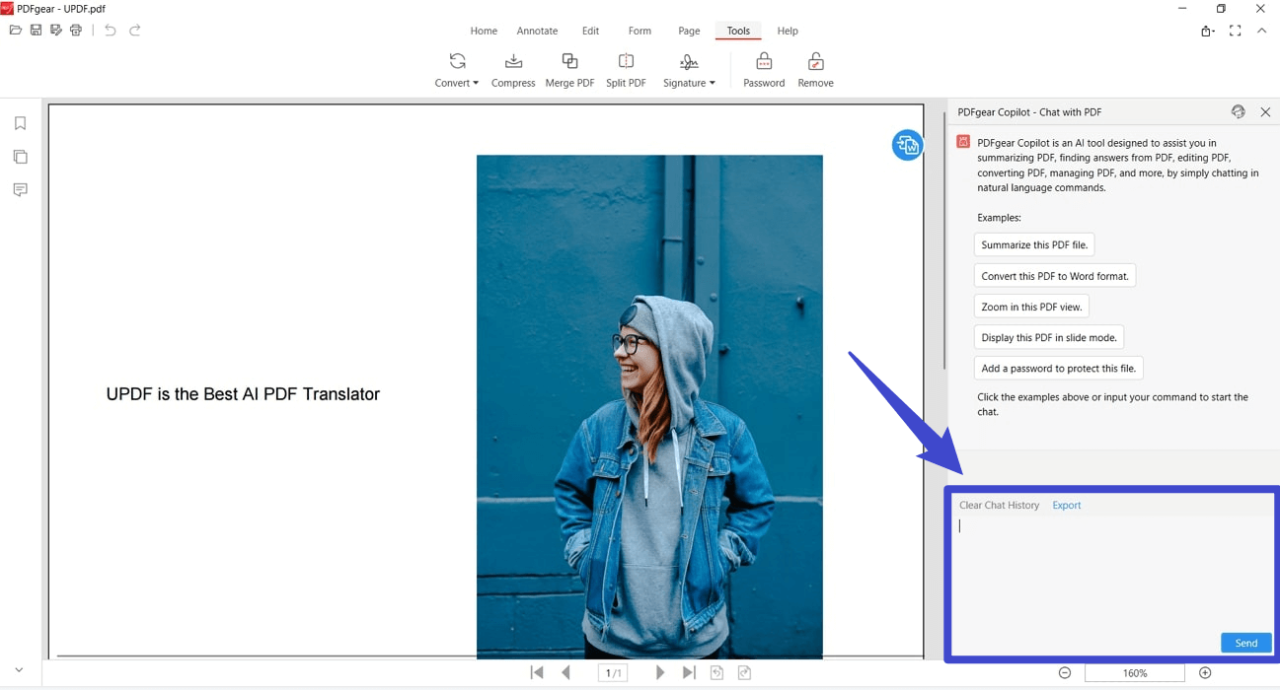
Accurate and comprehensive citations are fundamental to scholarly work, ensuring credibility, traceability, and proper acknowledgment of sources. While AI tools have significantly streamlined the process of extracting citations from PDFs, verifying their accuracy and completeness remains a critical step. Implementing AI-driven strategies not only minimizes errors but also enhances the reliability of the citations used in academic and professional contexts.AI technologies offer powerful methods for cross-referencing extracted citations with authoritative databases, automatically correcting common extraction errors, and supplementing incomplete citations.
These approaches improve the overall quality of bibliographic data, which is essential for maintaining integrity in research outputs and publications.
Verifying Extracted Citations Against Authoritative Sources
Ensuring that extracted citations match official records is vital for their validity. AI-assisted verification involves automatically cross-checking citation details, such as author names, publication titles, DOIs, and publication years, against trusted sources like CrossRef, PubMed, or library catalogues. This process typically employs natural language processing (NLP) algorithms and database APIs to compare extracted data with authoritative metadata.The verification process can be automated to flag discrepancies or potential inaccuracies, which then require manual review.
For instance, if an extracted citation lists an incorrect publication year or misspells an author’s name, AI can identify these inconsistencies by matching the data against external repositories, prompting researchers to correct or confirm the details.
Identifying and Correcting Common Extraction Errors
AI tools excel at detecting frequent errors that occur during citation extraction, such as misspellings, incomplete information, or formatting inconsistencies. These errors often arise from imperfect OCR scans or poorly structured PDFs.To address these issues, AI algorithms analyze extracted data for typical error patterns, such as missing article titles, incorrect volume or issue numbers, or misplaced punctuation. The system then suggests corrections based on patterns learned from large citation datasets.
For instance, if an extracted author’s name appears as “J. Smih,” the AI can suggest “J. Smith” based on context and database comparisons.Implementing machine learning models trained on vast bibliographic records enables the automatic correction of such errors, significantly reducing manual editing efforts and enhancing citation reliability.
Strategies for Augmenting Incomplete Citations Using AI Intelligence
Incomplete citations are a common challenge in PDF extraction, often lacking key details like publication dates, journal names, or page ranges. AI can effectively augment these gaps by leveraging contextual clues and external databases.One strategy involves utilizing AI to infer missing information based on available data points and context. For example, if a citation includes only the author and article title, AI can query external sources such as CrossRef or Google Scholar to retrieve comprehensive metadata, filling in missing fields.
This process can be further refined by training AI models to recognize typical citation structures and predict likely missing elements.Additionally, AI-powered citation augmentation can incorporate user feedback, learning from corrections over time to improve future extraction accuracy. This iterative process results in more complete and precise citations, supporting robust scholarly referencing.
Comparison Table: Manual vs. AI-Assisted Citation Verification
| Aspect | Manual Citation Verification | AI-Assisted Citation Verification |
|---|---|---|
| Time Consumption | High; requires significant researcher effort and time | Low; automates most comparison and validation processes |
| Accuracy | Variable; dependent on researcher expertise and diligence | Consistently high; reduces human error through automated cross-checking |
| Scalability | Limited; manual checks become cumbersome with large datasets | High; handles extensive bibliographies efficiently |
| Error Detection | Manual identification; prone to oversight | Automated detection of discrepancies and anomalies |
| Correction and Augmentation | Manual editing, time-consuming | Automated suggestions for corrections and metadata filling |
In summary, integrating AI into the citation verification process markedly enhances accuracy, reduces manual workload, and ensures that scholarly citations meet high standards of completeness and reliability. The combination of automated cross-referencing, error correction, and metadata augmentation forms a robust framework for maintaining citation integrity in digital research workflows.
Best practices for managing and exporting generated citations

Maintaining the integrity, organization, and usability of citations generated via AI tools is crucial for academic, research, and professional purposes. Proper management ensures that citations are accurate, easy to retrieve, and seamlessly integrated into documents or reference management systems. Exporting these citations effectively allows users to incorporate them into various platforms, ensuring consistency across different workflows. Adhering to best practices in managing and exporting citations enhances reliability, reduces errors, and streamlines the process of creating comprehensive bibliographies or reference lists.
Organizing citations into reference lists or bibliographies
Effective organization of citations is fundamental to producing clear and professional reference sections within documents. Proper categorization and formatting help maintain consistency, facilitate updates, and ensure compliance with specific style guides such as APA, MLA, or Chicago. When managing citations, consider utilizing dedicated reference management software, which allows for tagging, categorizing, and searching through citations efficiently.Key guidelines include:
- Consistently apply the chosen citation style throughout the document to avoid mixing formats.
- Group citations logically, such as by topic, author, or publication year, to facilitate easy navigation and updates.
- Use reference management tools to automatically generate and update reference lists, reducing manual errors.
- Regularly review the organized citations for completeness and accuracy before finalizing the document.
Options for exporting citations into document editors or reference management software
Seamless integration of citations into documents relies on compatible export options and workflows. Many AI citation extraction tools support exporting to common formats that are compatible with popular word processors and reference managers.Some widely used options include:
- Plain text formats (e.g., .txt, .rtf) for manual pasting into documents or software.
- RIS (Research Information Systems) files, which are compatible with most reference management programs such as EndNote, Zotero, and Mendeley.
- BibTeX files for LaTeX documents, enabling precise citation formatting within scientific papers.
- Direct export features within citation tools that allow users to send citations directly to integrated reference managers or word processors like Microsoft Word or Google Docs.
The workflow typically involves selecting the desired citations within the AI tool, choosing the export format suited for the target platform, and then importing or inserting the citations into the document or reference manager.
Procedures for maintaining citation integrity during document editing
Ensuring citation accuracy and consistency during editing phases is vital to preserving research credibility. During revisions, citations may need updates, reformatting, or reordering, which can introduce errors if not managed properly.Best practices include:
- Utilize reference management software to automatically update citations and reference lists when changes are made.
- Regularly synchronize citations between the AI extraction tool and the main document to prevent discrepancies.
- Maintain a version-controlled workflow, saving snapshots of the document before and after citation modifications.
- Validate each citation after editing to confirm that author names, publication years, and other details remain correct and formatted properly.
- Leverage plugins or add-ons for word processors that facilitate dynamic citation updates, reducing manual intervention.
An example procedure involves importing citations into a reference manager, inserting them into the document with a citation plugin, and updating the reference list automatically as edits occur, thus maintaining consistency and integrity throughout the editing process.
Export Formats, Compatible Tools, and Integration Workflows
To illustrate the various options available for exporting and integrating citations, the following table summarizes key formats, compatible tools, and typical workflows:
| Export Format | Compatible Tools | Integration Workflow |
|---|---|---|
| RIS (.ris) | EndNote, Zotero, Mendeley, RefWorks |
|
| BibTeX (.bib) | LaTeX editors (Overleaf, TeXShop), JabRef |
|
| Plain Text (.txt, .rtf) | Microsoft Word, Google Docs, Notepad++ |
|
| Direct Plugin Integration | Microsoft Word (via EndNote, Zotero, Mendeley plugins), Google Docs (via Add-ons) |
|
Limitations and challenges of AI-based citation extraction from PDFs
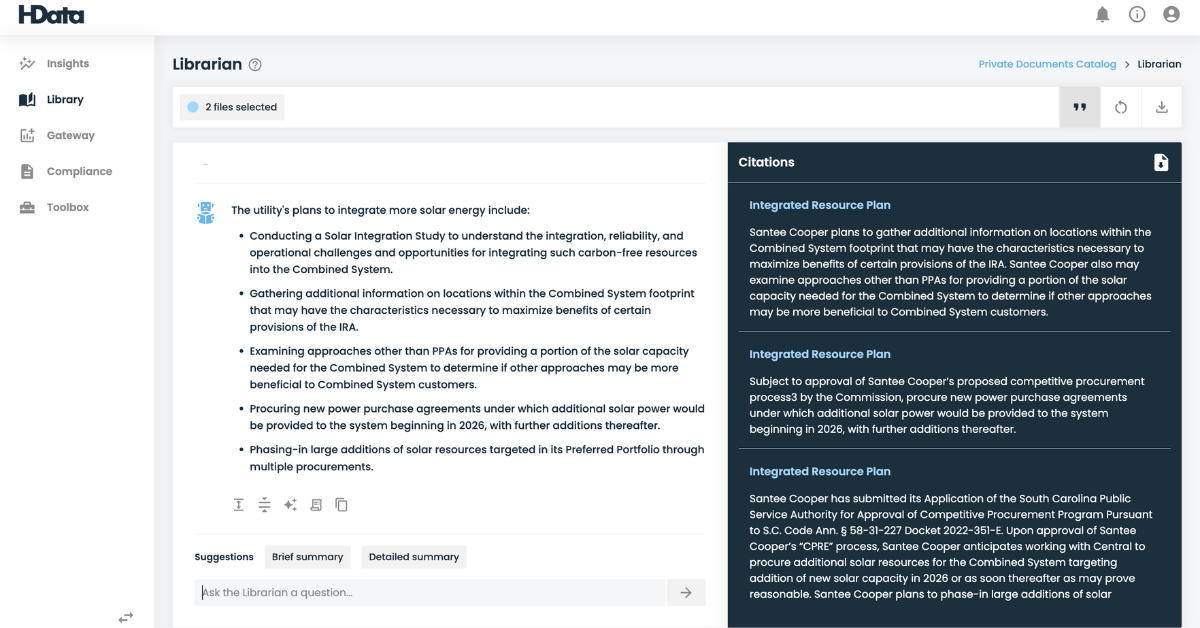
While AI has significantly advanced the process of extracting citations from PDF documents, there are inherent limitations and challenges that can impact accuracy and efficiency. Recognizing these obstacles is essential for optimizing citation extraction workflows and ensuring the reliability of the generated references. Despite ongoing technological improvements, understanding these issues helps users implement appropriate solutions and maintain rigorous oversight.
Many of the challenges stem from the diverse formatting styles, quality of source documents, and the nature of PDF files themselves. Addressing these limitations requires a combination of technical strategies and manual validation to achieve optimal results. It is crucial to appreciate that AI automation, while powerful, does not eliminate the need for user oversight, especially in complex or ambiguous cases.
Common issues in AI-based citation extraction and corresponding solutions
Below are the prevalent challenges faced during AI-driven citation extraction from PDFs, along with effective solutions to mitigate these issues:
- Formatting inconsistencies across documents: Variability in citation styles, layouts, and placement often confuses AI models, leading to incomplete or inaccurate extraction.
- Image-based PDFs or scanned documents: Text embedded within images poses a challenge since AI models require machine-readable text to perform extraction. Optical Character Recognition (OCR) is often necessary but may introduce errors.
- Poor quality or degraded source files: Low-resolution scans, smudges, or artifacts can hinder text recognition and extraction accuracy.
- Ambiguous or incomplete citation data: Citations lacking standard formatting or containing typographical errors can be misinterpreted by AI models.
- Multiple citation styles within a single document: Variations in citation formats can confuse AI models, requiring more sophisticated parsing techniques.
Solutions to address AI extraction limitations
Implementing targeted solutions enhances the reliability of citation extraction processes, especially in challenging scenarios:
- Pre-processing documents: Applying document cleaning techniques, such as removing watermarks or enhancing contrast, can improve text clarity and facilitate better AI recognition.
- Using OCR with high accuracy: Employing advanced OCR tools tailored for scientific and academic PDFs minimizes errors when converting image-based content into machine-readable text.
- Manual validation and correction: Post-extraction review allows users to verify and correct citations, ensuring data accuracy, particularly when dealing with inconsistent formats or degraded files.
- Standardizing citation formats: Encouraging authors to adhere to consistent citation styles and using AI models trained on diverse formatting schemas can reduce extraction errors.
- Implementing hybrid workflows: Combining AI automation with human oversight ensures high accuracy, especially in critical use cases such as academic publishing or legal referencing.
While AI-driven citation extraction offers remarkable efficiency, maintaining user oversight remains vital to handle ambiguous cases and uphold data integrity.
Future Developments in AI-Assisted Citation Generation
As the landscape of academic and professional research continues to evolve, so does the technology that supports accurate and efficient citation management. Upcoming innovations in AI are poised to revolutionize how we extract, format, and verify citations from PDFs, making scholarly workflows more seamless, accurate, and adaptable to complex document structures. These developments will empower researchers, librarians, and publishers to handle an increasing volume of diverse documents with greater confidence and speed.
Emerging trends indicate that future AI systems will incorporate more sophisticated techniques, such as enhanced optical character recognition (OCR), advanced semantic analysis, and context-aware algorithms. These advancements will address current limitations related to poorly formatted or scanned PDFs and will facilitate deeper understanding of textual and structural nuances within scholarly documents. As a result, the process of citation extraction will become more accurate, automated, and capable of handling increasingly complex materials.
Improved OCR Integration and Semantic Analysis
The integration of next-generation OCR technologies with AI-driven semantic analysis is set to significantly enhance citation extraction capabilities. Improved OCR will enable AI systems to accurately digitize text from scanned images or low-quality PDFs, ensuring that no citation data is lost due to poor formatting or image quality. Advanced semantic analysis will allow AI to comprehend contextual information, distinguishing between references, footnotes, and other textual elements, thereby reducing errors and increasing precision.
Enhanced OCR combined with semantic understanding will enable AI to recognize citations embedded within complex layouts, such as multi-column formats, tables, or figures, which are often challenging for traditional algorithms.
Handling Complex or Poorly Formatted PDFs
Future innovations will focus on developing AI models that are more resilient to irregular document structures, degraded image quality, and inconsistent formatting. Techniques like deep learning-based layout analysis and adaptive pattern recognition will allow AI to interpret a wide range of document types, including scanned historical archives, handwritten notes, and poorly scanned articles. This will expand the accessibility of citation extraction tools, ensuring that even legacy or low-quality documents can be integrated into scholarly workflows.
For example, AI could accurately extract citations from a historical journal scanned decades ago, where typography and formatting differ significantly from modern standards, thereby preserving valuable academic resources for contemporary use.
Impact on Scholarly and Professional Workflows
The adoption of these future developments will streamline scholarly research, peer review, and publishing processes. Automated, highly accurate citation extraction will reduce manual effort, minimize errors, and accelerate the publication cycle. Researchers will be able to focus more on analysis and interpretation rather than data curation. Additionally, integration with reference management systems will enable real-time citation updates, ensuring that bibliographies are always current and correctly formatted across multiple styles.
Ultimately, these innovations will facilitate more efficient knowledge dissemination, foster collaboration across disciplines, and support the integrity of scholarly communication.
Innovations in AI for Citation Management
Looking ahead, AI systems will likely incorporate more advanced natural language processing (NLP) techniques, such as deep contextual embeddings and machine learning models trained on diverse datasets. These enhancements will enable AI not only to extract citations but also to understand their relevance, reliability, and context within a document. For example, AI could automatically assess the credibility of sources or suggest related citations based on semantic similarity, providing a richer, more nuanced bibliographic landscape.
Furthermore, future AI tools may feature user-adaptive learning capabilities, where systems improve their accuracy over time based on user feedback and correction patterns, creating a more personalized and efficient citation management experience. This evolution will also support multilingual documents, ensuring global scholarly communities benefit from AI-powered citation tools regardless of language barriers.
Final Thoughts
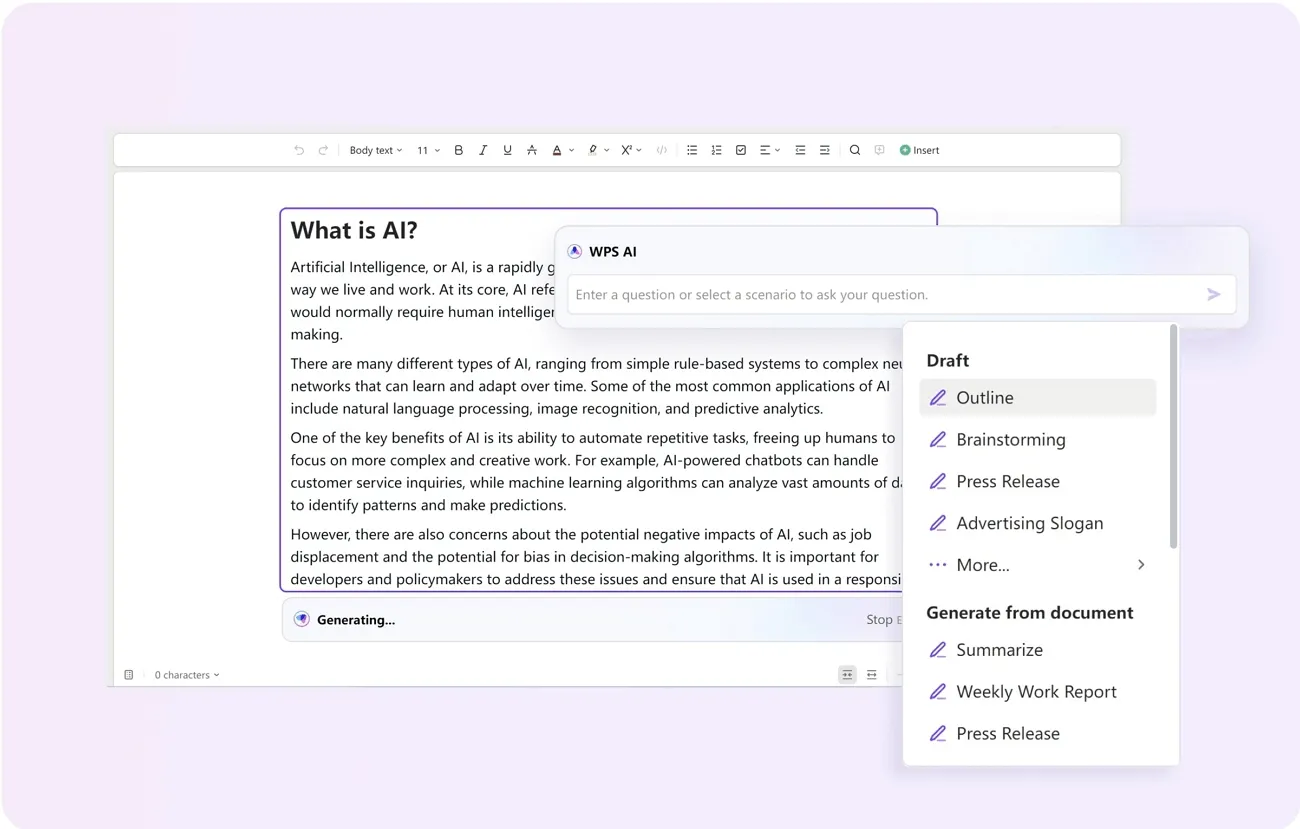
In conclusion, mastering how to generate citations from PDF with AI empowers users to optimize their referencing process with precision and ease. As AI technologies continue to advance, future developments will likely further simplify citation management, making scholarly work more efficient and accurate. Embracing these innovations ensures users stay ahead in the dynamic landscape of academic and professional writing.