Discover how integrating artificial intelligence into the review process of academic presentations can revolutionize evaluation standards. This approach offers innovative tools to assess clarity, structure, delivery, and content accuracy, making the review process more efficient and comprehensive. As AI technology advances, understanding its application in academic settings becomes essential for achieving precise and insightful feedback.
This guide explores the core functionalities of AI tools, steps to prepare presentations for analysis, methods for evaluating both content and delivery, and ways to leverage AI insights for improved feedback. Additionally, it considers ethical considerations and future trends, equipping educators and researchers with the knowledge to enhance their review practices seamlessly.
Overview of reviewing academic presentations with AI
Integrating artificial intelligence into the review process of academic presentations offers a transformative approach that enhances efficiency, accuracy, and objectivity. AI-powered tools are increasingly being adopted by educational institutions, research organizations, and conference committees to streamline evaluation, provide insightful feedback, and facilitate continuous improvement. This overview explores how AI can revolutionize the way academic presentations are assessed, highlighting the key benefits, functionalities, and practical steps for seamless integration into existing workflows.
Utilizing AI in the review process leverages advanced algorithms capable of analyzing various presentation components, from content quality to delivery style. This not only reduces the manual burden on reviewers but also introduces a standardized, unbiased perspective that can identify strengths and areas for improvement with greater precision. As AI technology evolves, it offers a comprehensive suite of features designed to support both evaluators and presenters, ultimately fostering a more constructive and data-driven review environment.
Potential benefits of utilizing AI in the review process
The adoption of AI tools in reviewing academic presentations provides several compelling advantages that enhance the overall evaluation experience:
- Increased Efficiency: AI automates time-consuming tasks such as transcribing speech, analyzing slide content, and scoring presentation segments, significantly reducing review turnaround times.
- Objective and Consistent Evaluation: Unlike human reviewers who may have subjective biases, AI offers standardized criteria enforcement, ensuring fairness and consistency across evaluations.
- Comprehensive Feedback: AI systems can identify specific strengths and weaknesses in multiple presentation aspects, including clarity, engagement, and technical accuracy, delivering detailed reports to presenters.
- Data-Driven Insights: Aggregated review data enables organizers to identify common issues and trends, informing targeted training and development initiatives for presenters.
- Enhanced Accessibility: AI tools can provide real-time subtitles, transcript generation, and language translation, making presentations more accessible to diverse audiences and reviewers.
Key features and functionalities AI tools can provide for evaluating presentations
AI-driven evaluation tools encompass a broad range of features designed to analyze various facets of academic presentations systematically. Understanding these functionalities ensures effective application and maximization of AI benefits:
| Feature | Description |
|---|---|
| Speech Recognition and Transcription | Converts spoken content into accurate text, facilitating review of language clarity and content accuracy. |
| Slide Content Analysis | Evaluates the coherence, relevance, and visual quality of slides using image recognition and natural language processing. |
| Delivery Style Assessment | Analyzes vocal tone, pace, gestures, and body language to gauge presentation engagement and confidence levels. |
| Timing and Pacing Analysis | Monitors the duration of each segment, ensuring adherence to allotted timeframes and balanced content delivery. |
| Engagement Metrics | Detects audience engagement cues, such as eye contact and facial expressions, through video analysis to evaluate presenter interaction. |
| Feedback Generation | Produces comprehensive reports highlighting strengths and improvement areas based on predefined scoring rubrics and machine learning insights. |
| Language and Content Quality Checks | Assesses spelling, grammar, jargon usage, and the logical flow of ideas within the presentation. |
Step-by-step guide to integrating AI into the review workflow
Implementing AI in the academic presentation review process involves strategic planning and careful integration to ensure effectiveness. The following steps delineate a practical approach:
- Define Evaluation Criteria: Establish clear, objective standards for presentation quality, including content relevance, delivery, visual aids, and engagement metrics.
- Select Appropriate AI Tools: Choose AI platforms tailored to academic presentation analysis, ensuring compatibility with existing systems and support for key features.
- Train the AI Systems: Provide datasets of past presentations and reviews to calibrate AI algorithms for specific institutional or disciplinary standards.
- Integrate with Submission Platforms: Embed AI tools within existing conference or academic portals to facilitate seamless data flow and real-time analysis.
- Conduct Pilot Testing: Run initial trials with a subset of presentations to evaluate AI performance, gather feedback, and make necessary adjustments.
- Establish Review Protocols: Develop workflows that incorporate AI-generated reports alongside human judgment, clarifying roles and responsibilities.
- Ensure Data Privacy and Ethics Compliance: Implement measures to protect sensitive information and adhere to ethical standards in AI usage and data handling.
- Train Reviewers and Presenters: Educate stakeholders on interpreting AI feedback and utilizing results to improve presentation skills.
- Monitor and Refine: Continuously track AI performance, update algorithms, and refine processes based on feedback and emerging technological advancements.
Preparing Academic Presentations for AI Review

Effective preparation of academic presentations is essential to facilitate accurate and insightful AI-based review processes. Proper formatting and organization ensure that AI tools can parse, analyze, and provide meaningful feedback on both textual and visual content. This stage involves meticulous structuring of presentation materials, including transcripts, slides, and visuals, to optimize compatibility and interpretability.
By adhering to specific guidelines and establishing a systematic process, presenters can significantly enhance the quality and efficiency of AI review sessions. Well-prepared materials not only reduce processing errors but also enable AI systems to deliver precise evaluations, identify key areas for improvement, and support the overall enhancement of academic communications.
Formatting Presentation Content for Effective AI Analysis
Ensuring presentation content is formatted appropriately is crucial for enabling AI tools to analyze the material comprehensively. This involves structuring text and visuals so that AI algorithms can easily interpret their meaning and context. The following best practices should be incorporated:
- Standardize Text Formatting: Use clear, legible fonts and consistent font sizes. Avoid cluttered slides with excessive text. Break long paragraphs into bullet points or concise statements to facilitate easier reading and parsing by AI systems.
- Use Structured Data Formats: When submitting transcripts, provide them in plain text files with clear labels indicating speaker turns, timestamps, and key points. This organization helps AI to accurately analyze speech content and identify emphasis or sentiment.
- Annotate Visuals: Clearly label images, diagrams, and charts within the slides. Include descriptions or alternative text that explains their purpose and key details, allowing AI to interpret visuals as part of the overall presentation narrative.
- Consistent Slide Layouts: Maintain uniform slide templates with consistent placement of titles, bullet points, and visuals. This consistency assists AI in recognizing structural patterns and extracting relevant information efficiently.
Guidelines for Extracting and Organizing Presentation Transcripts and Slides
Effective AI analysis depends on well-organized input data. Extracting transcripts and slides in a manner that preserves context and clarity enhances AI comprehension. The following guidelines facilitate this process:
- Complete Transcript Extraction: Record and export the entire spoken content of the presentation, including speaker annotations and timestamps. This accuracy enables AI to analyze speech patterns, identify key themes, and assess delivery quality.
- Segment Content Logically: Divide transcripts into logical sections aligned with presentation slides or topics. This segmentation allows AI to correlate spoken content with corresponding visuals, providing a cohesive review.
- Organize Slides Sequentially: Save slides in a sequential order matching the presentation flow. Include slide numbers and titles to assist AI in tracking progression and referencing specific sections during analysis.
- Maintain Consistent Naming Conventions: Use clear, descriptive filenames and metadata for transcripts and slides, such as “Presentation_Title_Date_SpeakerName.” This practice simplifies retrieval and cross-referencing.
Checklist for Compatibility of Presentation Materials with AI Review Tools
Before submitting materials for AI review, it is advisable to verify their compatibility through a comprehensive checklist. Doing so ensures that the AI tools can process the content without technical issues or misinterpretation:
| Item | Verification Criteria |
|---|---|
| File Formats | Use widely supported formats such as .txt, .pdf, .pptx, or .png for slides and transcripts. |
| Text Clarity | Ensure all text is legible, free of typos, and formatted consistently. |
| Visual Accessibility | Include descriptive alt text for images and diagrams, and ensure visuals are clear and high-resolution. |
| Transcript Accuracy | Verify that transcripts accurately reflect spoken content with correct timestamps and speaker labels. |
| Structural Consistency | Maintain uniform slide templates, logical segmentation of transcripts, and standardized naming conventions. |
| Metadata Inclusion | Embed relevant metadata such as presentation title, date, and presenter details. |
| File Size | Confirm that files do not exceed size limits imposed by AI review platforms to avoid upload failures. |
Adhering to these guidelines ensures seamless integration with AI review tools, leading to more accurate analysis and valuable feedback for academic presentations.
Using AI to evaluate presentation content
Leveraging artificial intelligence to assess academic presentations enhances objectivity, consistency, and depth in evaluation. AI tools can systematically analyze various aspects of a presentation, providing valuable insights into clarity, coherence, structural integrity, and informational accuracy. This process not only streamlines the review procedure but also helps presenters identify areas for improvement with data-driven feedback.
Implementing AI for content evaluation involves multiple procedures that examine linguistic features, logical flow, and factual correctness. These methods enable reviewers to perform comprehensive assessments efficiently, ensuring that academic presentations meet high standards of clarity, logical consistency, and informational accuracy. The following sections detail specific procedures and practical approaches for utilizing AI in these critical evaluation aspects.
Assessing clarity and coherence with AI linguistic analysis
- Utilize natural language processing (NLP) algorithms to analyze sentence structure, vocabulary complexity, and readability scores. These tools can identify overly complex or ambiguous statements that may hinder audience understanding.
- Apply AI-based coherence models to evaluate how well sentences and ideas connect, ensuring the presentation maintains a logical progression. Techniques such as semantic similarity and discourse analysis can reveal abrupt topic shifts or disjointed segments.
- Implement sentiment and tone analysis to confirm that the presentation’s language remains professional, confident, and appropriate for the academic context. This helps in maintaining a consistent and engaging narrative style.
Identifying logical flow and structural consistency with AI assistance
- Deploy AI algorithms that model the presentation’s Artikel, detecting whether sections follow a logical sequence aligned with the research question or hypothesis. This can be achieved through topic modeling and sequence analysis.
- Use structural analysis tools to verify the presence of key components such as introduction, methodology, results, and conclusion, ensuring all necessary elements are adequately addressed and ordered correctly.
- Leverage AI to generate visual representations of the presentation’s structure, highlighting potential gaps or inconsistencies in the flow, which can be invaluable for both self-review and peer assessments.
Analyzing depth and accuracy of academic information
- Apply specialized AI models trained on academic corpora to compare factual statements with verified sources, assessing the accuracy of data and references cited within the presentation.
- Use deep learning techniques to evaluate the complexity and depth of the content, ensuring the presentation demonstrates comprehensive understanding and critical analysis of the topic.
- Leverage AI to detect potential factual inconsistencies or outdated information by cross-referencing references with current literature databases, thereby maintaining the credibility and relevance of academic content.
Sample HTML table for evaluation criteria and scores
Below is an example of how evaluation criteria can be systematically organized using a structured table, enabling clear and consistent scoring for different aspects of the presentation.
| Criteria | Description | Score (1-5) | Comments |
|---|---|---|---|
| Clarity of Language | Assessment of sentence structure, vocabulary, and overall readability. | ||
| Logical Flow | Evaluation of the sequence and coherence of ideas and sections. | ||
| Structural Completeness | Presence and proper organization of introduction, methodology, results, and conclusion. | ||
| Accuracy of Content | Verification of factual correctness and data reliability. |
Assessing Presentation Delivery with AI

Evaluating the effectiveness of a speaker’s delivery is a crucial component of comprehensive presentation review. Leveraging AI technologies enables a more objective, consistent, and detailed analysis of various delivery aspects such as engagement, tone, and pacing. These insights help presenters identify strengths and areas for improvement, ultimately enhancing their communication skills and audience impact.
AI-driven assessment of presentation delivery involves sophisticated speech recognition algorithms that analyze vocal attributes, gestures, and speech patterns. This allows for the extraction of quantifiable metrics related to the speaker’s engagement level, vocal tone variations, and pacing consistency. By integrating these insights, presenters can refine their delivery style to better connect with their audience and maintain attention throughout their presentation.
Analyzing Speaker Engagement, Tone, and Pacing through AI-based Speech Recognition
AI systems utilize advanced speech recognition and natural language processing (NLP) technologies to evaluate key elements of a speaker’s delivery. These tools can detect changes in vocal amplitude, pitch, and speech rate, providing a detailed profile of the speaker’s engagement and emotional expressiveness. For instance, a rise in pitch may indicate enthusiasm, whereas monotony in tone might suggest disengagement. Similarly, analyzing pacing helps identify sections where the speaker rushes or drags, which can detract from clarity and audience comprehension.
Implementing machine learning models trained on large datasets of effective and ineffective presentations enables AI to benchmark a speaker’s performance against established standards. This comparison highlights specific moments where delivery may need adjustment and offers concrete data to support targeted coaching efforts. Such analysis can be visualized through graphs and heat maps, making it easier for speakers to interpret their performance metrics and focus on critical areas for improvement.
AI-Driven Feedback Mechanisms for Delivery Style Improvements
Real-time feedback mechanisms powered by AI facilitate immediate, actionable insights that help speakers adjust their delivery during practice sessions. These systems can alert speakers to issues such as excessive filler words, inconsistent pacing, or monotonous tone, allowing for quick corrections. The feedback is typically presented through visual dashboards or auditory prompts, ensuring that speakers remain engaged in refining their style without being overwhelmed.
Furthermore, AI can suggest specific exercises or techniques to enhance delivery, such as voice modulation drills or gesture reminders. By continuously analyzing performance data from practice recordings, the system can track progress over time, reinforcing positive changes and highlighting persistent challenges. This dynamic feedback loop accelerates skill development and builds confidence in delivering compelling presentations.
Effective use of AI for delivery assessment combines technological precision with personalized coaching, fostering improvements that are both measurable and sustainable.
Enhancing Feedback through AI Insights
Providing comprehensive, actionable feedback is essential for academic presenters aiming to improve their skills and presentation quality. AI-powered insights enable reviewers to generate detailed reports that not only highlight areas of strength but also identify specific weaknesses, thereby facilitating targeted improvements. By leveraging artificial intelligence, evaluators can move beyond generic comments and deliver nuanced, data-driven feedback that aligns closely with academic standards and expectations.This process involves utilizing AI’s natural language processing and analytical capabilities to analyze various facets of a presentation, including content accuracy, clarity, engagement level, and delivery style.
The resulting feedback reports serve as valuable tools for both students and educators, offering clear guidance on how to enhance future presentations.
Generating Detailed Review Reports Highlighting Strengths and Weaknesses
AI can systematically analyze presentation transcripts, slides, and delivery metrics to produce comprehensive review reports. These reports typically include sections such as:
- Strengths: Highlighting well-structured arguments, clarity of visuals, effective use of language, engagement techniques, and adherence to time limits.
- Weaknesses: Identifying areas like insufficient content depth, inconsistent pacing, problematic visual aids, or lack of audience interaction.
Such detailed insights are generated through algorithms that scan for specific s, assess speech fluency, evaluate slide transitions, and measure audience engagement indicators. For example, AI can detect if a presenter tends to rush through key points or uses overly complex language, providing concrete data for improvement.
Customizing AI Feedback to Align with Academic Standards
Academic presentations often require adherence to discipline-specific standards, which can vary widely across fields and institutions. Customizing AI feedback involves configuring algorithms to prioritize criteria such as rigor in argumentation for research-heavy fields or clarity and accessibility for pedagogical contexts.This customization can be achieved by integrating detailed rubrics into the AI system, which guides the analysis process. For instance, an AI system may be calibrated to evaluate citations and referencing accuracy in research presentations or to assess pedagogical clarity in teaching demonstrations.
Adjusting parameters ensures that feedback remains relevant and aligned with specific academic expectations, fostering more meaningful improvement.
Presenting Review Summaries Using HTML Tables or Blockquote Sections
Clear presentation of review summaries enhances their utility and readability. HTML tables are particularly effective for structured comparison, enabling easy visualization of strengths and weaknesses across different presentation aspects. Blockquote sections can be used for highlighting key recommendations or significant insights.An example of a review summary in an HTML table might include columns such as ‘Aspect’, ‘Strengths’, ‘Weaknesses’, and ‘Suggestions’.
For instance:
| Aspect | Strengths | Weaknesses | Suggestions |
|---|---|---|---|
| Content Clarity | Clear explanations of complex concepts | Some data lacked sufficient contextual background | Include brief background information for all data presented |
| Delivery | Confident tone and good pacing | Occasional filler words | Practice reducing filler and maintaining steady eye contact |
Alternatively, using blockquote sections can emphasize critical insights:
Key Insight: The presentation effectively engaged the audience but requires clearer visual aids to enhance comprehension of complex data. Prioritize simplifying graphics and annotating key points for better impact.
This structured approach ensures feedback is accessible, actionable, and tailored to the specific needs of academic presenters, fostering continuous improvement through AI-enhanced insights.
Ethical considerations and limitations
Integrating AI into the review of academic presentations offers numerous advantages, including increased efficiency and objectivity. However, it also necessitates careful attention to ethical principles and an understanding of current system limitations. Responsible use of AI ensures that scholarly integrity, fairness, and transparency are maintained, preventing potential misuse or biases that could influence academic evaluation processes.
While AI tools have advanced significantly, they are not infallible and face inherent limitations in assessing complex academic content and delivery nuances. Recognizing these constraints allows researchers and educators to implement complementary strategies, blending AI insights with human judgment to uphold the quality and accuracy of academic assessments.
Ethical guidelines for responsible AI use in academic review
Establishing clear ethical standards is essential for the responsible deployment of AI in evaluating academic presentations. These guidelines should emphasize transparency, fairness, accountability, and respect for privacy. Ensuring that AI systems are used as aids rather than sole arbiters maintains the integrity of scholarly evaluation processes.
- Transparency: Clearly communicate how AI tools are employed, including the criteria and algorithms used in assessments. Researchers and students should understand the basis of AI-generated feedback.
- Fairness and impartiality: Regularly audit AI systems to detect and mitigate biases related to gender, ethnicity, language proficiency, or academic background. Fair evaluations foster an equitable academic environment.
- Accountability: Maintain human oversight to verify AI findings, ensuring that final judgments consider contextual understanding. This prevents overreliance on automated evaluations.
- Privacy and data security: Ensure compliance with data protection regulations by anonymizing personal information and limiting data access, thereby safeguarding participants’ confidentiality.
Limitations of current AI systems in academic evaluation
Despite notable progress, AI systems still encounter significant challenges when evaluating complex academic content, especially in areas demanding nuanced understanding or contextual interpretation. These limitations can impact the accuracy and fairness of AI reviews, necessitating cautious application and supplemental human judgment.
- Understanding nuanced language: AI may struggle with interpreting subtle rhetorical devices, humor, or cultural references that are integral to effective presentations but difficult to quantify algorithmically.
- Assessing creativity and originality: Current models primarily evaluate formal correctness and coherence, but they are less capable of gauging the novelty or innovative aspects of academic work.
- Evaluating delivery quality: While speech recognition and prosody analysis can identify certain delivery features, AI often misses the emotional engagement and audience interaction that are vital components of presentation effectiveness.
- Bias and errors: AI systems trained on limited or biased datasets may perpetuate existing prejudices, leading to unfair assessments or overlooking unique perspectives.
Combining AI review with human judgment for accuracy
To maximize the benefits of AI while mitigating its shortcomings, integrating human expertise into the evaluation process is crucial. This hybrid approach ensures a comprehensive, fair, and accurate assessment of academic presentations.
- Human oversight: Review AI-generated feedback with trained evaluators who can interpret context-specific nuances, cultural factors, and emotional cues that AI might miss.
- Calibration and training: Regularly calibrate AI systems using human-reviewed samples to improve their accuracy and reduce biases over time.
- Transparency and communication: Clearly communicate the role of AI and human judgment to presenters, fostering trust and understanding of the evaluation process.
- Feedback loops: Implement iterative feedback mechanisms where humans review AI assessments, providing corrections and insights that refine the system’s future performance.
Incorporating these practices promotes ethical integrity, enhances review accuracy, and respects the multifaceted nature of academic presentations, ensuring AI serves as a valuable tool rather than a sole authority in scholarly evaluation.
Future trends in AI-assisted academic presentation review
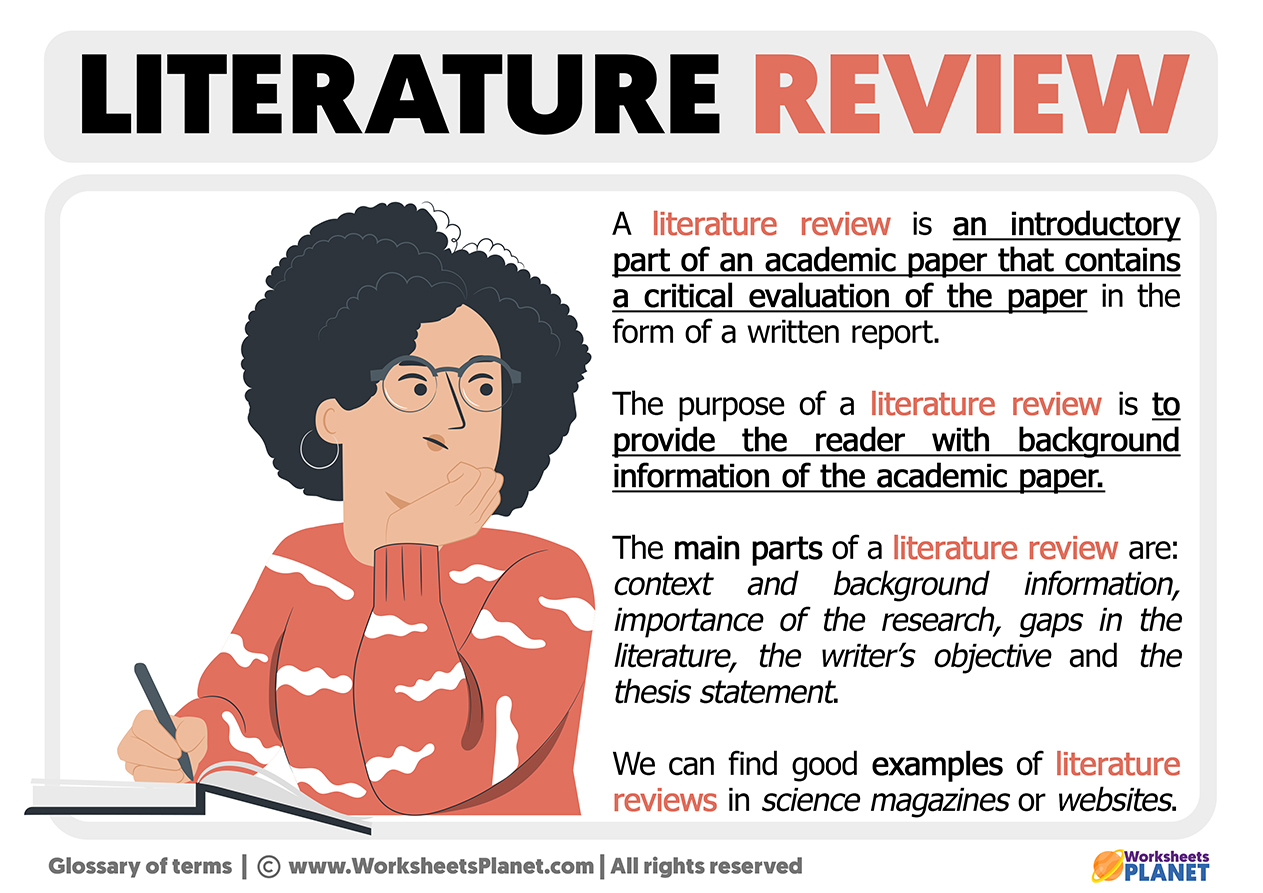
The landscape of AI-assisted review processes for academic presentations is rapidly evolving, driven by technological innovations and increasing demands for accuracy, efficiency, and objectivity. As emerging AI technologies continue to mature, they are poised to significantly transform how academic content is evaluated and how presentation skills are developed. This section explores anticipated advancements and their implications for future review practices, as well as ideas for developing sophisticated AI tools tailored specifically for academic review processes.
Emerging AI Technologies and Their Impact on Reviewing Academic Content
Advancements in artificial intelligence, particularly in natural language processing (NLP), computer vision, and machine learning, are set to revolutionize academic presentation review. The integration of these technologies will enhance the ability of AI systems to interpret complex academic language, analyze visual aids, and assess presentation coherence with unprecedented precision. For instance, multimodal AI models combining text, images, and speech analysis will enable a holistic evaluation of both content accuracy and presentation delivery.
Emerging AI innovations such as large language models (LLMs), like GPT-4, are already demonstrating capabilities to understand and critique complex academic language effectively. Future iterations will likely include domain-specific AI models trained on vast repositories of scholarly literature, enabling more nuanced and context-aware evaluations. Furthermore, advancements in real-time speech recognition and emotion detection will improve the assessment of presentation delivery, engagement levels, and speaker confidence, leading to more comprehensive review outcomes.
Predictions on How AI Will Shape Training and Improvement of Presentation Skills
The integration of AI into academic presentation training is expected to foster personalized, data-driven development pathways for researchers and students. AI-driven simulators will provide virtual rehearsal environments where presenters receive instant, detailed feedback on content clarity, pacing, tone, and body language. These tools will utilize machine learning algorithms to identify patterns of effective delivery, thereby facilitating targeted skill enhancement.
As AI systems accumulate data on successful presentation attributes, they will enable adaptive training programs that tailor recommendations to individual strengths and weaknesses. For example, AI could suggest specific exercises to improve public speaking confidence or recommend slides restructuring for better clarity. This individualized approach will accelerate the learning curve, ultimately resulting in more compelling and impactful academic presentations.
Ideas for Developing Advanced AI Tools for Academic Review Processes
Future development of AI tools should focus on creating comprehensive, domain-specific review platforms that seamlessly incorporate multiple evaluation dimensions. These tools would combine advanced NLP, computer vision, and emotional analysis to deliver in-depth, multifaceted assessments of academic presentations.
Potential features include:
- Enhanced Content Analysis: AI modules capable of verifying facts, evaluating logical coherence, and assessing novelty relative to existing literature, thereby supporting rigorous scholarly standards.
- Delivery Performance Metrics: Real-time feedback on speaking pace, intonation, gestures, and audience engagement, helping presenters refine their delivery style.
- Automated Recommendations: Personalized suggestions for improving slides, narrative flow, and visual aids based on successful examples within similar fields.
- Interactive Review Interfaces: Platforms integrating AI insights with human oversight, allowing reviewers to customize evaluation criteria and receive detailed, actionable reports.
Developing such advanced AI tools will require ongoing collaboration among AI researchers, domain experts, and educators to ensure that the systems remain accurate, ethical, and aligned with academic integrity standards. As these tools become more sophisticated, they will not only streamline review processes but also serve as invaluable training resources, ultimately elevating the quality of academic presentations across disciplines.
Epilogue

In summary, the integration of AI in reviewing academic presentations offers a powerful means to elevate evaluation quality and efficiency. By combining technological insights with human judgment, reviewers can provide more detailed and objective feedback, fostering continuous improvement in academic communication skills. Embracing these advancements paves the way for a more dynamic and precise review process.