Understanding how to analyze literature reviews with AI opens new horizons for researchers seeking deeper insights and efficiency. By leveraging advanced technologies, scholars can systematically evaluate vast amounts of scholarly work, identify key themes, and uncover emerging trends with greater precision. This integration of artificial intelligence into the review process not only enhances the accuracy of analysis but also accelerates the overall research workflow, making it an invaluable tool for modern academic endeavors.
Exploring methods such as natural language processing, thematic clustering, and data visualization, this guide provides a comprehensive overview of how AI can transform literature review analysis. From understanding fundamental components to practical application procedures and case studies, the content equips researchers with the knowledge to harness AI’s full potential in scholarly reviews.
Understanding the Fundamentals of Literature Reviews
Literature reviews are essential components of academic research, serving as comprehensive surveys of existing knowledge on a particular topic. They provide context, identify gaps, and establish the foundation upon which new research is built. Properly understanding their purpose and structure is crucial for conducting effective reviews that contribute meaningfully to scholarly discourse.
A well-structured literature review not only synthesizes relevant studies but also critically evaluates methodologies, findings, and theoretical frameworks. Recognizing these components enables researchers to organize their insights systematically, facilitating clarity and coherence in their scholarly work.
Components of a Literature Review
To develop a thorough understanding, it is important to examine the key components that constitute a comprehensive literature review. These elements work together to create a cohesive narrative that advances the research topic and highlights areas needing further exploration.
| Component | Description | Purpose | Examples |
|---|---|---|---|
| Introduction | Sets the context for the review, outlining the research question and scope. | Provides readers with an understanding of the review’s focus and its relevance. | Introducing the importance of renewable energy sources in climate change mitigation. |
| Literature Search Strategy | Details the methods used to identify relevant studies, such as databases and s. | Ensures transparency and reproducibility of the review process. | Using s like “machine learning in healthcare” across PubMed and IEEE databases. |
| Organized Thematic Sections | Sections grouped by themes, concepts, or methodologies relevant to the research question. | Facilitates logical navigation and synthesis of existing research. | One section focusing on “Efficacy of AI in Medical Diagnostics,” another on “Challenges in Data Privacy.” |
| Critical Analysis and Synthesis | Evaluation of methodologies, findings, and theoretical contributions of studies. | Identifies strengths, weaknesses, and gaps in current knowledge. | Comparing different AI models’ accuracy metrics or discussing conflicting results in studies on climate models. |
| Conclusion and Future Directions | Summarizes key insights, highlights research gaps, and suggests future research avenues. | Provides a clear roadmap for subsequent research efforts. | Noting the need for more longitudinal studies on AI’s impact on mental health diagnosis. |
Incorporating Artificial Intelligence in Literature Review Analysis
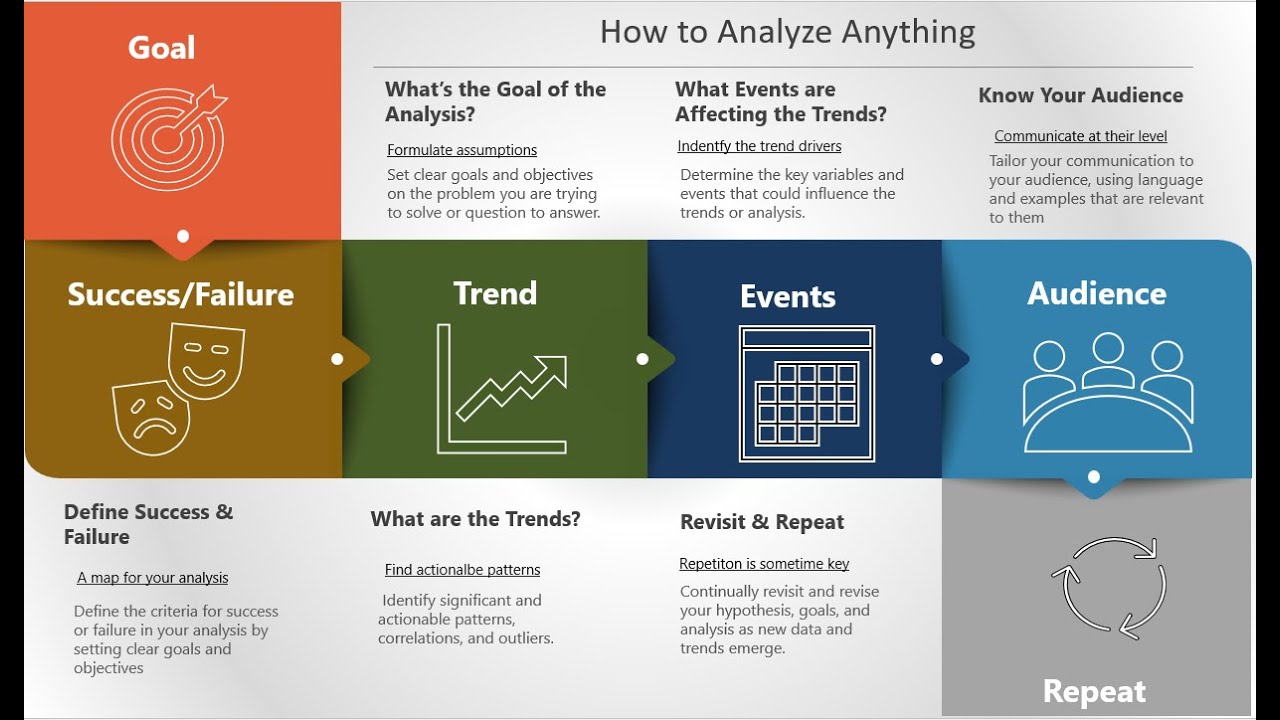
The integration of Artificial Intelligence (AI) into the analysis of literature reviews has revolutionized the way researchers and scholars interpret vast amounts of academic data. AI tools enhance efficiency, accuracy, and depth of understanding by automating complex analytical tasks that traditionally required extensive manual effort. Leveraging AI not only accelerates the review process but also uncovers nuanced insights, thematic connections, and emerging trends that might otherwise remain hidden.
By systematically applying AI algorithms to literature reviews, researchers can streamline tasks such as extraction, thematic clustering, and trend identification. These techniques facilitate a more comprehensive and objective analysis, enabling scholars to synthesize large datasets, monitor evolving research landscapes, and identify gaps or opportunities within a field. The following methods Artikel a structured approach to integrating AI tools effectively into literature review analysis, ensuring rigorous and insightful outcomes.
Methods for Integrating AI Algorithms in Literature Review Analysis
Effective incorporation of AI into literature reviews involves selecting the appropriate algorithms and tailoring them to specific research objectives. The key methods include automated extraction, thematic clustering, and trend identification. These techniques utilize natural language processing (NLP) and machine learning (ML) to analyze large volumes of textual data, facilitating faster and more comprehensive insights.
- Extraction: AI algorithms identify the most relevant terms and phrases within a corpus of literature. Techniques such as Term Frequency-Inverse Document Frequency (TF-IDF) and Named Entity Recognition (NER) help isolate significant s that reflect core concepts and research focuses.
- Thematic Clustering: Machine learning models, including unsupervised algorithms like k-means clustering or hierarchical clustering, group related documents based on thematic similarities. This process reveals prevalent topics and subfields, enabling researchers to visualize the thematic landscape of a research area.
- Trend Identification: Time-series analysis and predictive modeling applied to bibliometric data uncover evolving research trends. By analyzing publication volumes, citation patterns, and usage over time, AI detects shifts in research interests and emerging hotspots, guiding future investigation directions.
Step-by-Step Procedural for Applying AI Techniques in Review Analysis
This structured process ensures systematic and effective integration of AI tools into literature review analysis, facilitating comprehensive insights and reproducibility.
- Data Collection and Preparation: Gather a substantial corpus of relevant literature from databases such as PubMed, Scopus, or Web of Science. Clean the data by removing duplicates, irrelevant entries, and standardizing formats to ensure consistency.
- Text Preprocessing: Convert textual data into a machine-readable format. This involves tokenization, lemmatization, removing stop words, and normalizing text. Preprocessing enhances the accuracy of subsequent AI analysis.
- Extraction: Apply NLP algorithms such as TF-IDF or RAKE (Rapid Automatic Extraction) to identify prominent s and phrases within the corpus. These s serve as foundational elements for further analysis.
- Thematic Clustering: Use clustering algorithms like k-means, hierarchical clustering, or Latent Dirichlet Allocation (LDA) to organize documents into thematic groups based on their textual similarity. This step visualizes the thematic structure of the literature.
- Trend Analysis: Implement bibliometric analysis or time-series modeling to track the frequency and prominence of s, topics, or citations over time. Visualization tools like heat maps or trend graphs help interpret these dynamics effectively.
- Interpretation and Synthesis: Review the AI-generated clusters and trends to synthesize insights, identify research gaps, and formulate informed conclusions. Cross-reference AI findings with manual review for validation and context.
Techniques for Analyzing Literature Reviews with AI
Advancements in artificial intelligence have revolutionized the way researchers analyze literature reviews, enabling more efficient and insightful syntheses of vast amounts of scholarly data. Employing AI-driven techniques offers a comprehensive approach to extracting themes, identifying gaps, and visualizing complex relationships within vast literature datasets. These methods not only accelerate the review process but also enhance accuracy and depth of analysis, making them invaluable tools for modern researchers.
Among the most prominent AI-based methods are natural language processing (NLP), machine learning models, and data visualization techniques. Integrating these approaches allows for the systematic parsing of textual data, the classification of themes, and the generation of intuitive visual summaries. This section explores these techniques in detail, comparing traditional and AI-assisted analysis methods through an organized overview and illustrating how AI enhances the interpretative process of literature reviews.
Natural Language Processing (NLP) in Literature Review Analysis
NLP techniques enable machines to analyze and interpret human language within scholarly texts. They facilitate tasks such as extraction, sentiment analysis, and topic modeling, which are essential for identifying prevalent themes and patterns across multiple studies. By employing algorithms like tokenization, stemming, and named entity recognition, researchers can systematically process large volumes of literature, uncovering subtle relationships that may be overlooked in manual reviews.
For example, topic modeling algorithms such as Latent Dirichlet Allocation (LDA) can cluster research papers into thematic groups, revealing dominant research areas and their evolution over time. Additionally, sentiment analysis can gauge the general outlook or bias within literature on a specific subject. These NLP tools significantly reduce the time needed for manual coding and enable dynamic updates as new literature becomes available.
Machine Learning Models for Pattern Recognition and Classification
Machine learning (ML) models offer advanced capabilities for recognizing complex patterns within literature data. Supervised learning algorithms can classify studies based on predefined categories, such as research methodology, geographic focus, or theoretical framework. Unsupervised learning techniques help in discovering hidden structures or clusters without prior labeling, thereby revealing novel insights into the literature landscape.
For instance, support vector machines (SVM) or random forests can categorize research articles rapidly, providing a systematic overview of the field. Deep learning models, such as neural networks, are capable of handling high-dimensional data, enabling nuanced analysis of full-text documents. These models can also be trained to predict emerging trends or research gaps, guiding future investigations.
Data Visualization of Thematic Patterns
Data visualization plays a critical role in translating complex analytical results into accessible visual summaries. AI-powered visualization tools can generate thematic maps, network graphs, and heatmaps that illustrate relationships, clusters, and trends within literature datasets. These visual summaries facilitate quick comprehension of key patterns and support strategic decision-making in research planning.
For example, visualization of co-authorship networks can highlight collaborative clusters, while thematic heatmaps can display the intensity of research activity across different subfields. AI-enhanced visualization tools can automatically identify and depict evolving research themes, making it easier for researchers to identify areas of high activity or gaps requiring further exploration. Such visual summaries are invaluable for presenting findings to diverse audiences, including policymakers and interdisciplinary teams.
Comparison of Traditional versus AI-assisted Literature Review Analysis
To better understand the impact of AI techniques, it is essential to compare traditional manual analysis with AI-assisted methods. The table below summarizes the key differences:
| Method | Advantages | Limitations | Suitability |
|---|---|---|---|
| Traditional Review Analysis |
|
|
Suitable for small-scale reviews requiring detailed qualitative insights and nuanced interpretation. |
| AI-assisted Review Analysis |
|
|
Ideal for large-scale reviews, systematic analyses, and ongoing literature monitoring where speed and objectivity are priorities. |
Utilizing AI methods enables the extraction of thematic structures and relationships across vast literature corpora, which would be impractical through manual analysis alone. Moreover, AI-generated visual summaries assist in communicating complex findings efficiently, fostering better understanding and decision-making.
Generating Visual Summaries of Thematic Patterns
Visual summaries are integral to synthesizing and communicating insights derived from AI analysis. Techniques such as network graphs visualize relationships among research themes, co-authorship, and citation networks. Heatmaps illustrate the intensity and distribution of research activity over time or across subfields. Clustering algorithms, combined with dimensionality reduction techniques like t-SNE or PCA, produce visual representations of thematic groupings that reveal hidden patterns and evolution in the literature.
For example, a thematic network graph might display nodes representing key research topics connected by edges indicating shared citations or co-authorship, highlighting influential clusters and interdisciplinary links. Time-series visualizations can track the emergence or decline of specific themes, aiding researchers in identifying nascent trends or saturated areas. These visualizations facilitate not only comprehension but also strategic planning for future research directions, funding allocation, and collaboration opportunities.
Practical Procedures for Applying AI to Literature Reviews
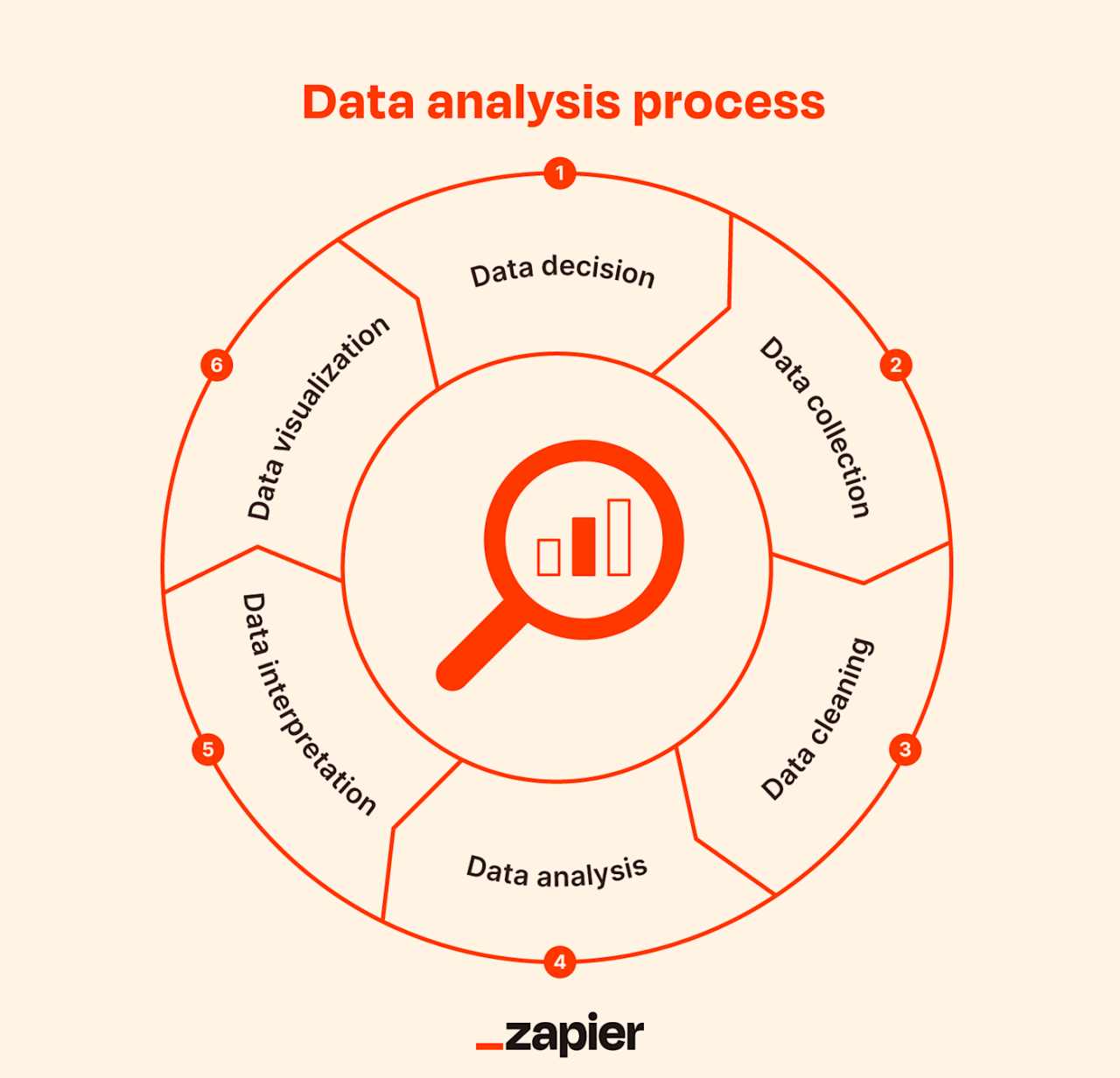
Effectively leveraging Artificial Intelligence in literature review analysis requires a structured approach to preparing datasets, selecting appropriate tools, and executing analysis procedures. These steps are critical to ensure accurate, efficient, and insightful outcomes from AI-driven methods.
Implementing AI in literature review analysis involves meticulous data preparation, strategic tool configuration, and systematic execution of analysis workflows. This process enhances the depth and breadth of insights gained and supports the identification of key themes, trends, and gaps within large bodies of academic literature.
Preparing Datasets from Literature Reviews for AI Analysis
Constructing high-quality datasets is fundamental to successful AI application. Proper data preparation ensures that the algorithms can accurately interpret and analyze the content, minimizing errors and maximizing relevance.
- Gather comprehensive literature review documents from diverse sources such as academic databases, digital libraries, and repositories. Convert these documents into machine-readable formats like plain text, PDF, or XML.
- Perform data cleaning to remove irrelevant information, such as advertisements, references, or formatting artifacts that do not contribute to content analysis. Use specialized tools or programming scripts to automate this process.
- Standardize formatting and structure across documents by consistent tokenization, sentence segmentation, and normalization of text (e.g., converting all text to lowercase, removing punctuation, and handling special characters).
- Annotate datasets where necessary, tagging sections like methodology, results, or themes to facilitate targeted analysis. This can be achieved through manual annotation or semi-automated tools that leverage natural language processing (NLP).
- Create metadata schemas to include contextual information such as publication year, authorship, s, and journal sources. This metadata supports more nuanced analytical insights.
Selecting and Configuring AI Tools for Content Analysis
The choice of AI tools hinges on the specific objectives of the literature review analysis, such as identifying themes, extracting key findings, or mapping research trends. Proper configuration of these tools ensures optimal performance and accurate results.
- Identify AI platforms and software suited for text analysis, such as natural language processing libraries (e.g., spaCy, NLTK), machine learning frameworks (e.g., scikit-learn, TensorFlow), or specialized literature review analysis tools (e.g., VOSviewer, NVivo with AI plugins).
- Assess the compatibility of these tools with your data formats and ensure they support necessary functionalities like extraction, clustering, sentiment analysis, and topic modeling.
- Configure parameters thoughtfully, including selecting appropriate algorithms (e.g., Latent Dirichlet Allocation for topic modeling), setting thresholds for similarity measures, and defining the scope of analysis (e.g., focusing on abstracts versus entire texts).
- Leverage pre-trained models or customize models based on the specific domain or research questions, enhancing accuracy in interpreting specialized terminology often found in academic literature.
- Test the tools with sample datasets to refine settings, ensuring the outputs align with the analytical objectives and that the system efficiently handles the volume of data involved.
Step-by-Step Procedures for Executing AI-Driven Analysis and Interpreting Results
Executing AI-driven literature review analysis is a systematic process that involves multiple stages, each designed to extract meaningful insights and facilitate decision-making.
- Load the prepared and cleaned datasets into the chosen AI analysis platform or software, ensuring data integrity and proper formatting.
- Configure analysis parameters based on the research goals, such as selecting the number of topics for modeling or defining clustering criteria.
- Run initial analyses, such as topic modeling or clustering algorithms, to identify recurring themes, research gaps, or influential studies within the dataset.
- Visualize results through tools like heat maps, network graphs, or word clouds to facilitate intuitive interpretation of complex relationships among themes or concepts.
- Review and validate the AI-generated outputs against known literature or expert knowledge to assess accuracy and relevance.
- Iterate the process by refining parameters or incorporating additional data to enhance the robustness of findings.
- Summarize key insights, noting dominant themes, emerging trends, and underexplored areas for future research directions.
Comprehensive interpretation of AI-generated results involves contextualizing findings within the broader research landscape, ensuring that insights lead to meaningful conclusions and actionable recommendations.
Examples and Case Studies of AI-Enabled Literature Review Analysis
Exploring real-world applications of artificial intelligence in literature review analysis provides valuable insights into its potential for enhancing research efficiency and accuracy. By examining successful case studies, researchers can understand practical methodologies, effective tools, and the impactful outcomes achieved through AI integration. These examples serve as benchmarks and inspire new approaches for leveraging technology in scholarly synthesis and review processes.
The following case studies illustrate diverse applications of AI in analyzing literature reviews across various disciplines. Each example highlights specific techniques, tools employed, and the significant insights gained, demonstrating how AI-driven analysis can transform traditional review methodologies into more systematic, comprehensive, and insightful processes.
Case Study: AI-Driven Meta-Analysis in Healthcare Research
Methodology
This case involved applying natural language processing (NLP) algorithms to automate the extraction of data from hundreds of healthcare research articles. A customized AI model was trained to identify relevant s, study outcomes, sample sizes, and methodological details. The AI system performed sentiment analysis and extracted quantitative data critical for meta-analysis.
Tools Used
- Python programming language with libraries such as spaCy and scikit-learn for NLP processing
- TensorFlow-based deep learning models for text classification and named entity recognition
- Custom-built software integrating AI modules for data extraction and synthesis
Insights Gained
The AI-enabled approach significantly accelerated the review process, reducing manual screening time by 70%. It identified emerging trends and consensus points across studies, providing a nuanced understanding of treatment efficacy. The case demonstrated AI’s capability to handle large datasets, improve accuracy, and uncover patterns that might be overlooked by manual methods.
Case Study: Automating Literature Synthesis in Environmental Sciences
Methodology
This study employed machine learning classifiers to categorize vast collections of environmental research articles into thematic clusters, such as climate change effects, pollution, and conservation strategies. Topic modeling algorithms like Latent Dirichlet Allocation (LDA) were used to identify dominant themes and trends within each category, facilitating comprehensive synthesis.
Tools Used
- R and Python programming environments
- Gensim library for topic modeling
- Custom dashboards for visualization of thematic clusters and trends
Insights Gained
The automated thematic analysis enabled the team to quickly identify research gaps and emerging topics, guiding future research directions. The systematic categorization improved the coherence of the literature review, and visualization tools enhanced clarity for stakeholders and policymakers.
Case Study: AI-Assisted Citation Network Analysis in Social Sciences
Methodology
This application utilized network analysis algorithms combined with AI techniques to map and analyze citation networks within social science literature. Machine learning models identified influential publications, collaboration patterns, and evolution of research topics over time. The AI system also predicted future research hotspots based on citation trajectories.
Tools Used
- Cytoscape for network visualization
- Python libraries such as NetworkX and scikit-learn
- Predictive modeling algorithms for trend forecasting
Insights Gained
The analysis revealed key nodes and influential authors shaping the field, along with emerging interdisciplinary collaborations. The predictive models offered foresight into future research directions, helping researchers prioritize promising areas for investigation and funding.
These case studies exemplify the transformative role of AI in literature review analysis. From accelerating data extraction to uncovering hidden patterns and forecasting research trends, AI tools enable more thorough, objective, and insightful reviews. As technology advances, such applications are poised to become integral components of scholarly research workflows across disciplines.
Conclusive Thoughts
In summary, mastering how to analyze literature reviews with AI empowers researchers to conduct more thorough, efficient, and insightful evaluations of existing knowledge. As technology continues to evolve, integrating AI tools into literature review processes will become increasingly essential for producing high-quality, impactful research. Embracing these innovative techniques paves the way for more informed, data-driven academic contributions in the future.