Discovering how to generate citations with AI opens new horizons for researchers, educators, and students seeking efficient and precise referencing solutions. As digital tools evolve, artificial intelligence offers innovative ways to streamline the complex process of citation creation, ensuring accuracy and consistency across diverse formats. Embracing these technologies not only accelerates research workflows but also enhances the integrity of scholarly work.
AI-powered citation tools support various citation styles such as APA, MLA, Chicago, and Harvard, providing users with flexible options tailored to their needs. By automating source data input, verification, and formatting, these tools empower users to focus more on their content while maintaining proper attribution. Whether integrating citations into documents or managing large reference lists, AI simplifies the entire referencing process with intuitive interfaces and advanced features.
Overview of AI in Citation Generation
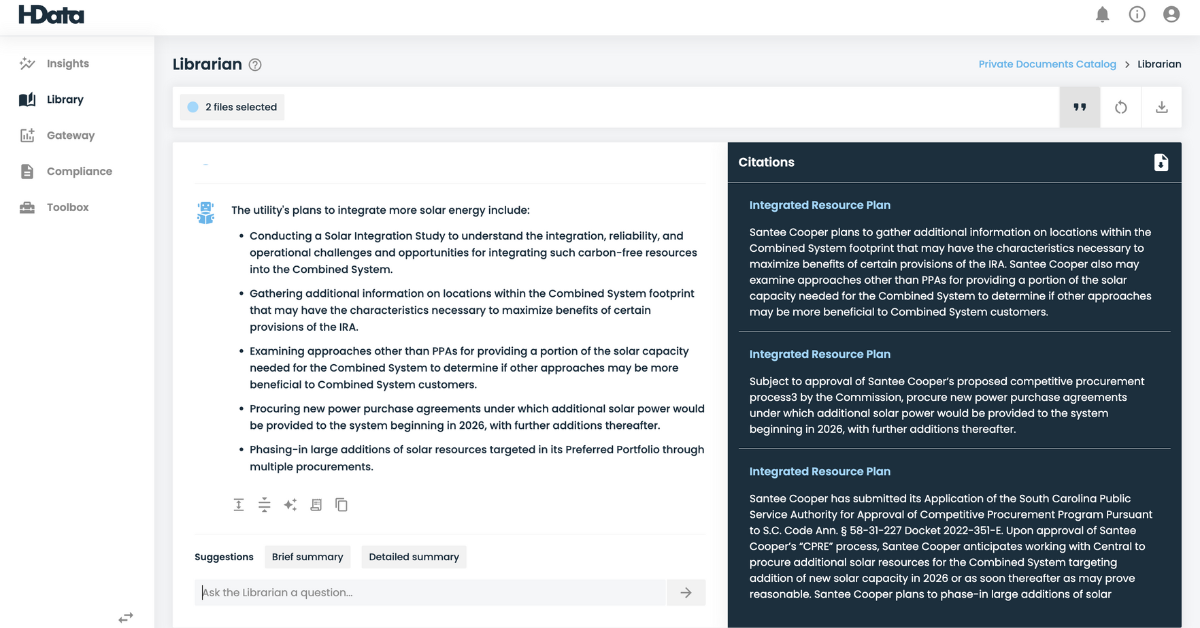
Artificial Intelligence (AI) has significantly transformed the landscape of academic and professional research by automating complex tasks such as citation generation. Traditionally, referencing sources required meticulous manual effort, often leading to inconsistencies and human error. The integration of AI into citation tools addresses these challenges by providing efficient, accurate, and reliable solutions for creating bibliographies across various formats and styles.
AI-driven citation generation tools utilize advanced algorithms and natural language processing to analyze source materials, extract pertinent bibliographic information, and format references according to specific style guides like APA, MLA, Chicago, and others. This automation not only reduces the time and effort researchers spend on formatting but also enhances the overall accuracy of citations, ensuring compliance with style rules and reducing the likelihood of citation errors.
Role of Artificial Intelligence in Automating Citation Creation
AI plays a crucial role in automating the entire process of citation creation by leveraging machine learning models trained on vast datasets of bibliographic information. These models can recognize and extract essential data points such as author names, publication dates, titles, journal names, and DOIs from source documents or web pages. Once extracted, AI tools automatically assemble these data points into properly formatted citations, tailored to the desired referencing style.
This automation extends to various sources, including academic articles, books, websites, and multimedia content. AI systems can handle diverse formats and structures, making them versatile tools for researchers working across disciplines. The ability to process unstructured data and convert it into structured, formatted references is a significant advancement facilitated by AI, enhancing both efficiency and precision.
Benefits of Using AI Tools for Generating Accurate Citations
Employing AI tools for citation generation offers numerous advantages that improve research workflows and scholarly communication. These benefits include:
- Enhanced Accuracy: AI minimizes human error by consistently adhering to style guidelines and accurately extracting source information.
- Time Efficiency: Automated citation generation significantly reduces the time spent on formatting, allowing researchers to focus on core research activities.
- Consistency Across References: AI ensures uniformity in citation style and formatting throughout the document, which is critical for professional and academic standards.
- Multi-format Support: AI tools typically support a variety of citation styles, enabling seamless switching between formats based on publication requirements.
- Ease of Use: User-friendly interfaces and integrations with research management software streamline the referencing process within existing workflows.
Streamlining Research Workflows with AI in Referencing
Incorporating AI-powered citation tools into research workflows can greatly enhance productivity and organization. Researchers can quickly import references from digital sources, verify the extracted data, and generate citations in real time. This integration simplifies managing large bibliographies, especially during extensive literature reviews or when preparing manuscripts for publication.
Moreover, AI tools often come with features like automatic updates to citation styles, integration with word processors, and synchronization with reference management platforms. These functionalities ensure that researchers maintain accurate and current references throughout their projects, thereby reducing the risk of misplaced or outdated citations and ensuring compliance with publisher or academic standards.
Types of Citations Supported by AI Tools
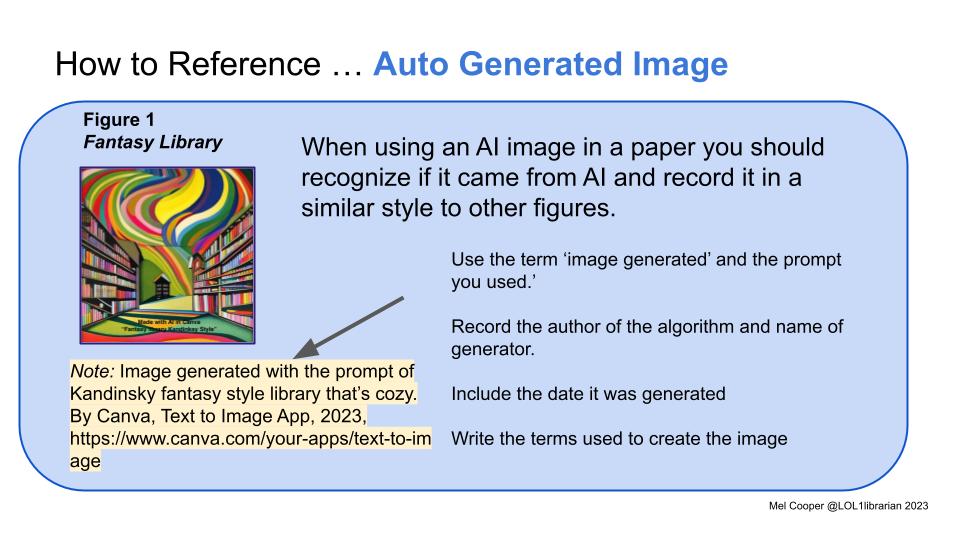
AI-powered citation generation tools have significantly streamlined the process of referencing scholarly and professional work by supporting a variety of citation styles. These tools are capable of accurately formatting references according to different academic and publishing standards, ensuring consistency and adherence to guidelines across diverse disciplines. Understanding the range of citation styles supported by AI platforms is essential for researchers, students, and writers aiming to produce credible and properly formatted documents.
Different citation styles serve specific fields and purposes, each with unique rules for author attribution, publication details, and formatting. AI tools typically accommodate these differences by offering customizable options, enabling users to select the appropriate style for their work effortlessly. This flexibility enhances the accuracy and professionalism of citations, saving valuable time and reducing manual errors.
Common Citation Styles and AI Capabilities
Below is an overview of the most frequently supported citation styles by AI tools, along with their distinctive features and the extent of AI’s capabilities to handle them efficiently.
| Style | Field of Use | Formatting Characteristics | AI Support Capabilities |
|---|---|---|---|
| APA (American Psychological Association) | Social sciences, Psychology, Education | Author-date in-text citations; References list with author, year, title, and source | AI tools can automatically generate citations incorporating recent editions and ensure correct in-text and reference list formatting according to APA standards. |
| MLA (Modern Language Association) | Humanities, Literature, Arts | Author-page in-text citations; Works Cited with detailed publication info | AI platforms support MLA formatting seamlessly, accurately handling author names, page numbers, and publication details for both in-text citations and bibliographies. |
| Chicago (Chicago Manual of Style) | History, Business, Publishing | Notes and bibliography or author-date systems; comprehensive references | AI tools excel at generating both systems, providing options for footnotes, endnotes, or author-year formats, with meticulous adherence to Chicago guidelines. |
| Harvard | Various academic disciplines, especially in the UK and Australia | Author-date citation; Reference list with detailed source info | AI systems facilitate Harvard-style citations by ensuring proper author attribution and chronological ordering, compatible with multiple institutional requirements. |
Choosing the appropriate citation style is made easier in AI platforms through intuitive interfaces that allow users to select from dropdown menus or preset templates. Many AI tools also provide real-time previews, enabling users to verify the formatting before finalizing their references. Advanced platforms incorporate contextual detection, suggesting styles based on document type or discipline, further simplifying the citation process.
Step-by-Step Procedures for Generating Citations with AI
Generating accurate citations with AI tools involves a structured approach that ensures the inclusion of complete and correct source information. This process not only streamlines academic and professional writing but also minimizes errors and saves valuable time. Familiarity with the step-by-step procedures enables users to leverage AI capabilities effectively, ensuring that citations are both precise and seamlessly integrated into their documents.
Engaging with AI-based citation tools requires a sequence of deliberate actions—from inputting source details correctly to verifying and editing the generated output. Incorporating these citations into documents or reference management systems further enhances workflow efficiency. The following detailed procedures serve as a comprehensive guide to maximize the benefits of AI in citation generation.
Inputting Source Information Accurately into AI Citation Tools
Accurate input of source data is fundamental to generating reliable citations. AI citation tools typically require the following key pieces of information, which should be provided carefully and systematically:
- Author Details: Full name(s) of the author(s) or organization responsible for the content. For multiple authors, ensure correct spelling and order.
- Title of the Work: Exact title of the article, book, report, or webpage, including subtitles if applicable.
- Publication Date: Year, and if available, month and day, to specify the publication date accurately.
- Source or Container: Name of the journal, publisher, website, or database hosting the content.
- Volume, Issue, and Page Numbers: For journal articles or periodicals, include volume, issue number, and page range.
- URL or DOI: The direct link or Digital Object Identifier (DOI) that leads to the source.
Most AI citation tools feature user-friendly interfaces where each of these fields can be entered separately, often with prompts or drop-down options to reduce errors. When sourcing information, it is recommended to verify the details from the original material or trusted databases to ensure accuracy.
Verifying and Editing Generated Citations for Accuracy
Although AI tools are highly efficient, their output may occasionally contain inaccuracies, incomplete information, or formatting issues. It is crucial to review and edit the generated citations meticulously to maintain scholarly integrity and adherence to style guidelines.
- Compare the generated citation against the original source to confirm the correctness of author names, titles, and publication details.
- Check formatting consistency according to the required citation style (e.g., APA, MLA, Chicago). Many AI tools offer style options; ensure the selected style matches your needs.
- Inspect for common errors such as missing italics, incorrect punctuation, or misplaced elements. Use style manuals or official guides for reference.
- Update any placeholders or default settings provided by the tool with specific details from the source to enhance precision.
“Verification and editing are essential steps that uphold the credibility and scholarly value of automated citations.”
For complex sources or unconventional materials, manual adjustments might be necessary. Employing a reference management software or style guide during this phase helps maintain consistency and accuracy.
Integrating Citations into Documents and Reference Managers
Effective integration of citations ensures they are properly embedded within your work and easily manageable for future revisions or sharing. AI tools often provide options for direct export or integration with reference management systems that facilitate this process.
- Copy and Paste: Manually copy the generated citation into your document, placing it at the appropriate location, such as within a bibliography or in-text citation.
- Export Files: Use export features to save citations in formats compatible with word processors or reference managers, such as RIS, BibTeX, or EndNote XML.
- Integration with Reference Management Software: Many AI citation tools support direct export to popular systems like Zotero, Mendeley, or EndNote. Connect your account and import citations seamlessly.
- Inserting Citations into Documents: Utilize the citation or reference insertion features of your word processor or reference management system to embed citations dynamically. This allows for automatic updates and consistent formatting across the document.
“Proper integration techniques not only streamline document preparation but also enhance collaboration and citation management efficiency.”
Incorporating citations correctly ensures that your document adheres to academic standards, and utilizing reference managers simplifies updates, formatting, and sharing of your work.
Methods for Inputting Source Data for Citation Generation
Accurate and comprehensive input of source data is essential for AI tools to generate precise citations. Proper data entry ensures that references adhere to the required citation styles and contain all necessary bibliographic details. Different formats and structured templates facilitate efficient data collection and minimize errors, leading to higher quality outputs from AI citation generators.
Utilizing structured formats such as JSON, CSV, or plain text allows users to organize source information systematically, making it easier for AI systems to parse and utilize the data effectively. Designing clear and user-friendly input forms or templates further streamlines this process, encouraging consistency and completeness in the data provided. Emphasizing the importance of complete and accurate source information helps users understand that high-quality input directly impacts the reliability and correctness of generated citations.
Structured Data Formats for Citation Input
Structured formats enable standardized data entry, reducing ambiguity and facilitating automated processing by AI tools. Common formats include:
| Format | Description | Advantages |
|---|---|---|
| JSON | A flexible, hierarchical data format ideal for representing complex bibliographic details. Example: | Easy to parse programmatically; supports nested information such as multiple authors or publication details. |
| CSV | Tabular format suitable for bulk data entry, with each row representing a source and columns for specific fields. | Simple to create and manage; compatible with spreadsheet software; efficient for batch processing. |
| Plain Text | Basic textual input with defined conventions, such as separated by delimiters (e.g., commas or tabs). | Highly accessible; minimal technical requirements; easy for manual entry. |
Each format serves different use cases: JSON for complex data, CSV for large datasets, and plain text for quick, manual input. Selecting the appropriate format depends on the volume of sources and the automation capabilities of the AI tool.
Designing Templates and Forms for Data Entry
Structured templates and forms guide users to input complete and consistent source information, minimizing errors that could compromise citation quality. These templates typically include fields such as author(s), title, publication date, publisher, volume, issue, page numbers, DOI, and URL.
Effective templates feature clearly labeled fields and optional prompts for additional details, ensuring users provide all relevant information. For example, an online form might present the following fields:
- Author(s): [Text Box]
- Title of Work: [Text Box]
- Publication Year: [Drop-down Menu or Text Box]
- Source Type: [Dropdown: Book, Journal Article, Website, etc.]
- Publisher/Journal: [Text Box]
- Volume/Issue: [Text Box]
- Page Range: [Text Box]
- DOI or URL: [Text Box]
This structured approach ensures data completeness and facilitates accurate citation output. Additionally, including validation features, such as mandatory fields and format checks, enhances data quality and reduces input errors.
Importance of Complete and Correct Source Information
The accuracy of AI-generated citations heavily depends on the quality of the input source data. Incomplete or incorrect details can lead to improper citations, misattributions, or style inconsistencies. For instance, missing author names or publication dates may cause the AI to generate incomplete references, affecting the credibility of scholarly work.
Providing comprehensive information—such as accurate author names, correct titles, precise publication years, and accessible URLs—ensures the AI system has sufficient context to produce precise and standardized citations. Moreover, verifying the source data before submission minimizes the need for manual corrections and enhances overall efficiency in research and academic writing processes.
Techniques for Customizing and Correcting AI-Generated Citations
While AI-powered citation tools significantly streamline the process of generating references, it is essential for users to understand how to personalize and refine these citations to meet specific stylistic and institutional standards. Proper customization ensures accuracy, consistency, and adherence to detailed formatting rules, which are often critical in academic and professional contexts.
In addition to manual editing, modern AI tools offer features that facilitate bulk processing of citations, allowing users to efficiently manage large reference lists. Recognizing and correcting common errors in auto-generated citations is also vital to maintain credibility and meet strict citation guidelines. This section explores practical techniques for tailoring AI-generated citations to your precise needs, enhancing both their correctness and presentation.
Editing Citations to Match Style Guides and Institutional Requirements
Customizing citations to align with specific style guides—such as APA, MLA, Chicago, or Harvard—requires precise adjustments in formatting details, including author names, publication dates, titles, and punctuation. Many AI tools provide built-in style templates; however, manual edits are often necessary for exceptional cases or institutional preferences.
- Review the generated citation thoroughly to identify discrepancies with the required style format.
- Adjust author names to match the preferred order and initials, ensuring consistency with the style guide.
- Modify the placement of publication dates, page numbers, and volume/issue details according to the specific rules of the targeted style.
- Ensure punctuation, italicization, and capitalization follow the style guide’s standards; for example, italics for journal titles in APA or quotation marks in MLA for articles.
- Utilize your citation management software’s editing features or manual editing within your document to implement these changes.
Maintaining consistent citation styles enhances the professionalism and credibility of your work, especially when submitting to academic institutions or publishers with strict formatting criteria.
Utilizing AI Features for Batch Processing of Multiple Citations
Handling large volumes of references efficiently is crucial in research projects, theses, or publications. Many AI citation tools now incorporate batch processing capabilities, enabling users to generate, edit, and export numerous citations simultaneously.
- Prepare a source list in a compatible input format, such as a CSV or Excel file, with all relevant bibliographic details.
- Use the AI tool’s batch upload or import feature to process multiple sources at once.
- Apply consistent formatting rules or style templates across the entire batch to ensure uniformity.
- Review the processed citations for any anomalies or formatting issues that may require manual correction.
- Export the finalized citations into your preferred document or reference management system for seamless integration.
This approach significantly reduces manual effort, enhances consistency, and accelerates the citation management process, especially for extensive bibliographies.
Identifying and Rectifying Common Errors in AI-Generated Citations
Despite their sophistication, AI citation generators can produce errors such as incorrect author attribution, missing information, or formatting inconsistencies. Recognizing these issues promptly is vital to uphold citation integrity.
- Verify author details: Cross-check author names, ensuring proper spelling, initials, and order, especially for names with multiple authors or hyphenations.
- Check publication information: Confirm that publication dates, journal names, volume, issue numbers, and page ranges are accurate and complete.
- Inspect formatting: Ensure that the citation style’s punctuation, italics, quotation marks, and capitalization are correctly applied.
- Use validation tools: Many citation managers and online validators can identify inconsistencies or missing elements and suggest corrections.
- Manual correction: When errors are detected, manually update the citation details within the AI tool or in your document to reflect accurate information and styling.
Regular validation and vigilant review of AI-generated citations safeguard against inaccuracies that could undermine the credibility of your research or publication.
Illustrations of AI Citation Tools and Their Features

AI-powered citation tools have revolutionized the way researchers, students, and academics generate and manage references. These tools integrate advanced technologies to facilitate quick, accurate, and customizable citation creation, streamlining the research process and ensuring adherence to various style guides.
Leading AI citation generators offer a rich array of functionalities designed to simplify the citation process, enhance user experience through intuitive interfaces, and provide advanced options for managing sources. Understanding these features helps users select tools best suited to their specific needs and enhances their ability to produce precise citations efficiently.
Functionalities of Leading AI-Powered Citation Generators
Modern AI citation generators come equipped with a diverse set of features that cater to both basic and complex citation needs. These functionalities include:
| Feature | Description |
|---|---|
| Source Import | Allows users to import source data directly from digital platforms, such as online journal databases, library catalogs, or digital repositories, minimizing manual data entry and reducing errors. |
| Style Switching | Enables seamless switching between citation styles like APA, MLA, Chicago, Harvard, and others, ensuring compliance with specific formatting guidelines without re-entering data. |
| Citation Editing | Provides options to manually refine or correct auto-generated citations, accommodating unique source details or correcting AI inaccuracies. |
| Multiple Source Management | Supports the organization and management of multiple sources within a project, allowing easy editing and categorization for large research endeavors. |
| Duplicate Detection | Detects and flags duplicate citations within a project, maintaining accuracy and preventing redundancy. |
| Batch Processing | Allows users to generate citations for multiple sources simultaneously, significantly saving time during extensive research projects. |
User Interface Designs for Easy Citation Creation
Intuitive user interfaces are crucial for maximizing the efficiency of AI citation tools. These interfaces are typically designed with clarity and simplicity in mind, with visual elements that guide users through the citation process effortlessly. Common UI features include:
- Clean Dashboards: Centralized panels displaying project sources, citation styles, and recent activities, enabling quick navigation and management.
- Source Input Forms: Structured forms with labeled fields for entering or importing source details, with options for autofill or manual entry.
- Drag-and-Drop Functionality: Facilitates easy import of files or sources by dragging them into the platform, streamlining the data input process.
- Preview Panels: Visual previews of generated citations before finalization, allowing users to review and make adjustments as needed.
- Style Menus: Dropdown menus or toggle buttons for selecting and switching citation styles instantly.
Designs prioritize minimalism, with clear icons and straightforward workflows that reduce learning curves for new users. These visual strategies help users focus on content rather than navigating complex software layouts.
Advanced Features: Source Import, Style Switching, and Citation Editing
Advanced functionalities elevate AI citation tools from basic generators to comprehensive reference management systems, addressing complex academic requirements:
- Source Import: This feature supports bulk import of references through various formats like RIS, BibTeX, EndNote, or direct API integrations, allowing users to rapidly populate their citation libraries. For instance, importing a batch of journal articles from a research database saves considerable time and minimizes manual entry errors.
- Style Switching: Citation styles are often deeply integrated within these tools, enabling users to switch formats on-the-fly without re-entering source data. For example, a researcher preparing a paper for a journal submission can toggle from APA to Chicago style in seconds, ensuring compliance with publication guidelines.
- Citation Editing: Although AI tools automate citation creation, manual editing features are critical. They allow users to correct or customize citations, especially when sources have incomplete or inconsistent metadata. An example includes adjusting author names, publication dates, or page numbers to match specific citation requirements or personal preferences.
Advanced features like source import, style switching, and citation editing provide flexibility and control, ensuring that generated references meet precise academic standards and individual needs.
Best Practices for Using AI to Generate Citations

Utilizing AI tools for citation generation can significantly streamline academic and professional writing processes. However, to ensure the outputs are accurate, reliable, and ethically sound, it is essential to adopt best practices that promote consistency and correctness. These guidelines help users maximize the advantages of AI while minimizing potential pitfalls related to errors or misrepresentation.
Implementing structured strategies for verifying and customizing AI-generated citations fosters trustworthiness and aligns citations with official standards. Additionally, recognizing the ethical responsibilities involved in source verification underscores the importance of critical engagement with AI outputs to uphold academic integrity.
Strategies for Ensuring Citation Accuracy and Consistency
Accuracy and consistency are vital when integrating AI-generated citations into scholarly work. The following strategies support maintaining high standards of citation quality:
- Regularly compare AI-generated citations with official style manuals such as APA, MLA, Chicago, or IEEE to detect discrepancies and ensure adherence to specific formatting rules.
- Establish a standardized checklist or rubric for citation review, including verification of author names, publication dates, titles, and page numbers, to create a uniform quality control process.
- Use multiple AI tools or sources to cross-verify critical details, especially when citing complex or less common sources, to avoid propagation of errors.
- Maintain an updated repository of style guide excerpts or reference templates that can be quickly consulted during citation review, ensuring rapid verification and consistency across projects.
- Document any modifications made to AI-generated citations, creating a clear audit trail that supports transparency and reproducibility in scholarly work.
Strategies for Cross-Verification with Official Style Manuals
While AI tools are highly effective, manual verification against authoritative style guides remains essential. The following strategies facilitate effective cross-checking:
- Refer directly to the latest editions of style manuals to confirm formatting nuances such as punctuation, italics, capitalization, and order of citation elements.
- Compare each component of the AI-generated citation—such as author names, publication year, journal titles, and page numbers—against the official manual to identify inconsistencies.
- Utilize official online style resources or publisher-specific guidelines when available, as these often contain updated or case-specific instructions.
- Develop a comparison worksheet or checklist that aligns AI output with style manual requirements, streamlining the verification process and reducing oversight risks.
- Engage peer review or collaboration with colleagues to validate citation accuracy, especially in multi-authored or interdisciplinary contexts where style variations may occur.
Ethical Considerations and Source Verification
Ethical integrity in citation practices is foundational to credible scholarship. When using AI tools, the responsibility extends beyond mere accuracy to encompass source verification and ethical use.
- Always verify the authenticity of sources cited by AI to prevent the inadvertent propagation of false or misrepresented information. AI may sometimes generate plausible-sounding citations that do not correspond to real sources.
- Recognize the potential for AI to oversimplify or omit critical citation details, which could undermine the scholarly rigor or mislead readers.
- Ensure proper attribution by confirming that all sources are legitimate, accessible, and appropriately credit original authors, thereby respecting intellectual property rights.
- Incorporate a critical review process where the researcher personally examines each source referenced, fostering a deeper understanding and responsibility for the material cited.
- Adopt transparent practices by documenting the use of AI tools in the citation process, including noting how AI contributed to citation generation and verification, to uphold transparency and academic honesty.
Future Developments in AI Citation Generation
The landscape of AI-driven citation generation continues to evolve rapidly, driven by advancements in technology that aim to enhance accuracy, efficiency, and integration within research workflows. Emerging innovations promise to transform how researchers and students manage references, making citation processes more seamless and reliable. As AI systems become more sophisticated, the potential for automating complex citation tasks and integrating them into broader research platforms is on the rise, promising a future where citation management is an intuitive, integral part of scholarly work.
Future developments are expected to focus on improving AI’s understanding of diverse source types and formats, ensuring that citations can be generated accurately across an expanding array of media, languages, and document structures. Innovations in this domain will not only streamline academic writing but also bolster the credibility and reproducibility of research outputs. The following Artikels key areas where AI citation generation is poised for significant progress.
Emerging Technologies Enhancing Citation Automation
New and evolving technologies are set to revolutionize how AI handles citation tasks, emphasizing increased automation, contextual understanding, and real-time collaboration. These include:
- Natural Language Processing (NLP) Advancements: Improvements in NLP enable AI to better interpret the semantics of source materials, such as extracting citations from complex or poorly formatted texts, including handwritten notes or multimedia content. This progress allows AI to understand nuanced source details, like author intent or publication context, leading to more accurate citations.
- Machine Learning (ML) and Deep Learning: Enhanced ML models facilitate learning from vast datasets of citation styles and source formats, enabling AI to adapt quickly to new citation standards or unique source types. For instance, AI can now recognize and cite unconventional sources like social media posts, audio recordings, or datasets with minimal human input.
- Semantic Web and Linked Data: Integration with semantic web technologies allows AI to access interconnected data sources, ensuring more comprehensive and precise source identification. This connectivity enables AI to automatically retrieve metadata, authorship details, and publication information from linked databases such as CrossRef, PubMed, or institutional repositories.
Potential Improvements in AI Understanding of Complex Source Types and Formats
As the volume and diversity of digital sources grow, AI citation tools are expected to develop deeper contextual comprehension to handle complex and non-traditional sources effectively. Key areas of improvement include:
- Multi-Format Source Recognition: AI will increasingly distinguish and correctly cite sources across formats such as videos, podcasts, social media, code repositories, and datasets. For example, correctly citing a YouTube video with timestamped segments or a GitHub repository with specific commit references.
- Multilingual and Cross-Cultural Sources: Enhancements in multilingual NLP will allow AI to accurately parse and cite sources in multiple languages, including non-Latin scripts, thereby supporting global research efforts. This is especially relevant for international journals and multi-lingual academic communities.
- Handling Ambiguous or Incomplete Data: Future AI systems will better estimate missing metadata based on context, such as inferring publication year or author names from partial information, reducing manual corrections needed by users.
- Recognition of Creative and Non-Traditional Works: The AI will expand its capacity to cite creative works like artworks, patents, or virtual artifacts, using evolving standards and metadata extraction techniques.
Innovations for Seamless Integration into Research Platforms
The integration of AI citation generators directly into research environments will be a key trend, fostering more efficient workflows. Notable innovations include:
| Integration Features | Impacts and Benefits |
|---|---|
| Embedded Citation Assistants | Real-time citation suggestions within word processors, reference managers, and data analysis platforms, eliminating the need for switching between tools and reducing errors. |
| API Accessibility | Enabling research platforms, digital libraries, and institutional repositories to incorporate AI citation capabilities seamlessly, promoting consistency across scholarly outputs. |
| Cloud-Based Collaboration Tools | Facilitating team-based citation management, where multiple researchers can collaboratively generate, review, and modify citations within shared research environments. |
| Automated Workflow Integration | Embedding citation generation into research workflows such as data collection, literature review, and manuscript submission processes, streamlining all stages of scholarly work. |
Innovative platforms are also exploring AI-driven contextual suggestions, where citation styles adapt dynamically based on target publication guidelines, further reducing manual formatting efforts and ensuring compliance with diverse standards.
Ending Remarks

In conclusion, leveraging AI for citation generation represents a significant step forward in research efficiency and accuracy. As technology continues to advance, future innovations promise even more seamless integrations, better understanding of diverse source types, and smarter automation. Embracing these developments ensures that researchers and students stay ahead in maintaining reliable and professional referencing standards.